search
date/time
 | Cumbria Times A Voice of the Free Press |
1:00 AM 10th November 2025
frontpage
Almost Half Of Parents Feel Self-Conscious Playing Imaginary Games With Their Kids, According To A New Study
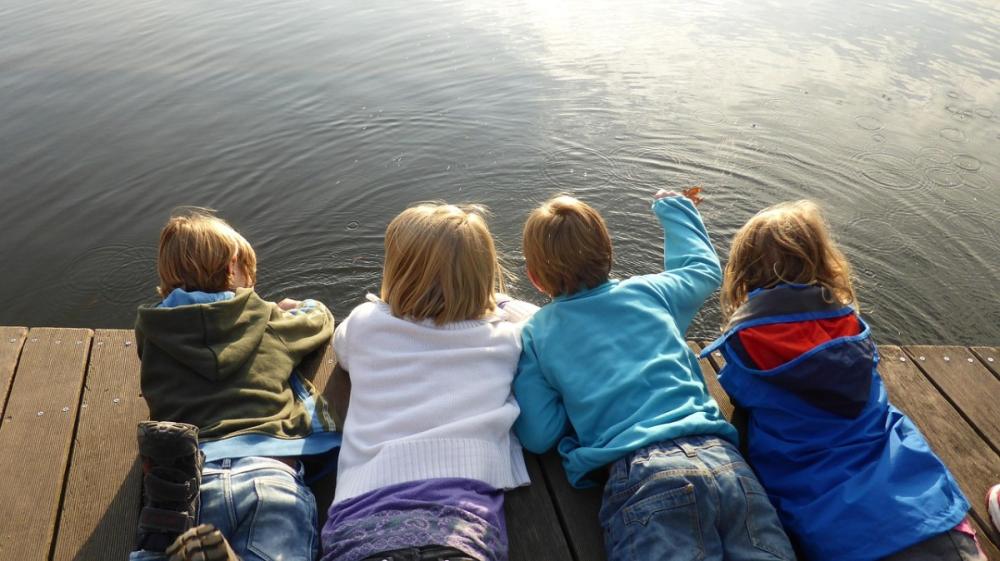
Image by Esther Merbt from Pixabay
Among the things self-conscious parents dread the most, were doing funny voices at bedtime (17%), doing dances (19%), dressing up (21%) – and even playing hide and seek (as many as 14% feel silly doing this).
And the cringe factor is so bad, that 43% have rejected their kid’s request to play with them, because the game required some imagination.
In fact, as many as 73% of parents would far rather play a board game or card game, than have to make up characters and do “voices”, according to the poll by the makers of kids TV show, PAW Patrol.
Overall, 54% of the 2,000 parents surveyed claim they struggle to put themselves into a childlike frame of mind, while 55% feel envious of parents who are naturally creative and confident in their play style.
Despite feeling inhibited, 61% say their kids are happier when they play, and 59% feel closer to their kids after spending time with them, on their child’s terms.
Gen Z and Millennial mums and dads (51%) are most likely to feel uncomfortable when it comes to playing with their children.
Worrying about not doing it properly (38%), struggling to find your inner child (28%), panicking that you look stupid (26%) and worrying that the children will think you’re silly (23%) are other reasons for feeling uncomfortable.
One in five (21%) mum and dads have even disappeared on sports day to dodge the dreaded parents’ race, while 16 percent will be doing anything to avoid knocking on doors trick or treating this Halloween.
A spokesperson for PAW Patrol, which commissioned the study, said: "The research shows that mums and dads of all ages are struggling to find their inner child and missing out on valuable playing time with their little ones.
“However, parents don’t need to be experts in role play - they just need to show up, and the new PAW Patrol Fire Rescue range provides a ready-made world of adventure where kids can take the lead, inviting parents to join them in re-enacting daring rescue missions inspired by the show.”
According to Clinical Psychologist and parenting expert, Dr Martha Deiros Collado: “Once adult brains mature we lose the fluidity of entering imaginary worlds with ease, time for play is unfamiliar, and creativity can feel harder to access in the daily monotony of work and home life.
“This is one of the main reasons parents struggle to connect with their playful side, not because they doubt its value, but because it evokes emotional and social discomfort: embarrassment, awkwardness, and self-consciousness.”
More than half (54%) admit they compare themselves to other parents in the playground and online, leading two thirds (66 percent) to confess they have been struck down with parental guilt.
Fear of “getting it wrong” or being judged by your own child can lead to avoidance. But the benefits of shared play are profound: it builds trust, strengthens bonds, and creates lasting memories Here are Dr Martha’s 3 tips to help you reconnect with your playful side and meet your child where they are:
1. Reframe play as connection, not performance
A small shift can help you feel more comfortable with play. Rather than think, “I have to entertain”, say to yourself: “I get to connect with my child” Children don’t judge your acting skills, they don’t care what you look like. All they crave is your presence.
2. Normalise the cringe
Embrace the awkwardness. Laugh at yourself while you put on a fancy dress costume or make a funny voice. And if your child shouts, “you are not doing it right!” take it as an opportunity to model resilience and openness in play. Giggle off your ‘error’, put your child in a leadership position and say to them, “okay you show me. How do I do this?”
3. Let your child lead
You don’t need to invent elaborate scenarios, or ‘get better at playing’. Kids are masters at play, so just follow your child’s cues and imagination. When you let them direct the play, it takes pressure off you and makes the experience more authentic.
Remember that play isn’t just fun. It’s how children learn empathy, problem-solving, and emotional regulation. When parents join in, they model these skills too.
61% say their children are happier when they play together, with 59% of parents admitting they feel closer to their littles ones when they play with them.