



search
date/time

Sun, 1:00AM
clear sky
5.7°C
4mph
clear sky
5.7°C
4mph
 | Sunrise | 6:42AM |
| Sunset | 5:09PM |  |
P.ublished 17th October 2026
lifestyle
‘Be Prepared’: Cumbrian Vet Shares Advice For Keeping Pets Calm During Fireworks Season
“Every year pets are injured and go missing when they have been terrified by fireworks,” said Graham Lewis, small animal vet at Paragon Veterinary Group based at Dalston near Carlisle.
“It’s not just one day of the year. Nowadays fireworks are let off over an extended period.
“Many pets become stressed and a lot of owners worry about this time of the year, so it can be difficult for people and animals alike.”
Fireworks can produce sounds between 120 and 175 decibels, with noise above 140 dB capable of causing pain and hearing damage, according to the RSPCA.
“There are a number of things we can do to help and being prepared is key,” said Graham.
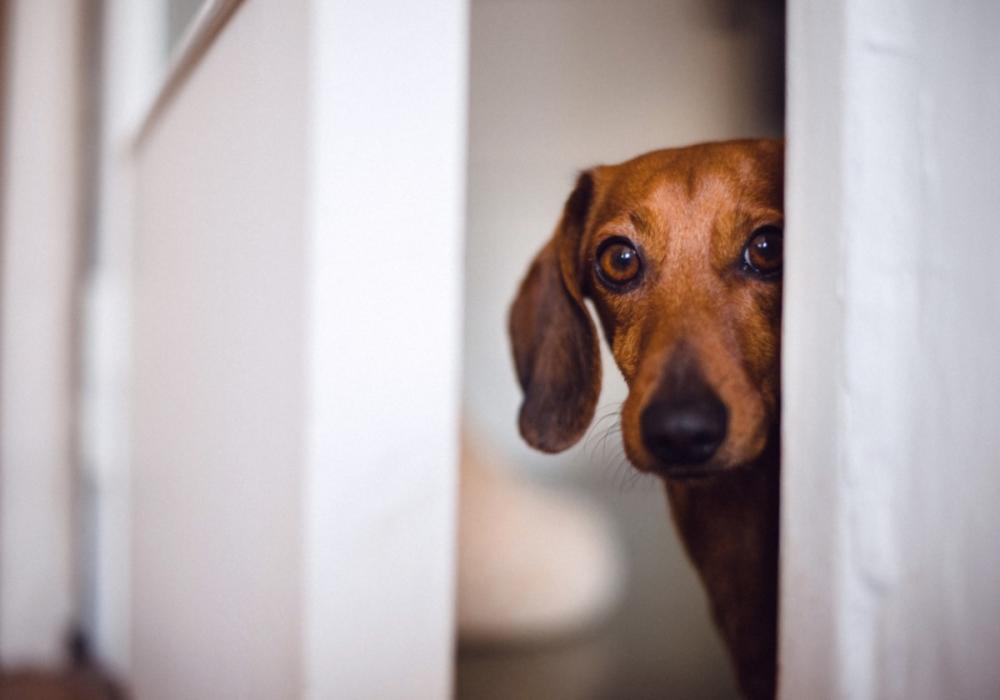
Nervous dog Image Courtesy of Paragon Veterinary Group
“Check that your pet’s microchip is registered with your most up-to-date contact details just in case they are startled when they are outdoors and run away.
“In the evening, close the windows, draw curtains and put on music or turn on the TV to muffle the sound of fireworks.
“Bear in mind that pets will be aware of the colder, longer nights of autumn and may be in a heightened state of anxiety prior to the first fireworks even being lit as they anticipate what’s coming.
“It’s a good idea to speak to your vet well before fireworks begin, to discuss what might be the best options for your pet,” said Graham.
Special diffusers which disperse calming pheromones into the room over a number of weeks can help dogs and cats, he said.
“Sprays are also available to put on bedding in the pet’s sleeping area. It is a good idea to provide your dog with a safe-haven, a quiet hide-away where they can go if scared.”
A product called Thunder Shirt can be helpful for some noise sensitive dogs.
“They work by applying gentle, constant pressure around a dog’s body,” said Graham. “This pressure is believed to activate the nervous system’s calming response.”
Signs of extreme distress include uncontrolled toileting, excessive panting and drooling, trying to escape, trembling or shaking, pacing, dilated pupils and loss of appetite.
“Your vet can discuss the use of a short-term medication to help your pet cope. There are currently drugs available on the market licensed for noise sensitivity in dogs and cats. These can be pre-emptively prescribed to be given before the stressful event to lessen the emotional response,” said Graham.
In the longer term, owners can help their pets become less afraid of loud noises by gradually desensitising them using specially designed recordings of sounds such as fireworks and thunder.
“Ideally, desensitisation is something to start well in advance of fireworks season, giving your pet plenty of time to gradually get used to the sounds,” said Graham.
“But if fireworks are already on the horizon, there are still plenty of things owners can do to help their pets cope this year. Preparing a safe space, keeping them indoors when fireworks are likely and speaking to your veterinary team about the options available can all make a real difference.
“It’s important not to rush desensitisation or introduce loud noises too quickly, as this can make anxiety worse. Your veterinary team can advise on the best approach for your pet.”
Small pets like rabbits and guinea pigs also need protection from the noise and flashing lights. Bringing a hutch indoors or into a shed or garage and covering it, taking care not to impede ventilation, can help them, said Graham.
The shortened address for this article is: newspub.uk/221bj