



search
date/time

Sat, 7:00AM
overcast clouds
13.7°C
W 11mph
overcast clouds
13.7°C
W 11mph
 | Sunrise | 5:25AM |
| Sunset | 6:54PM |  |
P.ublished 5th September 2026
nature
British Garden Centres’ Top Ten Plants That Thrive On Neglect For An Easy Autumn Garden
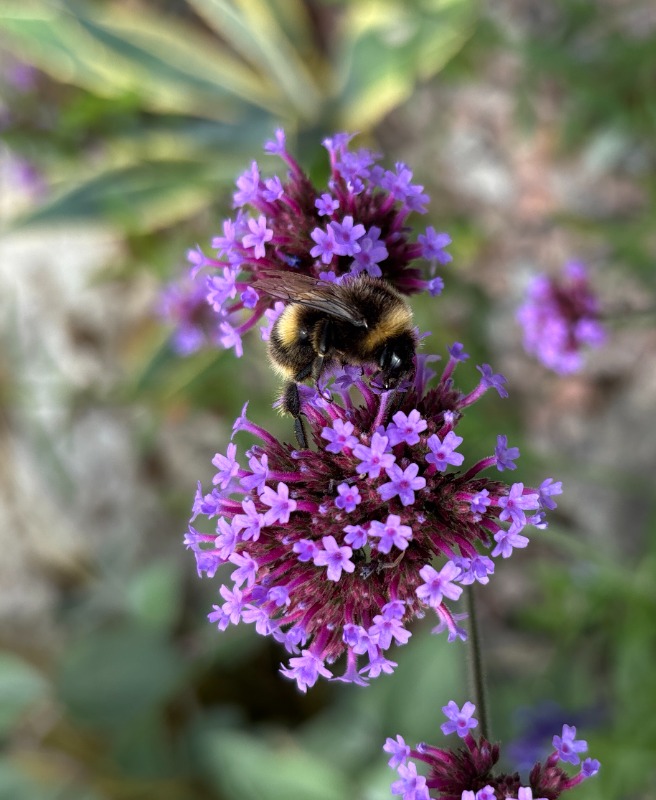
Verbena bonariensis on Pixabay
Sedums: These are a particular favourite because they’re reliable, drought-tolerant once established, and bring rich late-season colour just when borders can start to look tired. Their succulent leaves store water, making them ideal in hot, dry conditions, and their flat-topped flower heads in shades of pink, red and copper last from late August through October.
Chrysanthemums: Another easy win, giving a strong hit of autumn colour without needing much more than a decent spot and the odd tidy-up. They’re one of the strongest choices for carrying a traditional perennial border deep into fall with minimal fuss.
Asters: Asters are well worth including if you want to extend the season. They flower late, cope well with being left to do their thing, and bring a softer, more natural look to borders. These long-lived perennials produce reliable displays of blue, pink or white daisy-like flowers late into the season and are a favourite with bees and butterflies.
Heucheras: Foliage is brilliant for the autumn garden too, especially where you want colour without relying solely on flowers. Their foliage carries interest for months in shades from green and silver to bronze, burgundy and almost black, and they still look purposeful even when they’re not at their peak.
Ornamental grasses: Grasses are another clever choice for a low-maintenance autumn scheme. They add movement, structure and texture, and need little intervention beyond a cut back later in the season. Varieties such as feather reed grass (Calamagrostis) and Chinese silver grass (Miscanthus) tolerate drought well and cope in a wide range of soils in the garden.
Achillea: Commonly known as yarrow, this is a particular favourite because it’s reliable, drought tolerant once established, and brings flat-topped clusters of colour just when borders can start to look tired. Its ferny foliage and tough stems cope well in hot, dry conditions, and its flower heads in shades of yellow, pink and red last from midsummer through early autumn.
Eryngium: Sea holly is a particular favourite because it’s reliable, drought-tolerant once established, and brings striking metallic-blue interest just when borders can start to look tired. Its spiny, silvery foliage and thistle-like flower heads cope well in hot, dry conditions, and their steely blue or purple tones last from midsummer into autumn.
Verbena bonariensis: This is a particular favourite because it’s reliable, drought-tolerant once established, and brings airy purple height just when borders can start to look tired. Its tall, branching stems and small leaves cope well in hot, dry conditions, and its floating clusters of lilac flowers last from midsummer through the first frosts, giving a last nectar blast for bees.
Salvia nemorosa: A must for late summer gardens because it’s reliable, drought-tolerant once established, and brings long-lasting spikes of colour just when borders can start to look tired. Its aromatic foliage and upright stems cope well in hot, dry conditions, and its dense racemes of blue, violet or pink flowers last from early summer through autumn.
Stachys byzantine: Also known as lamb’s ear, this is a reliable, drought-tolerant plant which, once established, brings soft, silvery texture just when borders can start to look tired. Its thick, furry leaves cope well in hot, dry conditions, and its woolly rosettes and occasional pink-purple flower spikes provide interest from late spring through autumn.
Julian Palphramand, Head of Plants at British Garden Centres, said: “What makes these plants especially useful is that they still deliver impact when many others are fading. They’re generally tough, forgiving and happy with less than perfect conditions once established, which is exactly why they suit a low-maintenance garden. By choosing a mix of late-flowering perennials, foliage plants and structural grasses, you can still create layered, designed-looking borders this autumn.”
The shortened address for this article is: newspub.uk/220ty
Search Results