



search
date/time

Fri, 10:00AM
light rain
16.2°C
S 5mph
light rain
16.2°C
S 5mph
 | Sunrise | 5:11AM |
| Sunset | 7:13PM |  |
P.ublished 27th August 2026
travel
Brits Swapping Crowded Tourist Hotspots For Calmer, More Meaningful Cultural Experiences
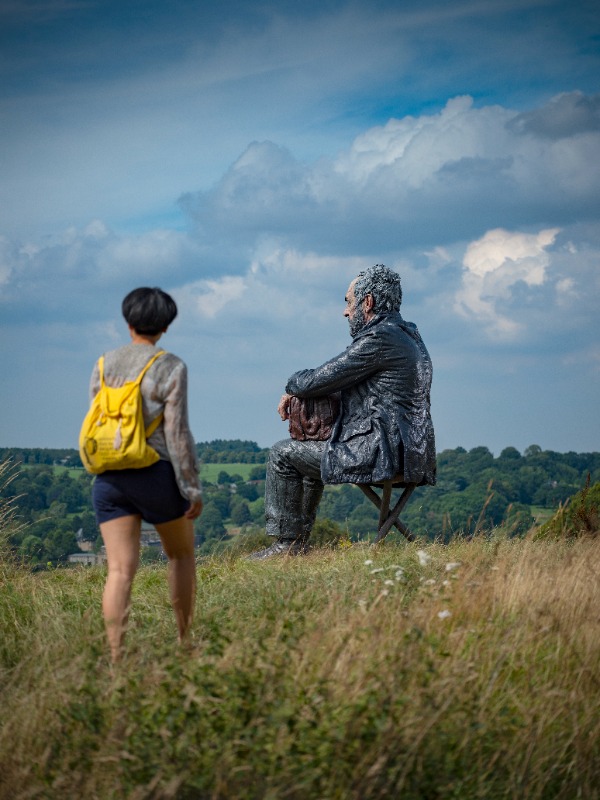
Seated Figure
Photo: Jonty Wilde, courtesy YSP
The trend was even stronger amongst those living in Yorkshire and the Humber, with almost two-thirds (62%) saying they would favour a calmer, less crowded destination.
The research comes as the August bank holiday approaches and Brits look to make the most of the final days of summer. The study found that spending quality time with family and friends (45%), having the chance to relax and recharge (40%), enjoying time outdoors (35%) and a break from screens (20%) are among people's top priorities.
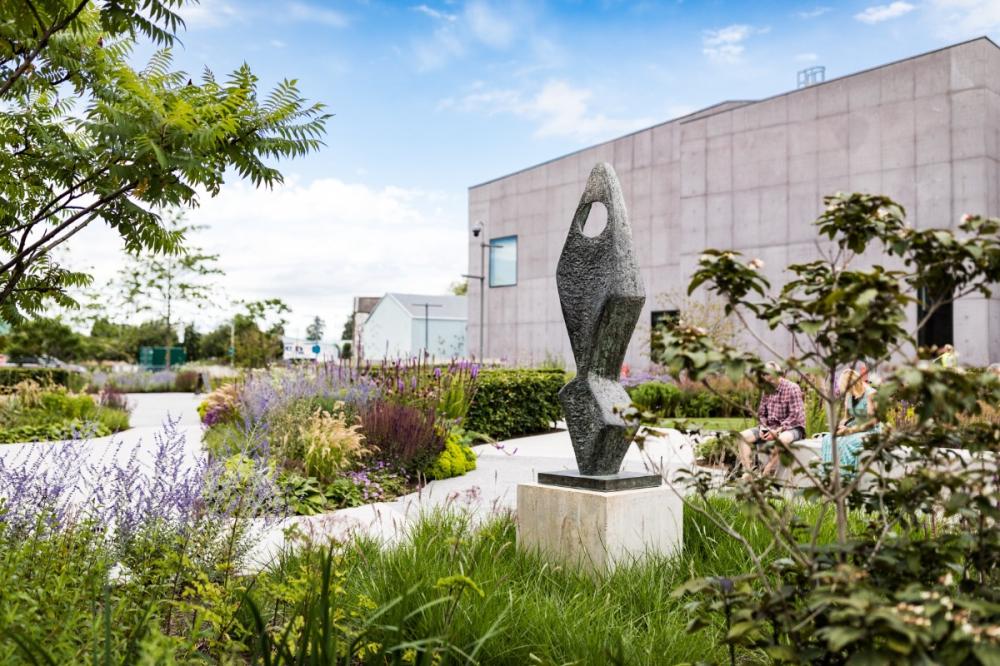
The Hepworth Wakefield Garden
Photo: Nick-Singleton
Combined with growing demand for meaningful cultural experiences, the results suggest destinations that offer culture without the crowds are particularly well placed to benefit, including the Wakefield district, the UK’s Capital of Sculpture.
The survey uncovered the impact that outdoor art and sculpture can have on destinations. More than a third of respondents (36%) said outdoor art or sculpture encourage them to explore areas they might otherwise miss , while a quarter (25%) said they would spend longer exploring a destination because of them. A similar number (28%) said outdoor art inspires them to learn more about a place and its history.
The emotional benefits were clear too. Nearly a quarter of respondents (24%) said outdoor art or sculpture made them slow down and notice their surroundings, while around one in five said it improved their mood (22%) or helped them relax (20%).
The wider role of culture was also evident, with nearly seven in 10 respondents (69%*) agreeing art and culture support their wellbeing, while almost three-quarters (72%*) agreed cultural experiences help them switch off from screens. Meanwhile, two-thirds (67%*) agreed seeing something creative can help improve a difficult day.
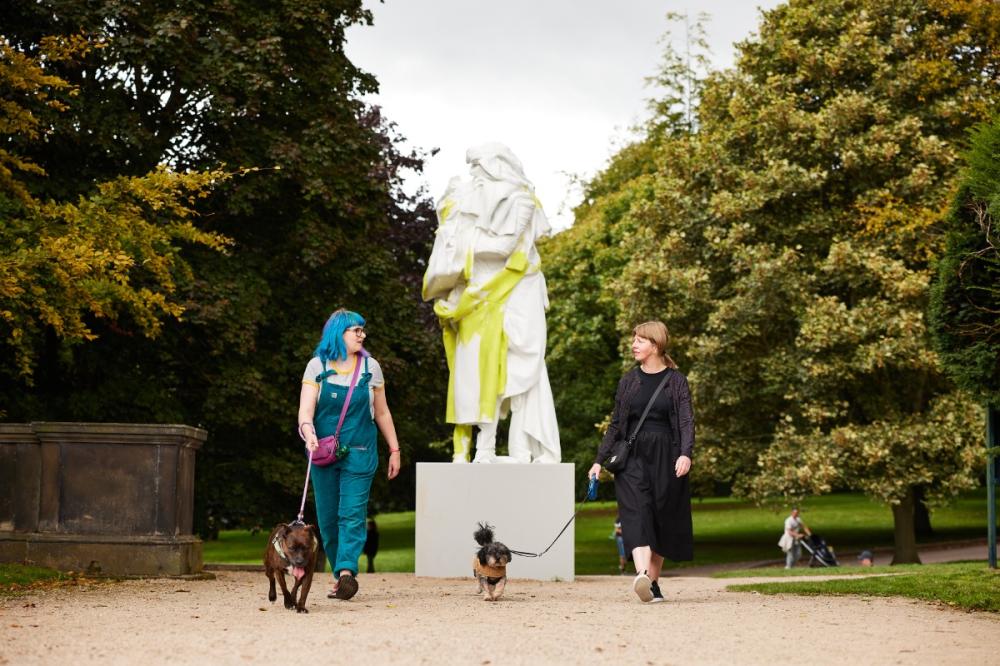
David Lindsay, courtesy Yorkshire Sculpture Park
This was evident when it came to sculpture. A third of respondents (33%) associated sculpture with London, while just 5% associated it with Yorkshire and the Humber, despite the region's rich sculptural heritage, including being the birthplace of Henry Moore and Barbara Hepworth, and home to internationally renowned attractions including Yorkshire Sculpture Park and The Hepworth Wakefield.
However, respondents from Yorkshire and the Humber were far more likely to recognise the region's sculpture credentials, with more than a quarter (27%) associating sculpture with the region. The findings suggest there is a significant opportunity to raise awareness nationally of the world-class sculpture, art and cultural experiences available in the area.
"The way people travel is changing. Visitors are increasingly looking for experiences that offer value for money, help them slow down, discover something new and spend meaningful time with the people around them. As the UK's Capital of Sculpture, the Wakefield district offers exactly that, combining world-class art and culture at award-winning institutions, with beautiful landscapes, heritage attractions and welcoming communities.
“It's encouraging to see that people in Yorkshire already recognise the region's strong connection to sculpture and culture, but the findings also show there is an opportunity to introduce more people from across the UK to the incredible experiences available here. As more travellers look beyond the usual hotspots, we hope these findings inspire people to discover more of what the UK has to offer this bank holiday and beyond."
"Sculpture has a distinctive ability to connect people with places. Art in a landscape encourages people to pause, explore and experience the world around them in a different way. It can lead them to discover more about a location, or about themselves.
“It’s encouraging to see so many people recognising the positive role of art outdoors, from inspiring curiosity and creativity to helping people spend more time exploring and engaging with the places they visit. We see this every day at Yorkshire Sculpture Park, where sculpture creates memorable experiences that connect people with art, nature and each other.”
To find out more about Experience Wakefield, including what’s on across the district, please visit: https://experiencewakefield.co.uk.
*Combining ‘strongly agree’ and ‘somewhat agree’ responses.
The shortened address for this article is: newspub.uk/220qg
Search Results