search
date/time
 | Cumbria Times A Voice of the Free Press |
1:00 AM 28th November 2025
frontpage
Budget Impact On UK Town Centres - Limited Relief For UK High Streets As New Data Shows Footfall Declines
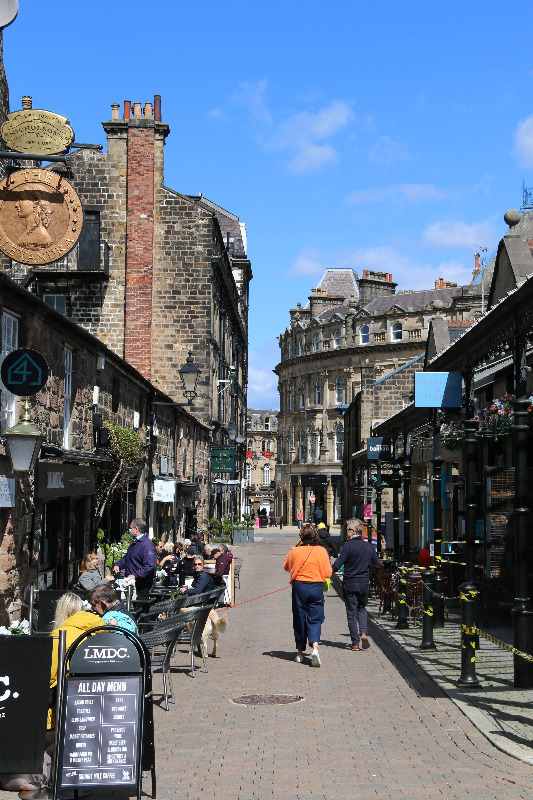
Harrogate:
Photo: ©Steve Hare
Place Informatics’ latest figures show a marked year-on-year drop in footfall in September, following a sustained decline over the summer. The UK as a whole saw footfall drop by ‑2.58%, with England down ‑2.84%, Wales by ‑3.60%, Scotland by ‑3.59%, and Northern Ireland by ‑1.57%.
Against this backdrop, the 2025 Budget confirms major reforms to the business-rates system for retail, hospitality, and leisure properties. From April 2026, business rates multipliers for many high-street premises will be restructured under a new “slice” system. In the interim, for 2025/26, eligible retail, hospitality, and leisure businesses are receiving 40% business-rate relief, subject to a £110,000 cash cap. The Government has also frozen the small business multiplier to help smaller premises protect against inflation.
The recent above inflation increase to the National Living Wage, raising the hourly rate for over‑21s to £12.71 and significantly boosting pay for younger workers, will push up labour costs for many high-street retailers and hospitality businesses. Combined with higher employer National Insurance costs and other expense pressures, staffing a typical entry-level retail role could now cost over 10% more, with part-time jobs rising by even more.
These announcements in the Autumn Budget could offer a partial lifeline for many small and medium-sized high-street shops, pubs, restaurants, and leisure venues, particularly those operating on modest rateable values. For these businesses, lower rates may ease one part of the cost pressure and potentially help them stay afloat during a period of falling footfall.
However, the timing and scale of the relief raise serious questions about its overall impact, particularly in the context of Place
Visitor numbers are already falling, and the decline appears to be constant; fewer consumers are visiting town centres, reducing turnover regardless of rent or rates.
Many high-street businesses face a dual squeeze, reduced footfall and increased operating costs, meaning that business-rate relief, while necessary, is unlikely to be sufficient on its own.
Medium and larger premises will see no relief or may even face higher burdens under the new rates system.
While the business rate reforms introduced in the Budget represent a helpful but partial measure for high streets, they are unlikely to reverse the downturn by themselves. Our data shows visitor numbers falling across the UK, and that decline appears to be constant. Unless the relief is complemented by broader, targeted support, for example, measures that boost consumer confidence, encourage return visits, or support dwell-time and spend per visitor, many town centres remain at serious risk.
As the economic outlook remains tight, understanding exactly how people are using town centres is essential. High street recovery will depend on targeted interventions, and those decisions must be backed by reliable data on visitor patterns, dwell times, and consumer behaviour.