search
date/time
 | Cumbria Times A Voice of the Free Press |
8:58 AM 19th November 2025
frontpage
December Rate Cut More Likely After Further Fall In Inflation
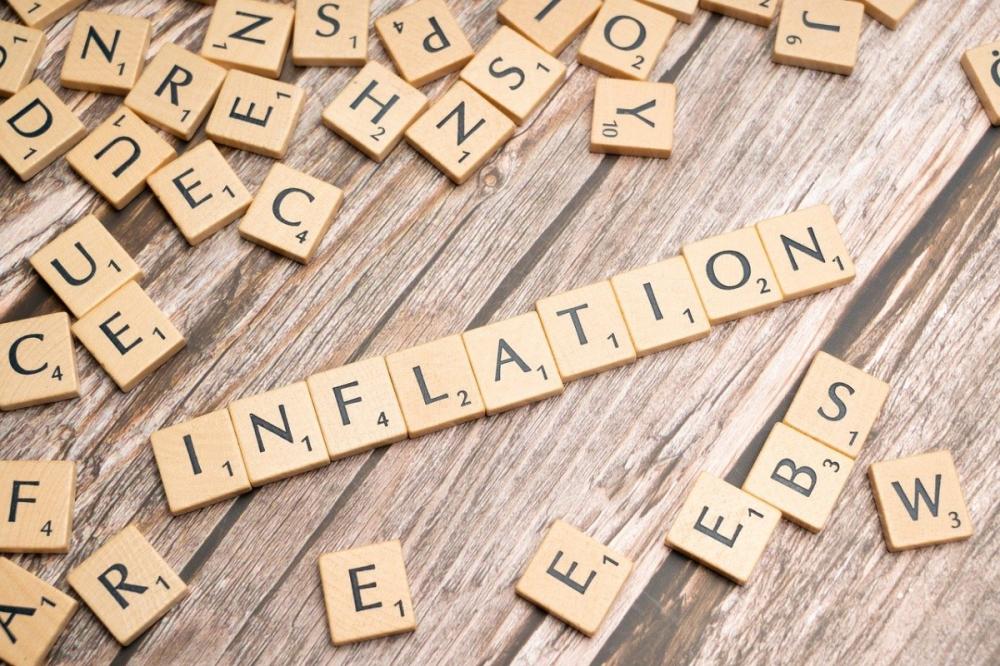
Inflation Image by Markus Winkler from Pixabay
Julian Jessop, Economics Fellow at the free market think tank the Institute of Economic Affairs, said:
"Inflation is heading in the right direction again, but it is far too soon to sound the all clear.
"The fall in the CPI measure to 3.6% in October, from 3.8%, was widely expected. However, inflation is still well above the Bank of England’s 2% target.
"Moreover, there is still a worryingly large gap between inflation in the UK and in the euro area (where it is expected to be 2.1% in October). This gap can mostly be explained by Government policy choices, including the large increases in labour and other business costs since last Autumn’s Budget.
"The breakdown of the latest data also shows that UK inflation is still sticky. The fall in the annual headline rate can be entirely accounted for by the favourable base effects in domestic energy inflation. Bills still rose, but by less than in the same month last year.
"These bills are included in "housing and household services", where the annual inflation rate remains high (at 5.2%).
"Otherwise, not much changed – although there was an unwelcome pick up in food inflation (from 4.5% to 4.9%).
"The core measure (excluding food and inflation) did at least tick down to 3.4%. But overall, there is little here to change anybody's mind about the outlook for inflation. As such, today’s data will have no impact on the decisions in next week’s Budget.
"The fall in inflation was at least in line with the Bank of England’s forecasts, removing one barrier to an interest rate cut next month. However, the main reason why interest rates are likely to fall further is the weakness of economic activity, which is likely to be compounded by the announcement of even more tax increases next Wednesday."
Anna Leach, Chief Economist at the Institute of Directors, said:
“Inflation has continued to inch downwards in today’s data, increasing the likelihood that December will see a welcome rate cut. Goods, services and core inflation all eased, although food inflation did pick up again to 4.9%.
“We’re drawing ever closer to a Budget which is expected to dampen already subdued demand further via another increase in the tax burden. While uncertainty will hopefully diminish, that is unlikely to fully cancel out the drag on investment and hiring from further tax rises. There’s one more inflation release before the next interest rate decision, but with a weaker near-term outlook in prospect, it seems more certain that the Monetary Policy Committee will on balance cut rates in their December meeting.”
Stuart Morrison, Research Manager at the British Chambers of Commerce said:
“Businesses will be hoping October’s inflation rate of 3.6% is further evidence that inflation may now be past its peak. That’s in line with forecasts by the Bank of England and the BCC.
“However, the economy remains vulnerable, and firms are under no illusion about the huge cost pressures they continue to face. Our latest survey data shows inflation is the second biggest concern for businesses after tax. The two are intrinsically linked with many firms telling us the employer NICs hike has forced them to put up prices.
“Business can’t be in the firing line again at next week’s Budget. The national insurance hike, announced in last year’s statement, has fuelled inflation, hit investment and damaged job opportunities. Those are not the ingredients for the sustained growth we all want to see.
“The Chancellor must use her statement next Wednesday to ease the cost burden for business, not add to it. In short, no more tax on business.
“Recent speculation about a new cap on pension salary sacrifice schemes is worrying, as it would add more costs for employers and could limit investment. The Budget must also help tackle the skills crisis, help exporters and turbocharge infrastructure projects.
“The economy will continue to stutter unless business costs come down, and firms are given the right tools to invest, recruit and trade.”
“Inflation eased in October, broadly in line with the Bank of England’s expectations. With Q3 GDP figures confirming a weak growth backdrop, and the labour market continuing to soften, today’s figures add to the evidence that price pressures are gradually subsiding.
“Combined with the likelihood of further fiscal consolidation measures at the Budget, the data should give the Bank’s Monetary Policy Committee confidence that inflation risks are diminishing. If this trend continues, the case for an interest rate cut in December looks increasingly compelling.”