



search
date/time

Fri, 4:00AM
overcast clouds
16.4°C
SSE 6mph
overcast clouds
16.4°C
SSE 6mph
 | Sunrise | 3:35AM |
| Sunset | 8:48PM |  |
P.ublished 18th June 2026
nature
Grow The Flower Everyone Loves With British Garden Centres’ Guide To National Rose Awareness Week
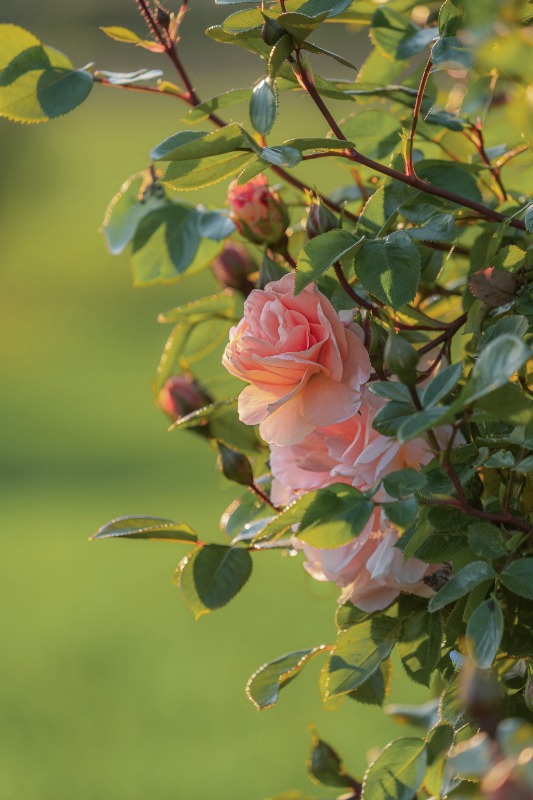
Image by Couleur from Pixabay
How to choose your rose
With more than 30,000 varieties out there, it can feel overwhelming, but it comes down to two simple questions: how much space do you have for your rose, and how sunny is your outdoor space?
If you’re working with a patio, balcony or small terrace, miniature, patio and floribunda roses do brilliantly in containers. For a border, wall or pergola, a climbing, rambling or groundcover variety will spread and fill the space beautifully. Roses also come in a huge range of styles, from the big, full, classic rose shape to simpler single-petal flowers, so there’s plenty of room to find one that suits your taste.
One thing all roses have in common is that they all love the sun. When thinking about where to plant your rose, aim for a spot that gets at least four hours of direct sunlight a day. They like free-draining soil too, so if your garden is on the heavy or clay side, dig in some compost or manure before planting, and try to avoid anywhere too exposed as strong winds can rock the root ball and set the plant back.
How to plant your rose
All the roses at this time of year will come in containers with a good root system already in place, which gives them a real head start. Unlike bareroot roses, they can go in the ground any time of year, which is handy if you want to get started now in the summer.
Pick a sunny spot at least 30cm away from walls or fences, and avoid anywhere a rose has grown before, as the soil can harbour disease, which may hamper their start. Mix some rose feed and well-rotted manure or compost into the planting hole, water the rose well before and after planting, and keep watering regularly through the summer while it gets established.
If you want to grow your rose in a pot, we recommend using a good potting compost, making sure the container has drainage holes, and topping up the compost each winter.
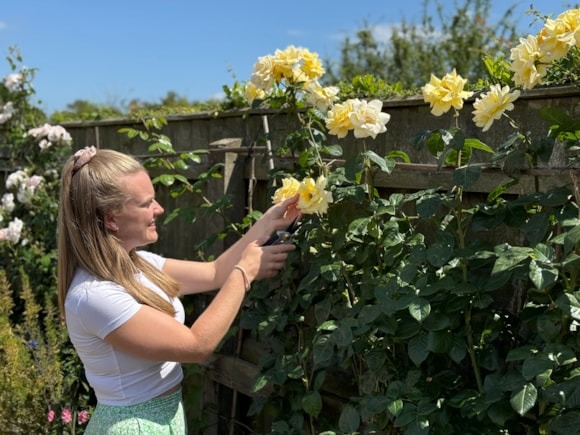
Eve deadheading roses
Photo: BGC
Watering: Newly planted roses need a good drink every few days, so once they’re settled, once a week is usually enough, but you may need to water more if it’s been hot and dry. Roses in pots need more attention, as in a warm spell, they may need watering every day, especially when they’re in full flower. Just make sure the pot drains properly, as roots sitting in water will cause problems like rot.
Feeding: Roses are hungry plants, and they’ll reward you for feeding them well throughout the season. Slow-release granules like Miracle-Gro Rose Feed Granules work well and should be applied at planting, in June and again in August, to keep them going. Top that up with a liquid rose feed every couple of weeks through the flowering season, and you’ll notice the difference and get abundant blooms.
Mulching: A layer of compost spread around the base of the plant, but not touching the stem, helps the soil stay moist and cool during dry spells. It takes five minutes and makes a noticeable difference through a hot summer, protecting your rose but still allowing it to do its thing in your garden.
Deadheading: To keep your roses blooming, snipping off the dead flowers as they fade keeps the plant looking good and encourages it to produce a second flush. Make sure you use clean, sharp secateurs and cut just above a healthy leaf.
Pruning: A little pruning goes a long way, so if you need to do this, cut at a slight angle just above an outward-facing bud, take out any dead or diseased wood, and keep the middle of the plant fairly open so air can move through it. If you’ve just planted a new rose, give it a hard prune to stop it getting leggy in its first year.
Modern bush roses, hybrid teas and floribundas are best pruned in late February or March. Cut back to around five to seven buds from the base and remove anything weak or spindly. Repeat flowering shrub roses can also be pruned this way to prepare for the year’s growing season. Climbers and ramblers are a little different, as those that flower on new growth get trained and tied in, while those that flower on last year’s wood are pruned back once flowering is over.
Julian Palphramand, Head of Plants at British Garden Centres, said: “There's a reason roses are the first thing people think of when they picture a British garden. And what a lot of people don't realise is that they're actually very forgiving plants, so why not try one in your space? Our Make it Bloom campaign is all about giving people the confidence to have a go, and National Rose Awareness Week feels like the perfect time to do exactly that.”