



search
date/time

Sat, 7:00AM
light rain
10.9°C
W 12mph
light rain
10.9°C
W 12mph
 | Sunrise | 6:29AM |
| Sunset | 5:26PM |  |

Michael Atkins
Motoring Correspondent
P.ublished 9th October 2026
cars
Jaguar TYPE 01 – From Pink Ads to Actual Cars
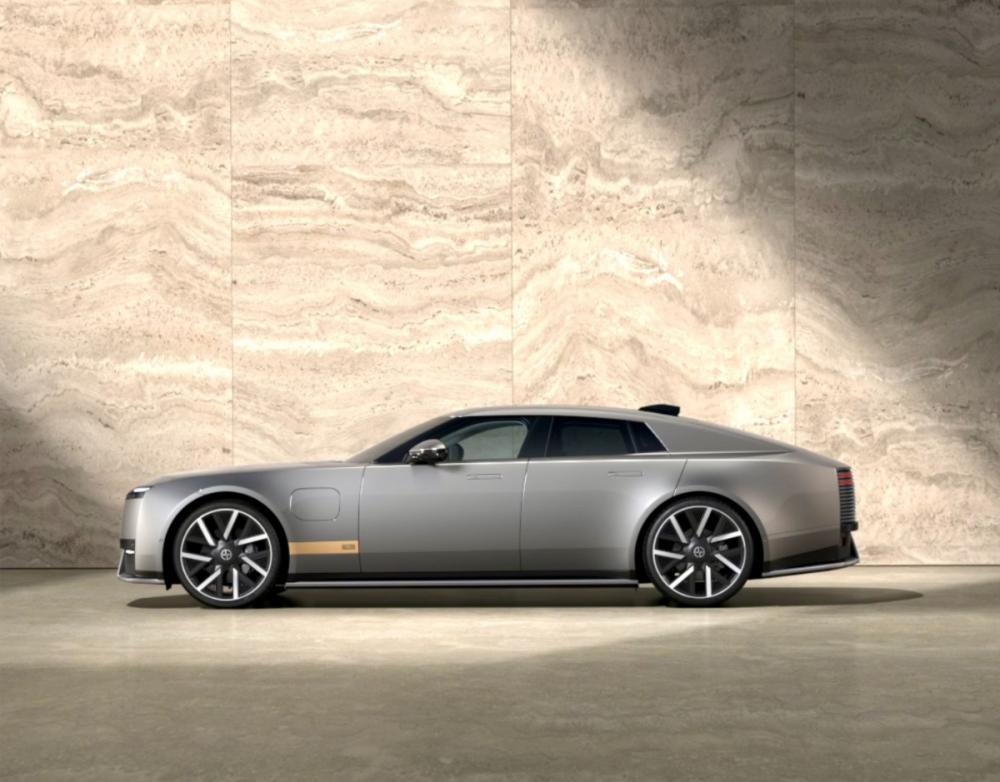
It lands in a year of questionable decisions from other brands, with Ferrari’s Luce and Mercedes’ strange four-door GT among them. Against that backdrop the Jaguar doesn’t look too bad, though it is by far not the dream car of an 11-year-old.
Under the skin, the hardware is serious. A new electric architecture runs an 850-volt system and three motors, one at the front and two at the rear, making over 1,000hp and making this the most powerful Jaguar ever built. Jaguar claims 0-62mph in 3.2 seconds and roughly 400 miles of range, with around 200 miles added in 13 minutes on a 350kW charger. It is also the most aerodynamic Jaguar in the brand’s history, and it was designed, developed and built in the UK, which is worth celebrating after so much doubt.
Prices start at £130,000, with deliveries due in 2027. It is a powerful statement and a questionable one, and we will need to see whether it earns the success it promises.
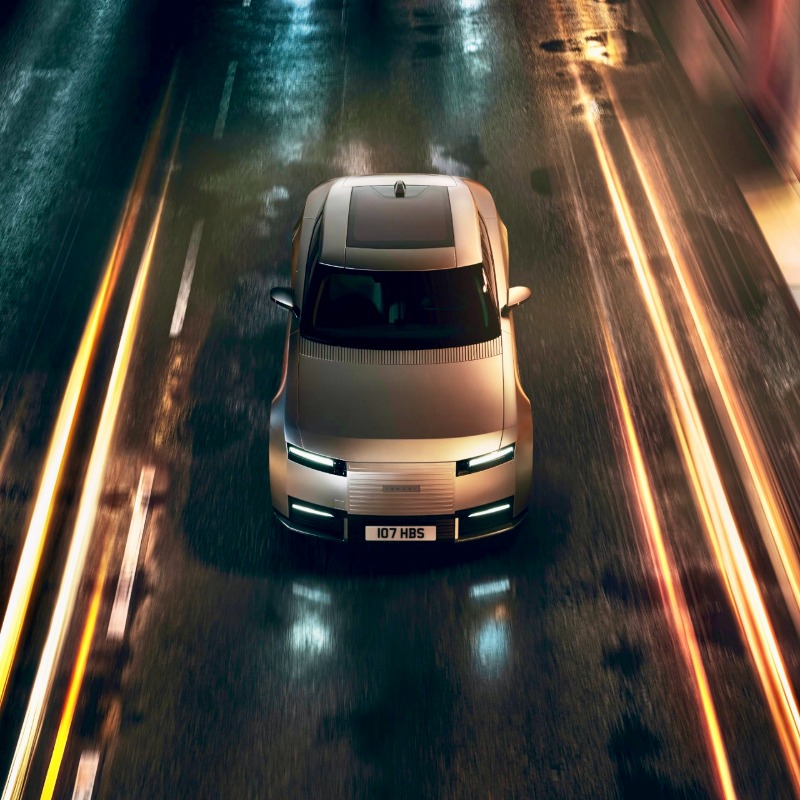
Then there is the size. At 5.2 metres long, the Type 01 is longer than an average UK parking space, which is around 4.8 metres, so it will stick out like a sore thumb in a car park. I think that tells you where Jaguar is looking: this car’s main market will be the United States.
Despite looking huge in pictures, it is only 1.4 metres tall, with 23-inch wheels making up more than half of that height. To be fair, that long, low stance is also what gives it presence. A 3.2-metre wheelbase and those big wheels keep the slammed-down look of the Type 00 concept, and it looks like nothing else on the road.
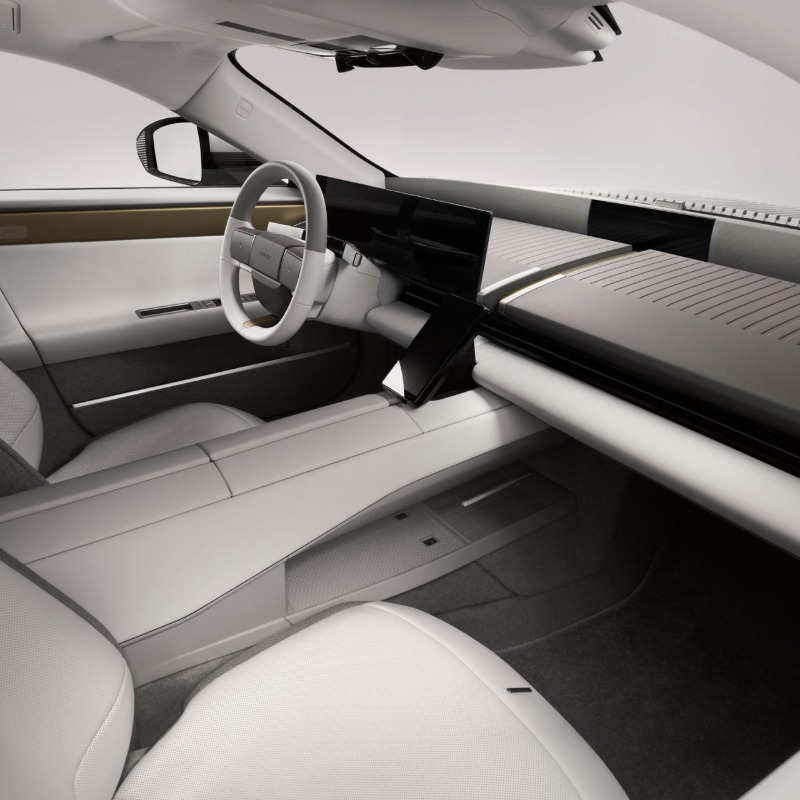
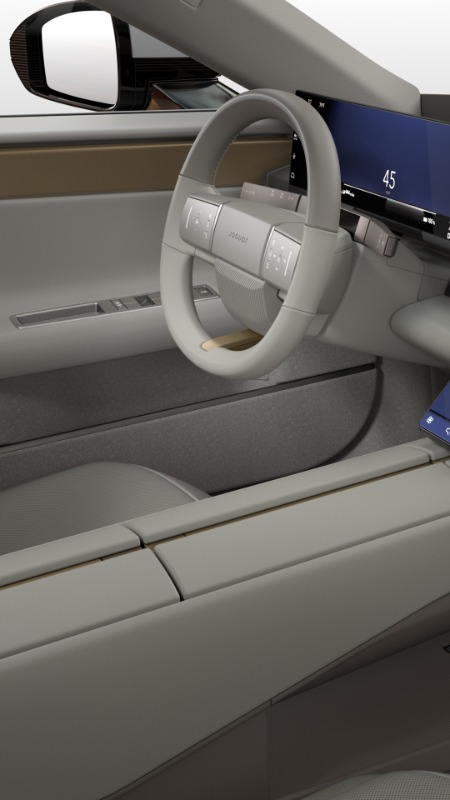
The low roof comes at a cost inside, and when I step into the cabin one word comes to mind: claustrophobic. The ceiling sits low like a GT’s, and the back simply doesn’t have enough space. Don’t get me wrong, the interior is very refined, and it is a great welcome from a luxury standpoint.
The boot is fine for commuting and can be piled up to the brim, since there is no glass to worry about. But like most EVs, the motors and batteries take up a large volume, so I think a ski trip might be a struggle.
Charging is easier than on most EVs. There are ports on both sides of the car, a really useful feature even though only one side takes DC fast charging. On a car the size of a cruise ship, easy access means less stress swinging it into the space.
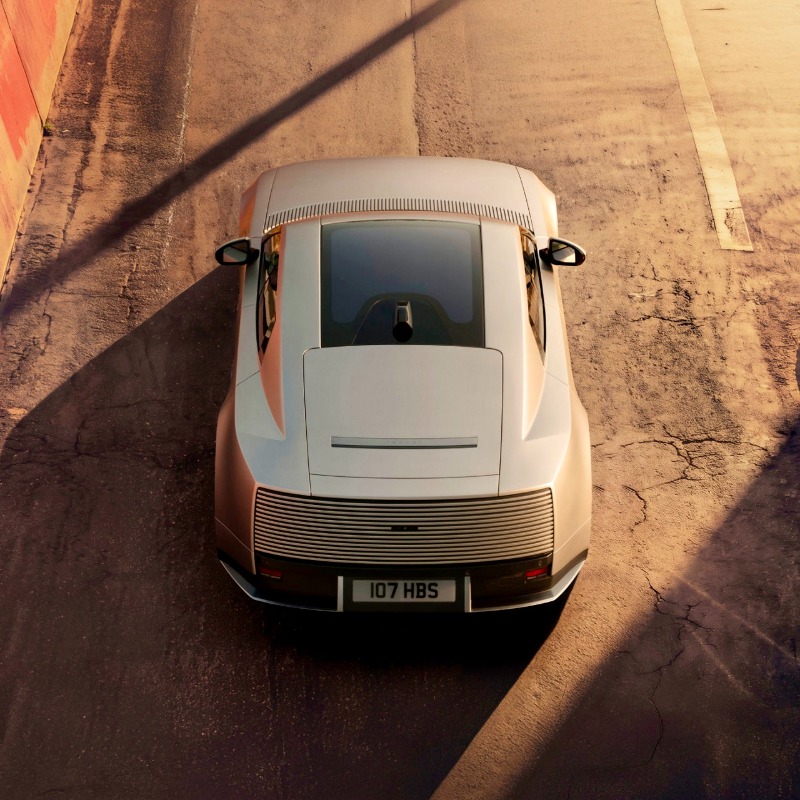
The thing many people get wrong about this car, including me originally, is who it is for. It is not aimed at someone with an XJS or an F-Type but at a completely new market and user base, and a lot of the people saying it is not a real Jag haven’t driven similar models.
Launching a bold concept with a very unrealistic interior did get the world talking and made people more excited for what was to come, and it is great to see how close Jaguar has stayed to that original concept.
The money side is interesting too. Set against a Rolls-Royce Spectre, which is renowned for costing too much for what it is, the Jaguar looks like a good deal. I will be curious to see what the options add as there are £30,000 worth available. Pearl seats, maybe? Wouldn’t surprise me.
Jaguar’s bosses say the early backlash to the rebrand has turned into a positive, and the company deserves credit for committing so fully to a clean sheet idea when playing safe would have been far easier. So, will Jaguar survive with this car? Only time will tell, but I think it will bring in the new customer base it is aiming for. Whatever you think of the styling, this is a car people will be talking about.
Also by Michael Atkins...
Two Generations, One Yaris CrossHas Audi Remembered What Made the A2 Great?Has Polestar Just Made The 4 Better?Fiat Panda - Is It Really That Grand?Living With The Skoda Fabia 130 EditionThe shortened address for this article is: newspub.uk/22193