



search
date/time
Mon, 1:00PM
light rain
18.7°C
SW 11mph
light rain
18.7°C
SW 11mph
 | Sunrise | 5:41AM |
| Sunset | 6:31PM |  |
P.ublished 25th March 2026
frontpage
Knowledge Gap About Epilepsy Exposed In Northern England

More than seven in ten people living in northern England (75%) believe that 70 or fewer people are diagnosed with epilepsy each day in the UK. In reality, around 79 people receive an epilepsy diagnosis each day across the country, which is roughly one person every 18 minutes.
The survey also showed gaps in understanding about the impact epilepsy can have on everyday life. Around a quarter of people in northern England (25%) believe epilepsy mainly affects someone during a seizure and that life is mostly normal the rest of the time. Meanwhile just 16% recognise that epilepsy affects almost every part of someone’s daily life , which the charity says does not acknowledge the huge impact epilepsy can have, from work and education to independence and wellbeing.
Insights from Epilepsy Action’s community survey reveal the hidden reality many people experience. Almost all people living with epilepsy who took part in the poll (89%) say the impact of the condition is often invisible to others, meaning the challenges they face day-to-day are not always recognised.
The 28-year-old said: “It was a relief in a way to be diagnosed I’d be living in fear and felt isolated from the world, my loved ones and myself for so long, I was extremely frightened too and it was an adjustment- I’m still adjusting.”
Beth has not let her condition hold her back and has completed a degree in forensic and analytic science, become an epilepsy advocate, launched a podcast speaking with people living with epilepsy around the world and is now developing a children’s book series aimed at helping young people better understand epilepsy.
“I just think people don’t see the everyday effects of living with epilepsy, people just think seizures and really that is the tip of the iceberg. It affects everything from memory and sleep to confidence, work and independence. For many people it also means navigating misconceptions and fear alongside a medical condition. That’s why days like Purple Day are so important it’s about understanding, inclusion, and standing beside those whose battles aren’t always visible.”
Around the world 50 million people live with epilepsy and have to manage the condition on a daily basis. People from more than 200 countries have visited Epilepsy Action’s website over the past year looking for practical information about the condition, while enquiries to the charity’s helpline have doubled during the same period.
It's really sad and disappointing that awareness of epilepsy still isn't where it should be for a condition that can change someone's life so suddenly.
For many people epilepsy remains a hidden condition. People may only think about seizures, but the reality is that epilepsy can affect everyday life in ways others don't always see or understand.
That lack of understanding can leave people feeling isolated or misunderstood. Greater awareness helps change that - creating a world where people with epilepsy feel supported and able to live their lives with confidence.
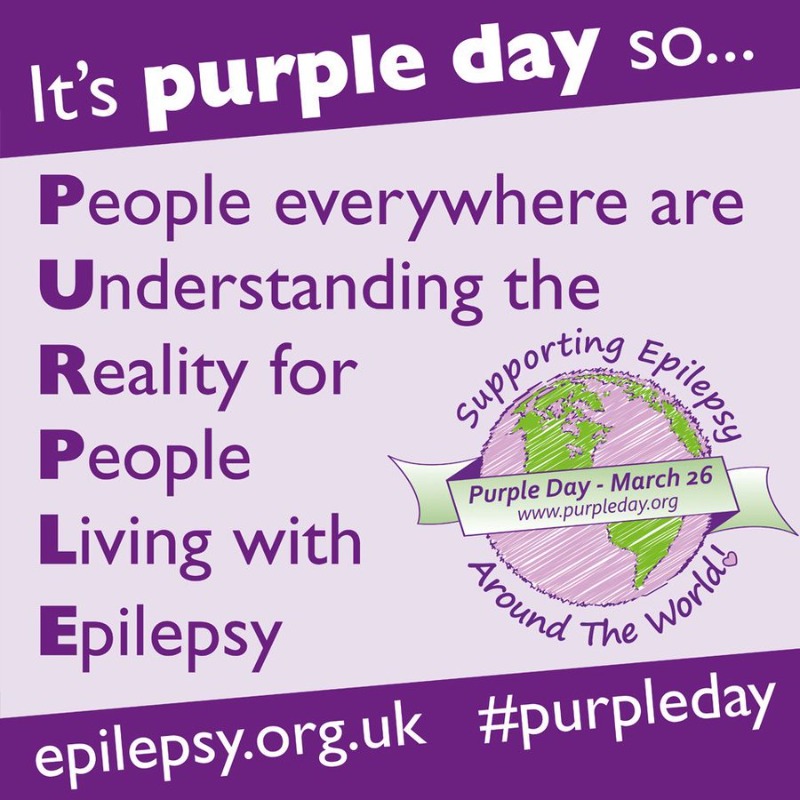
Purple Day is a chance for us all to change that- to come together, learn more about epilepsy and challenge the myths that still surround it, helping to create a world where people with the condition are able to live life to the fullest.
To get involved in Purple Day and to learn more about epilepsy Purple Day 2026 - Epilepsy Action or search Epilepsy Action on socials. As well as providing an award-winning helpline and support groups, the charity also hosts a wealth of epilepsy information and resources to help people manage their epilepsy, including essential first aid advice. Head to epilepsy.org.uk to find out more
The shortened address for this article is: newspub.uk/21yvi
Search Results