search
date/time
 | Cumbria Times A Voice of the Free Press |
1:08 AM 3rd December 2025
frontpage
North Cumbria Vet Practice Leads Tech Trial To Cut Anaesthetic Emissions
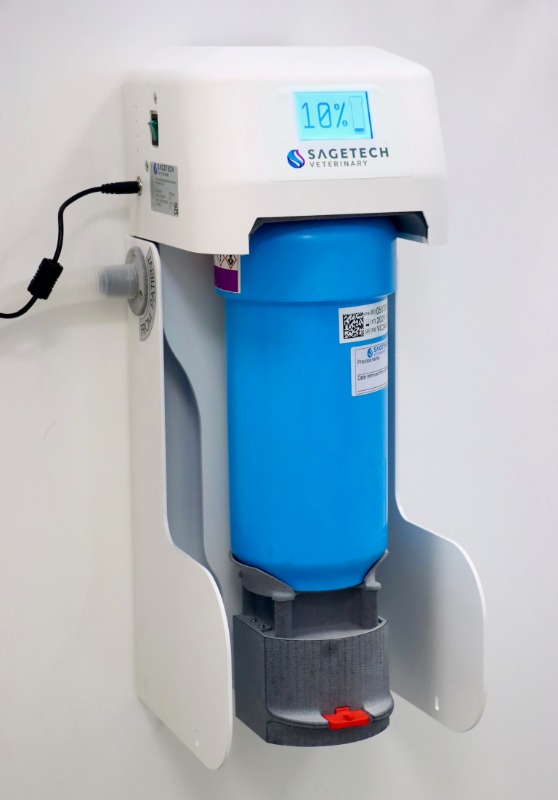
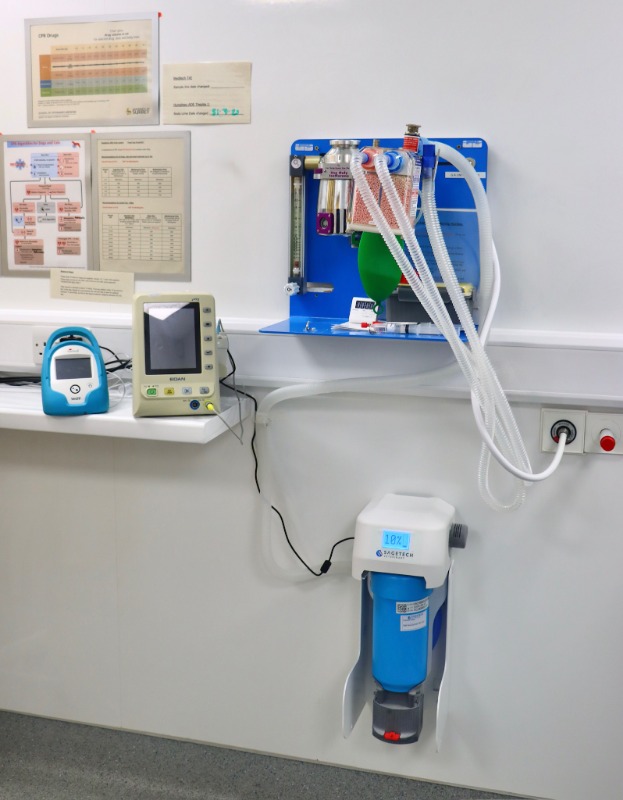
Laura Binnie, sustainability lead at Paragon Veterinary Group which has installed the new kit at its Dalston branch, said: “This is very exciting new technology, and we are proud to be pioneers in this. We are part of something quite revolutionary.”
It is calculated that 95 per cent of anaesthetic gases are normally breathed out by patients during surgery and lost into the atmosphere. However, they are potent greenhouse gases contributing to climate change.
“This is the beginning of developing low carbon anaesthetics world-wide which is very exciting,” said Laura, a small animal vet who is leading Paragon’s drive to become net zero.
Paragon is leading the trial of this technology for a coalition of 70 independently owned vet practices called XLVets.
“We will feed back on it, and we hope it will then be adopted by other practices around the country,” said Laura.
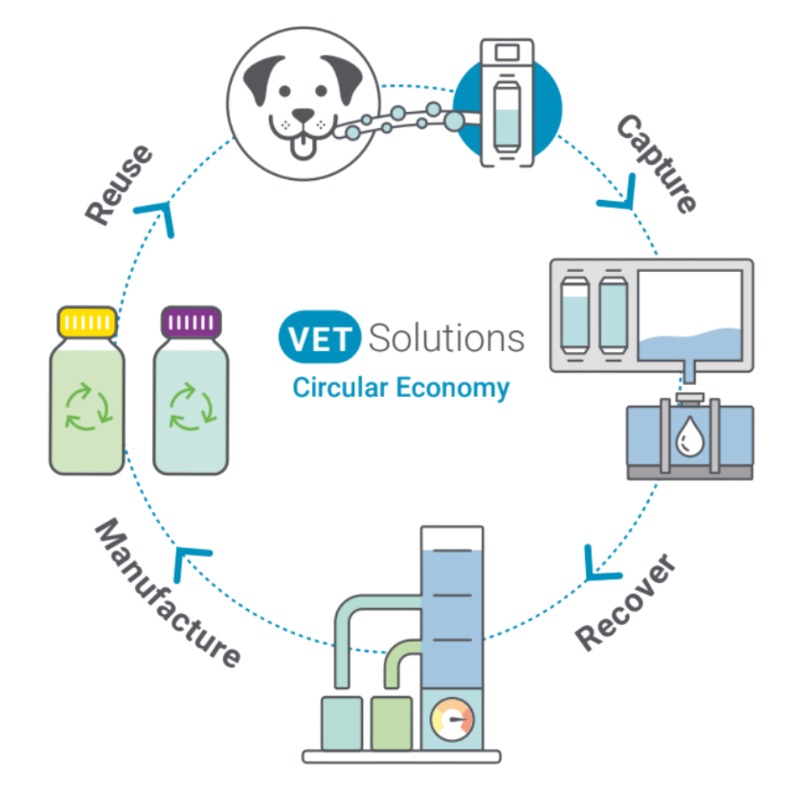
The system could reduce Paragon’s carbon footprint by 20 per cent, she says. Just one hour of anaesthesia can produce 6 – 8kg of greenhouse gas, the same carbon footprint as driving 15 – 30 miles in a medium sized petrol car, said Laura.
The reuse of the captured anaesthetic gases is awaiting approval by regulatory body, the Veterinary Medicines Directorate.
“It’s great for clients too because we are helping them to lower their pet’s carbon pawprint.”
Laura added: “It is not being trialled in human medicine currently, but I believe it will be. Humans and pets across the world will be adopting this technology and having a massive effect on the impact of anaesthetic gas. It is going to be incredible when it takes off.”
Paragon has already moved to ‘low flow’ anaesthesia using up to 85 per cent less anaesthetic gas on patients undergoing surgery, she said.
“There is no compromise on patient care or safety,” said Laura.
Paragon Veterinary Group has Small Animal, Equine, Farm and Advanced Breeding divisions and centres in Dalston, Newbiggin, Wetheral and Shap.