



search
date/time

Wed, 1:00PM
light rain
15.1°C
W 9mph
light rain
15.1°C
W 9mph
 | Sunrise | 5:45AM |
| Sunset | 6:26PM |  |
P.ublished 1st August 2026
travel
Popped Ears and Upset Stomachs: The Holiday Ailments 7 Million Brits Could Face This Summer
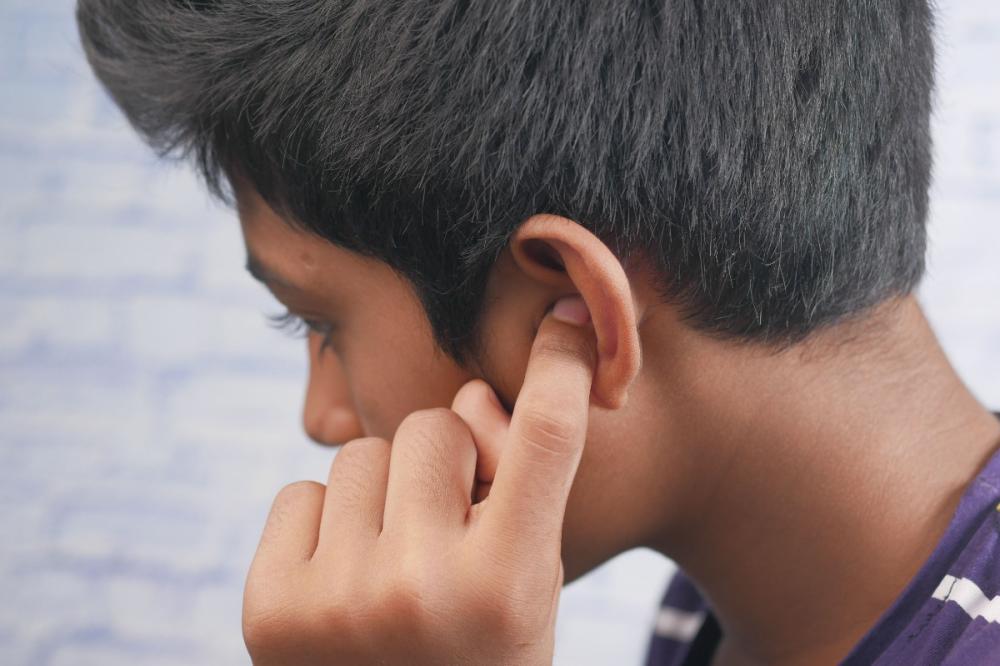
Image Towfiqu barbhuiya on Pexels
Sanjay Verma, ENT Consultant at LivingCare Group explains aeroplane ear:
Aeroplane ear, also called ear barotrauma, is the discomfort or blockage you feel when the pressure in your middle ear doesn't match the pressure around you. It most often happens during the take-off and landing of a flight, when cabin pressure changes quickly.
According to the NHS, the symptoms can include a feeling of pressure or fullness in the ears, muffled or dulled hearing, mild pain, and sometimes a popping or clicking sensation. For most people these symptoms are short-lived and ease as the pressure equalises.
Why does it happen when you fly?
Behind your eardrum is the middle ear, a small air-filled space connected to the back of your nose by a narrow channel called the Eustachian tube. Its job is to keep the pressure inside your ear equal to the pressure outside.
As a plane climbs or descends, the cabin pressure changes. The Eustachian tube usually opens to let air move in or out and balance things out, which is the "pop" you feel. When it can't open quickly enough, the pressure difference pulls on the eardrum and causes that blocked, painful feeling. Anything that narrows or blocks the tube makes this more likely, such as a cold, allergies (including hay fever), sinus congestion or a build-up of earwax.
How can you prevent it?
The aim is to keep the Eustachian tube open and the pressure balanced, especially during descent. The NHS and other authorities suggest several practical steps:
Swallow, yawn or chew gum during take-off and landing to help the tube open. Try the Valsalva manoeuvre - take a breath, pinch your nose, close your mouth and gently try to breathe out through your nose to "pop" your ears. Do this gently. Stay awake during descent so you can keep swallowing or yawning to equalise. Use specially designed pressure-regulating earplugs, which can slow the rate of pressure change.
If you have a cold or blocked nose, ask a pharmacist about a decongestant spray or antihistamine to use before the flight.
These steps help most travellers. They are general measures, not personal medical advice, so check with a pharmacist or clinician if you are unsure what suits you.
How to relieve after landing?
For most people the blocked feeling clears within minutes to hours as the pressure settles. Gently swallowing, yawning, chewing, or trying the Valsalva manoeuvre can help your ears equalise. If your nose is congested, treating that congestion often helps the ears clear too. Some travellers find their ears stay blocked or muffled for longer. If that happens and it doesn't ease over the following days, it is worth getting it checked rather than waiting it out.
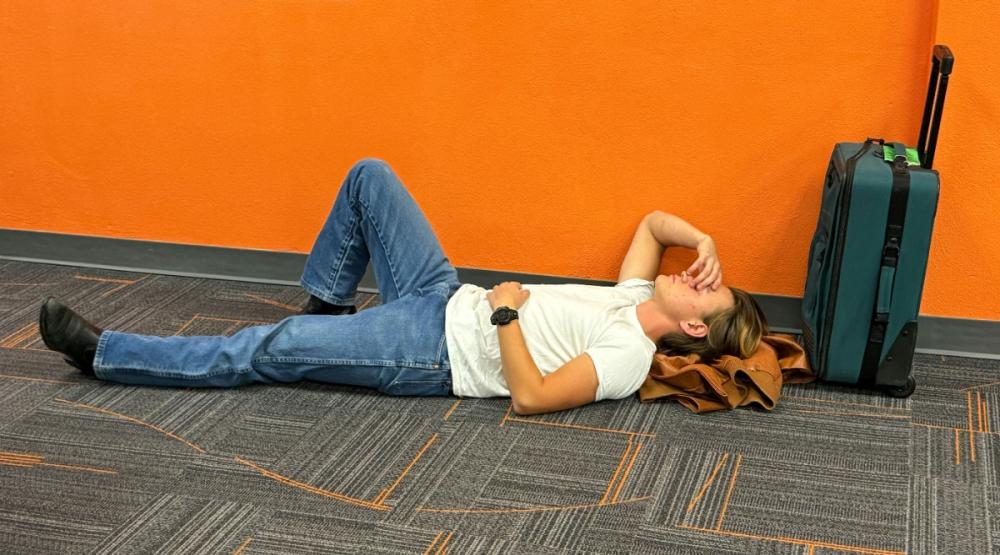
Dr Nick Burr, Consultant Gastroenterologist and Endoscopist at LivingCare Group, explains the causes of travel tummy’.
Traveller’s diarrhoea is usually caused by bacteria, most commonly E. coli, picked up from contaminated food or water, particularly in parts of Asia, Africa, the Middle East, and Central or South America.
Common sources include untreated water, ice cubes, buffets, shellfish, undercooked meat, and food left sitting in the heat. Symptoms can include loose stools, cramping, bloating, and nausea, often within the first week of travel.
For those who experience a milder “upset tummy” when travelling or flying, this is often linked to cabin pressure changes, dehydration, reduced movement, disrupted sleep, stress, and unfamiliar foods. Staying hydrated, moving around during flights, and eating lighter meals can help reduce discomfort.
What factors can make it worse?
Dehydration is the biggest concern, especially in hot climates. People with diabetes, kidney disease, inflammatory bowel disease, or weakened immune systems may become unwell more quickly.
Alcohol and caffeine can both worsen dehydration and have a laxative effect, so they are best limited while symptoms are severe. Intense exercise while dehydrated or unwell may also slow recovery, so it’s usually best to rest, drink fluids, and stick to simple foods until symptoms improve.
The shortened address for this article is: newspub.uk/220bj
Search Results