



search
date/time
Thu, 1:00PM
light rain
15.3°C
WSW 15mph
light rain
15.3°C
WSW 15mph
 | Sunrise | 5:47AM |
| Sunset | 6:24PM |  |

Sharon Cain
Lifestyle & Travel Editor
P.ublished 25th July 2026
travel
The Smoke That Thunders: The Magic Of Victoria Falls
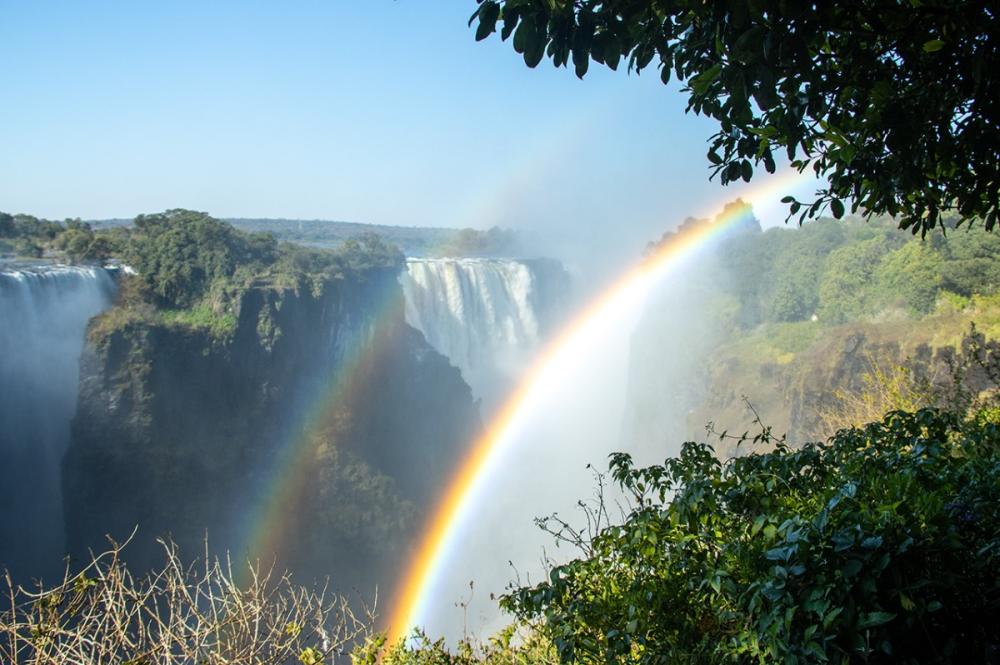
Victoria Falls is one of the world’s seven natural wonders. Images by Steve Hare.
Up to 500 million litres of water thunder down the falls into the mighty Zambezi river every minute in the rainy season. Mesmerising in every way, magical rainbows created by light and water droplets enhance the unique environment in which wildlife roam freely.
Sharon Cain, our Lifestyle and Leisure Editor, and Steve Hare, our series photographer, travelled independently to explore the falls as part of a wider South African adventure.
The experience proved more adrenalin-fuelled than anticipated when Sharon was stopped in her tracks by angry exchanges between two massive male baboons.
Cliff Edge Rainforest
Majestic splendour: The falls are 1,700 metres wide with 108 metre drop.
Declining (not quite graciously) an outrageous $120 dollars the hotel charged for a short return ride to the Zambezi falls entrance, we struck a deal with our amiable airport taxi driver.
While psyching myself up to the fact that navigating our way around South Africa for three weeks would be fraught with challenges, little did I know the first of them was just around the corner.
Boiling Pot Trail: A Difficult Descent
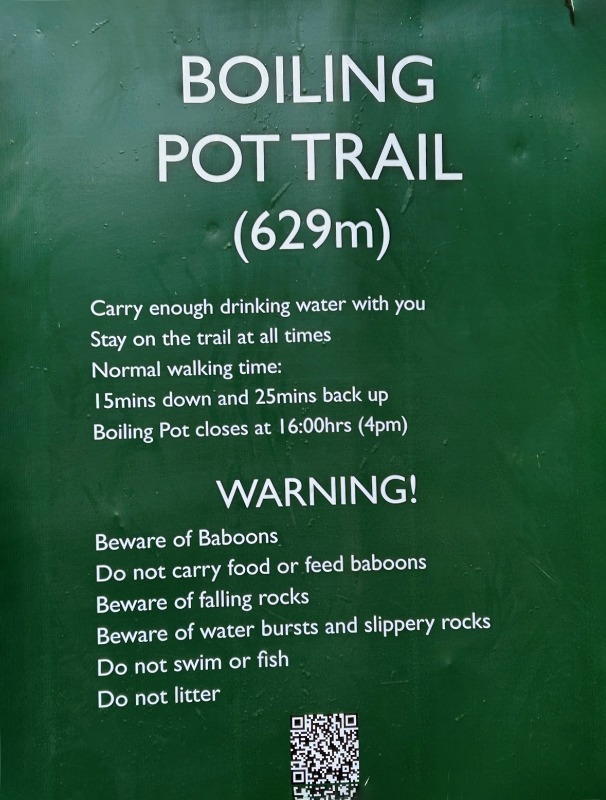
Pre-warned: tourists carrying food and water are easy prey
The local Tonga people also name the falls Mosi-oa-Tunya - ‘The Smoke that Thunders’ - which captures the evocative mists and constant swirling water.
Never ones to do things by halves, we paid our combined $40 dollars entry fee and headed for the Boiling Pot trail, a strenuous, rocky, slippery (due to the spray) hike descending to the base of a raging whirlpool where the Zambezi river joins the gorge.
Striving to keep focused amid waves of jet lag, searing humidity and uneven terrain, I never anticipated the large numbers of vervet monkeys and Chacma baboons I would cross paths with.
Image 2390 Not to be messed with: Baboons are renowned for their aggressive behaviour
Just 15 minutes into the hike, I was rooted to the spot by a terrifying altercation between two male baboons (the males can weight up to 50 kilos). They dashed away but I heard them close by as their conflict ensued. Steve was further ahead and out of their reach.
The sound of threatening tactics from a male aggressor.
By now the route was heaving with hordes of excited teenage schoolchildren nimbly negotiating the precarious rocks on the final stretch while I relied on fragile tree branches to clamber forward.
Spectacular Whirlpool And Iconic Bridge
Nature’s force at the base of the falls
Above me towered the iconic Victoria Falls Bridge discovered by Scottish missionary and explorer, David Livingstone, in 1855 who named it in honour of Queen Victoria.
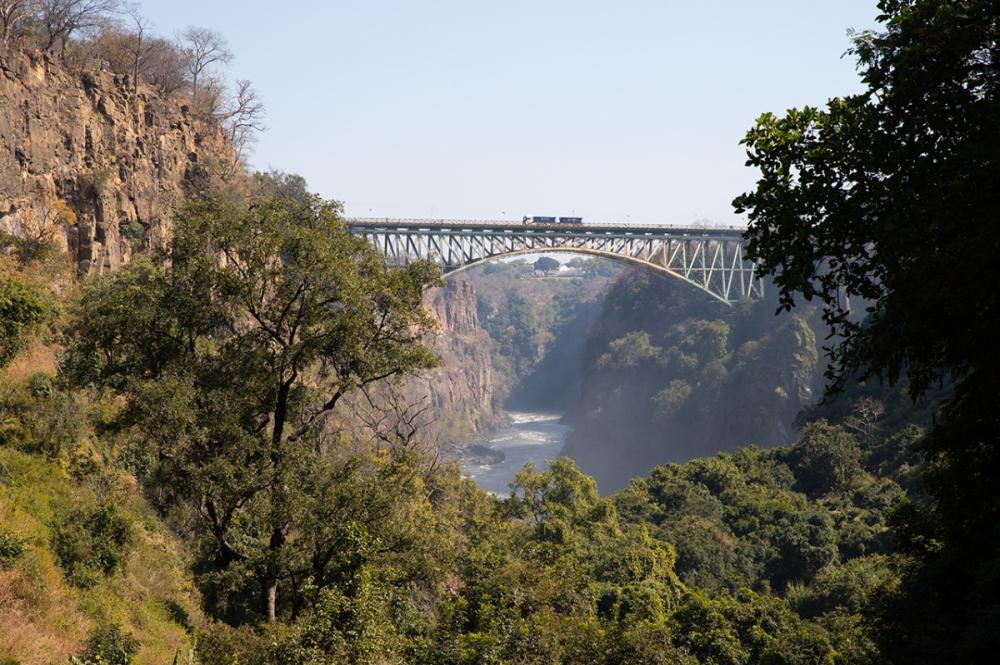
Engineering feat: the bridge was inspired by British imperialist, Cecil Rhodes
A long-serving vital trade and travel link between Zambia and Zimbabwe, heavy trucks and freight trains are now banned to protect its infrastructure.
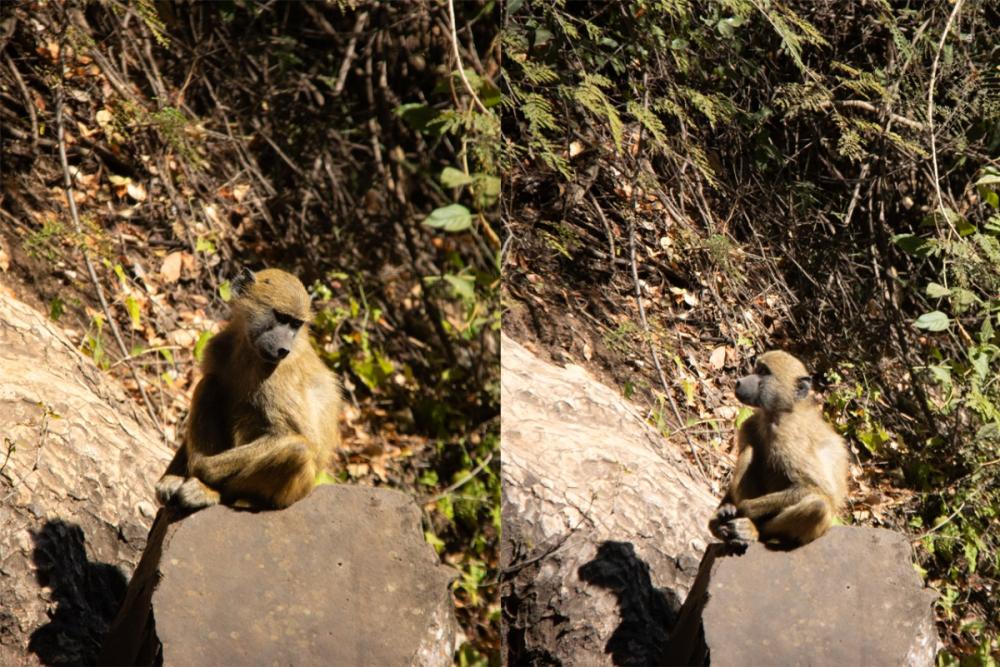
Baby baboons minding their own business
In a welcome contrast, back at our hotel we were greeted by the uplifting sight of an elephant contentedly enjoying a grass supper outside the perimeter.
Supper time: elephants spend up to eighteen hours a day eating
Our hotel was in the Mosi-Oa-Tunya National Park - a predator-free refuge, where elephants are frequently spotted during the dry season (July to September)
Life Force: The Zambezi River
The gold, fiery hues of Zambezi sunsets
Flowing over 2,500 kilometres from Zambia to the Indian Ocean, the river is a vital artery and life source for millions of people, supporting agriculture, tourism and fishery sectors across eight South African countries.
Kaleidoscope Of Rainbows: Zimbabwe Falls
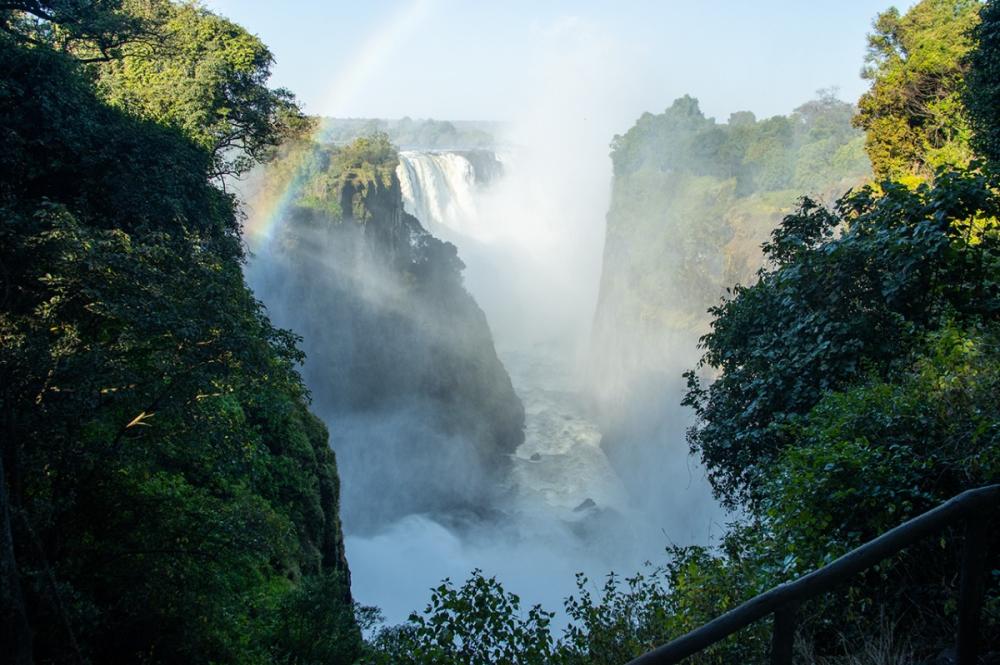
Panoramic vistas can be enjoyed at every viewpoint
Just a short distance from Victoria Falls town, a key tourist hub, there are sixteen different viewing points along the 1.7 kilometre rainforest trail compared to three viewpoints (17-19) in Zambia.
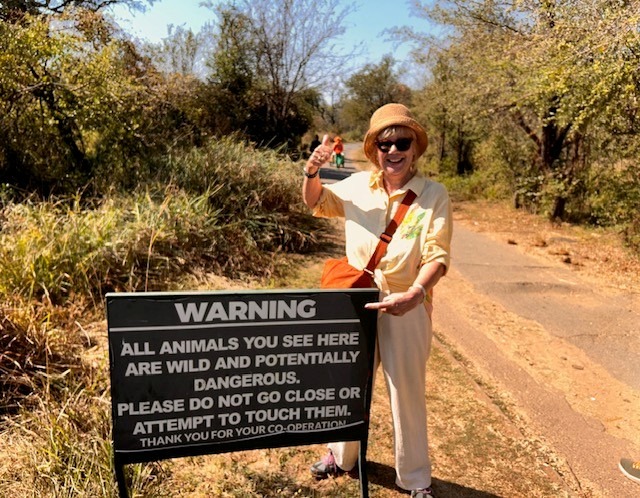
Here we go again… dangerous animals warning
The town and falls lie within the Victoria National Park where wild animals like buffalo, baboons and snakes roam freely on roads and hotel grounds.
On our one-night stopover, we were advised not to venture even a few hundred yards down the road for take-out pizza.
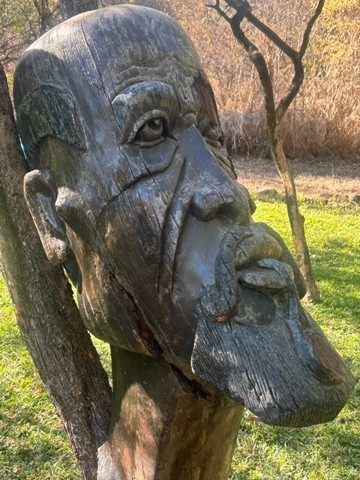
Local crafts preserve heritage and traditions
The unique arts and crafts symbolise the mystical world and spirituality of the Shona tradition – a rich cultural heritage comprising ceremonies, music and dance, ancestral worship and art and language.

Pioneer who fiercely opposed the salve trade: David Livingstone
As privileged visitors, we have much to thank him for affording us this experience. Little did he know when seeing the falls for the first time that his discovery would be was pivotal in many ways which included spreading knowledge of African culture.
Hungry to learn more, the Livingstone museum gave us a fascinating insight into the pioneering missionary.
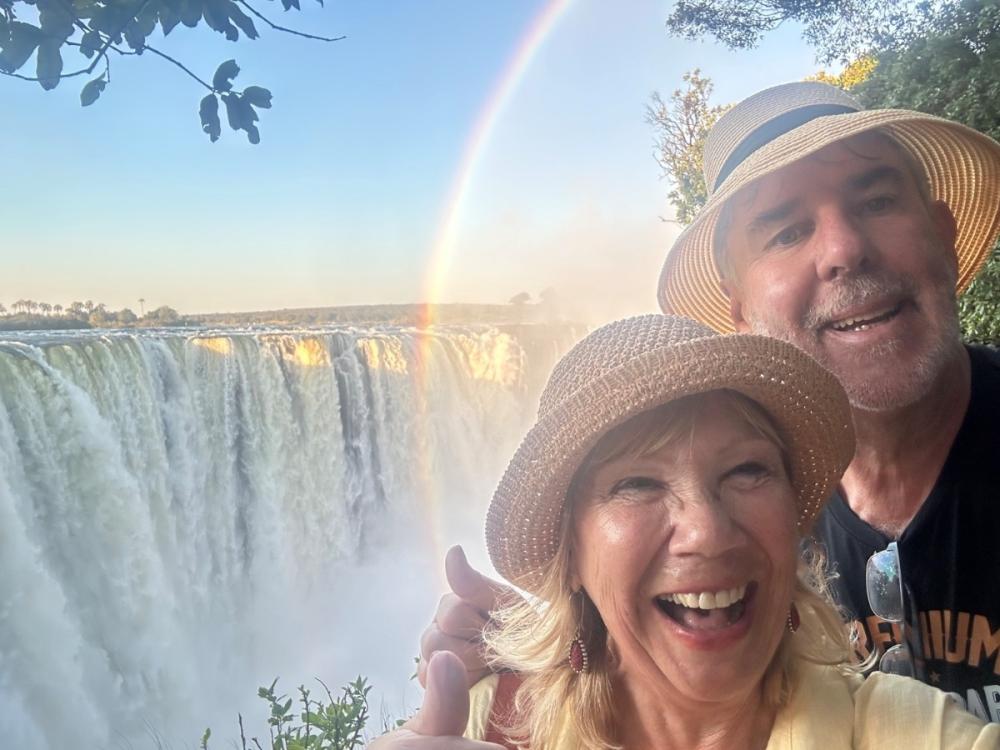
The Zimbabwe falls are nothing less than spectacular and I was enchanted by beautiful, deep coloured rainbows, created when sunshine passes though the spray.
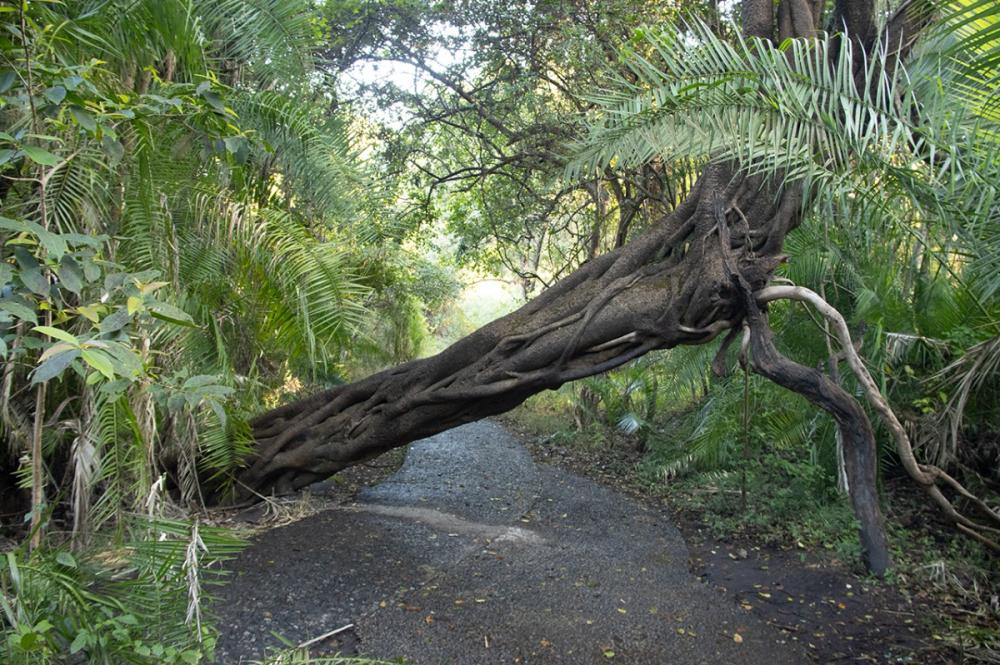
The park’s woodlands are home to wide-ranging bird species
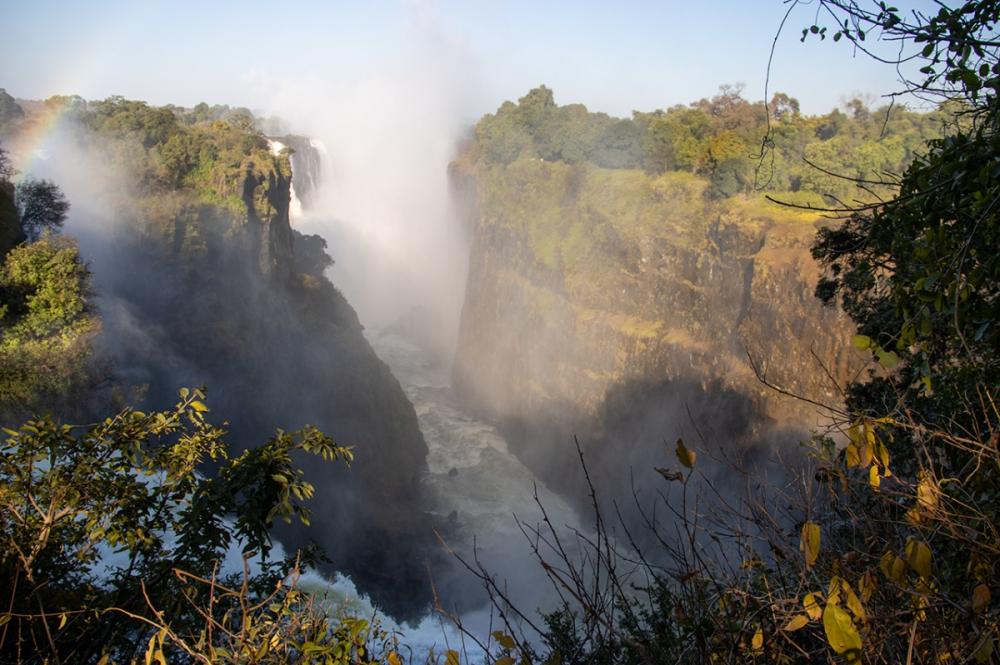
Evocative mists of time: plumes of smoke rising from the waterfall
Less frenetic and packed than in Zambia, the copious viewing points enabled us to absorb this majestic, indomitable force of nature which remains impervious to the passing of centuries and civilizations.
For information on flights from Johannesburg to Livingstone visit Skyscanner
For information on Victoria Falls visit this link
For accommodation at Victoria Falls Zambia and Zimbabwe, check out providers including Booking.com and Trivago
Also by Sharon Cain...
Motorhoming Switzerland: Mingling With The Rich In St MoritzThe Car Man: Roaring With Sexuality, Lust, And VengeanceLush Islands, Medieval Walls, Cascading falls: Croatia's Sensory FeastGruesome, Grisly, Gory : The Silence Of The LambsBeautiful, Vibrant, Bold - So Why Does Barbados Leave Me Cold?The shortened address for this article is: newspub.uk/220a2
Search Results