



search
date/time

Sat, 10:00AM
overcast clouds
16.4°C
SSW 2mph
overcast clouds
16.4°C
SSW 2mph
 | Sunrise | 5:13AM |
| Sunset | 7:11PM |  |
P.ublished 7th March 2024
frontpage
Survey Reveals That Two Thirds Of Young Brits Don’t Have Any Hobbies
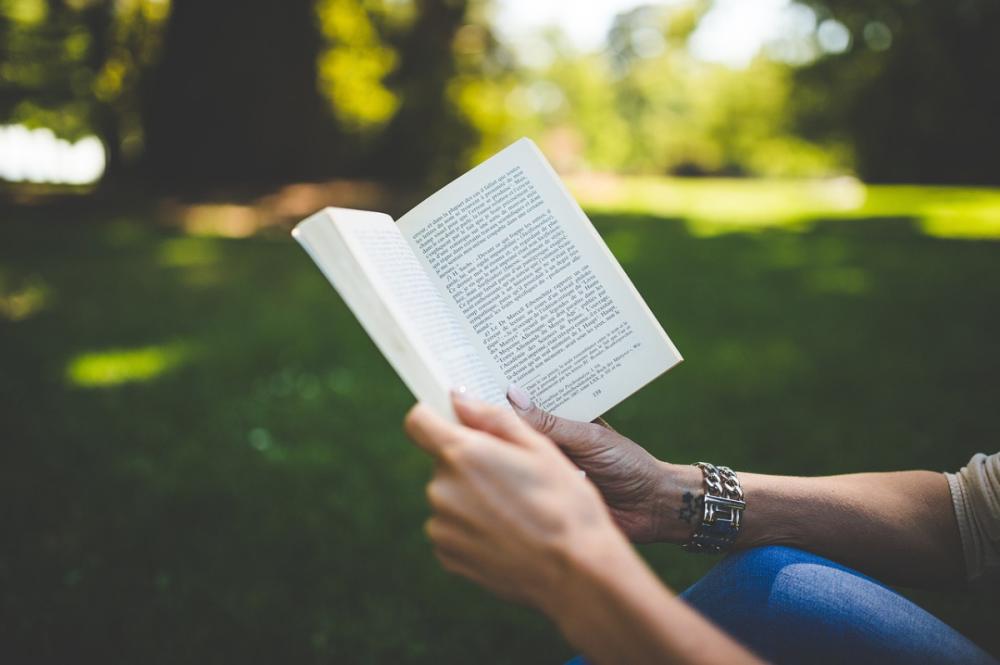
Image by Pexels from Pixabay
This comes after reports of nearly one-third of 16-24 year olds in the UK (31%) admitting some experience of depression or anxiety in the last year.
And whilst the UK is still a nation of traditionalists when it comes to their hobbies, with reading, walking, cooking, baking, and journaling also among the most popular pastimes.
The study found that almost half of 18 to 24-year-olds are unable to find hobbies or activities to entice them, which may be impacting the generation's mental health, according to a recent study by Birda.
Over two thirds (67%) of young Brits admit to not reading in their spare time
Although reading came out as one of the most popular pastimes that 18-25 year old Brits say they turn to in order to relax, 67% out of the 19% of young Brits who report having a hobby say they do not read for pleasure.
In comparison, two fifths of those aged 61+ enjoy reading in their downtime. 65-79 is also the happiest age group for adults in the UK, according to Office for National Statistics research.
The Reading Agency reported that young adults with lower levels of literacy are more likely to believe that they have little impact on political processes, and are less likely to participate in volunteer activities.

Photo by Christin Hume on Unsplash
Over three in four (78%) of young Brits don’t have a journal
Despite journaling being well known for being a positive stress buster, over three in four Brits aged 18-25 who do enjoy hobbies have yet to pick up the healthy habit (78%).
As well as helping with problem solving and personal growth, journaling is great for cognitive function and easing anxiety. Almost a quarter (24%) of 41-60 year olds lean towards writing to relax in their downtime.
“Engaging in activities that YOU enjoy is a great way of escaping the day-to-day routines and responsibilities. This time to switch off can help with lowering stress levels; reduces anxiety; gives you space and time to process; and also promotes mental wellbeing.
“Pursuing your own hobbies is crucial for personal fulfilment by giving you the opportunity to engage in something that you are passionate about or makes you happy."
Less than a third (30%) of young Brits don’t or aren’t regularly walking
Walking is well known for its positive mental and physical health qualities, however, less than a third of those surveyed aged between 18 and 24 (30%) say they enjoy walking as a regular way of relaxing and unwinding.
A study conducted by the American Psychological Association, revealed a 25% lowered risk of depression among adults who got the recommended amount of physical activity per week—about 2.5 hours of brisk walking. Getting more exercise than that did not seem to confer extra mood benefits.
Cooking and baking is the most popular hobby amongst young Brits
Cooking and baking (34%) ranked the highest in young adults' favourite pastimes, which is known to stimulate the senses, and boost self-esteem.
The Alzheimer's Society revealed 38 million Brits have turned their hand to baking in the last year, with young people taking up the hobby the most, with Gen Z (16–24-year-olds) spending an average of more than 5.5 hours a month in the kitchen.
In contrast, cooking and baking ranked least popular among 41-60 year olds, who instead lean more towards reading in their free time.
“Having your own hobbies, away from family, is also a great way of introducing balance into your life as it is dedicated and protected time for you to focus on what you want to do; prioritise yourself; and think about your own emotional needs. In this respect, hobbies can be a great way of introducing self-care and preventing burnout.
“Self-identity is strengthened because hobbies allow you to engage in what you enjoy; what sparks you; and what makes you feel good. This is important especially when so many people feel they have lost themselves and who they are in the hustle and bustle of a family life.”
For more information click here
Research carried out by Adobe Express
The shortened address for this article is: newspub.uk/21ov6
Search Results