



search
date/time

Wed, 1:00PM
light rain
14.7°C
W 9mph
light rain
14.7°C
W 9mph
 | Sunrise | 5:45AM |
| Sunset | 6:26PM |  |

Phil Hopkins
Commissioning Editor
@philhopkinsuk
P.ublished 13th June 2026
travel
The Price Of Danish Happiness
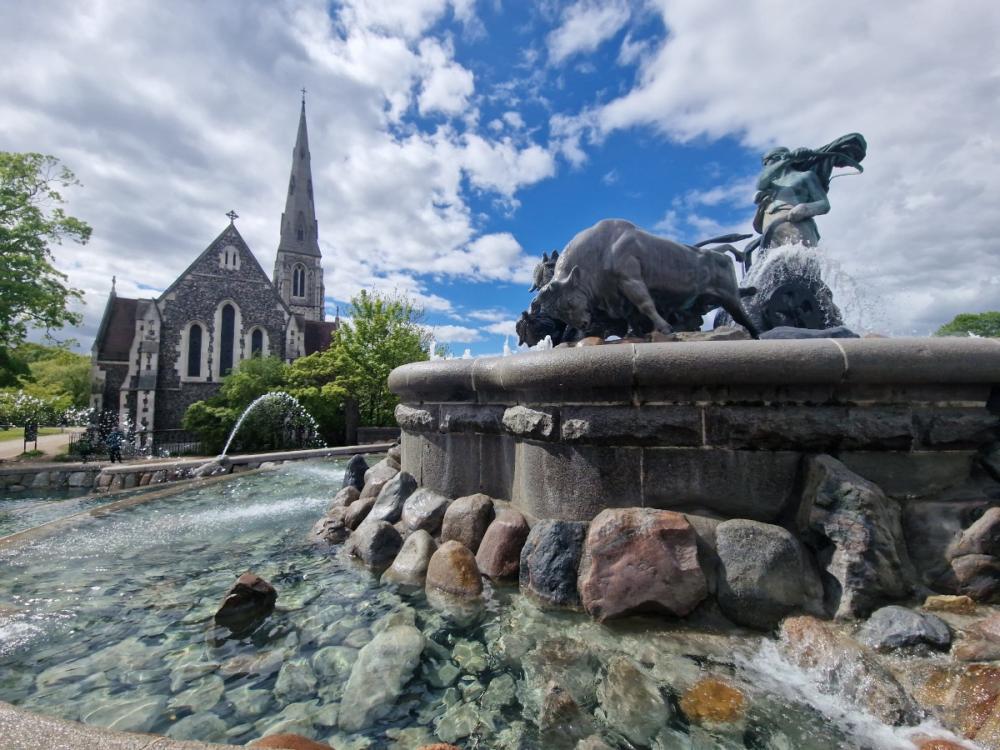
Copenhagen's Gefion Fountain with the English Church in the background
It begs the question as to whether a joyful life genuinely lies in handing over half your wage each month or whether continuing the fight against what many consider to be burgeoning taxes has more chance of producing a higher dividend!
From the ancient tombs of Roskilde to the sleek canals of Copenhagen, learning about the strange, comforting reality of the Danish social contract is a fascinating and enlightening journey.
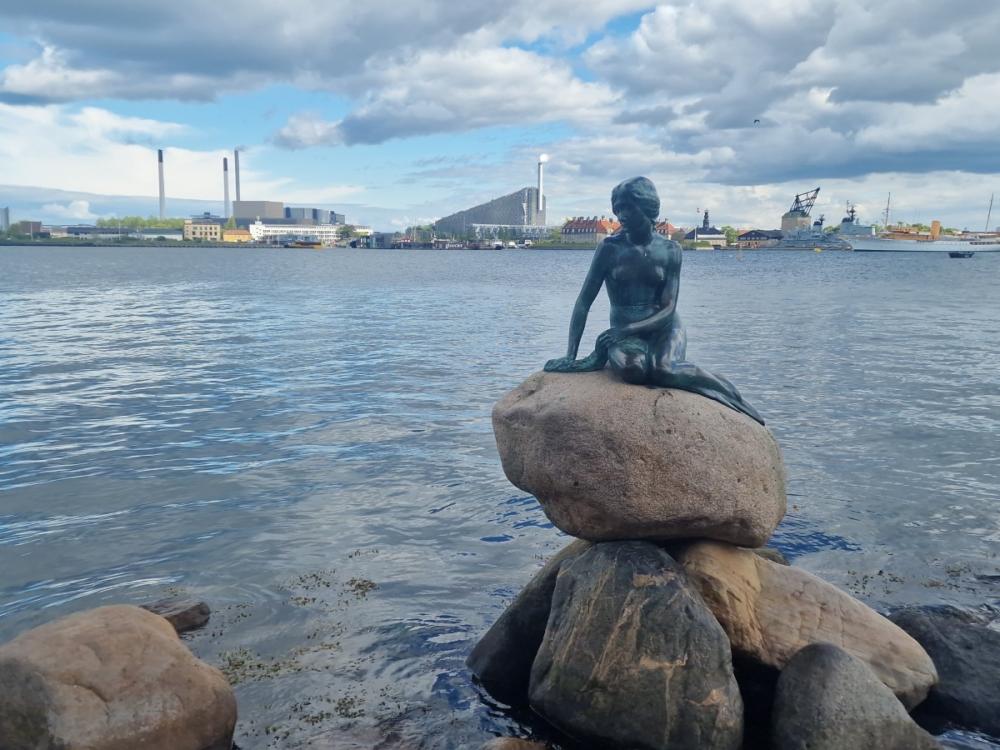
Edvard Eriksen's iconic The Little Mermaid statue, so symbolic of Denmark's capital.
By any conventional capitalist metric, this should breed a disgruntled, stifled populace. Yet, year after year, international indexes deliver a definitive verdict: the Danes are among the happiest people on Earth.
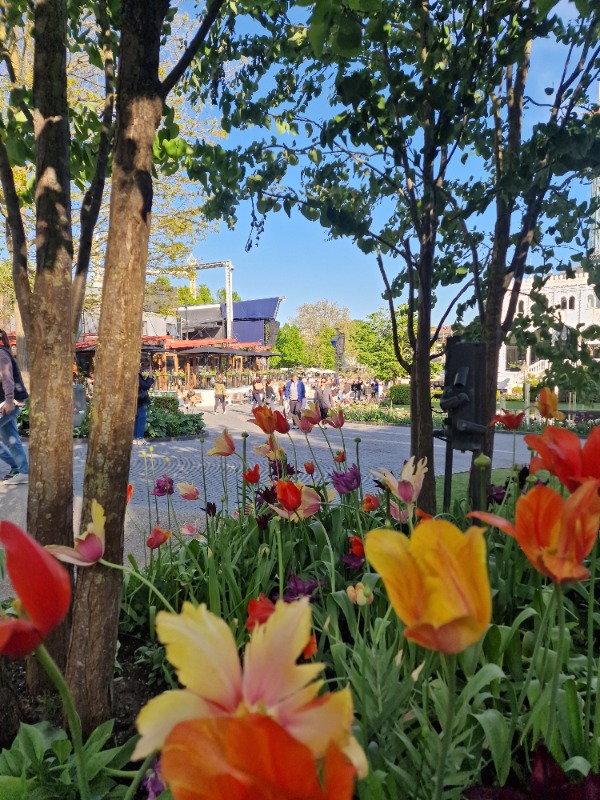
The Tivoli Gardens in bloom
However, to understand this profound paradox, one must leave economic spreadsheets behind and journey into the landscape where this societal contract was originally forged—a journey that began, for me, just 30km west of Copenhagen, in the historic cradle of Roskilde.
Arriving in Roskilde, the air feels crisp, rolling off the fjord with clean clarity. My base is the Comwell Hotel (www.comwell.com), a sanctuary of understated Nordic functionalism tucked neatly into the greenery. It is a place that immediately signals efficiency and comfort, but the historic heartbeat of the city lies just a short distance away.
Choosing a modern Danish approach to transit, I use an electric bike courtesy of Hedeland MTB (www.hedeland-mtb-tours.dk) to cycle 20 minutes from the hotel to the city centre, pedalling effortlessly along pristine, dedicated cycle paths.
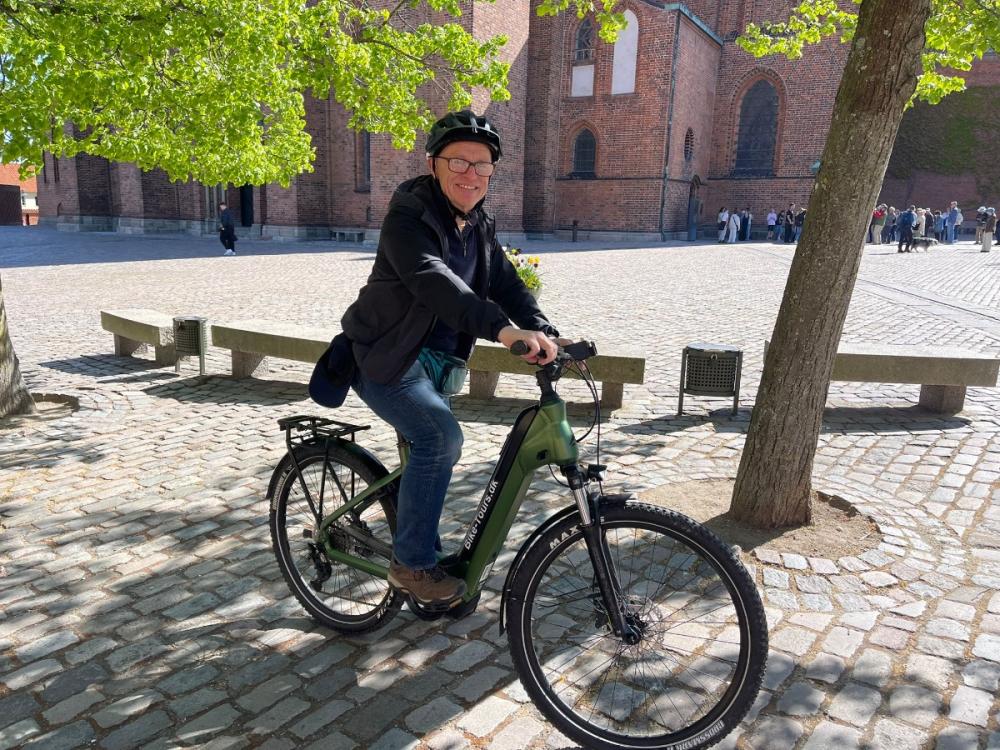
“The government said ‘never again', and Denmark’s commitment to cycle power began.” Now, the country, like the Netherlands, has an enviable network of cycle lanes and bike signals and a population committed to pedal power, giving an instant realisation as to where those high taxes go: the infrastructure is not merely functional; it is democratic, prioritising the cyclist and the pedestrian with smooth, frictionless engineering.
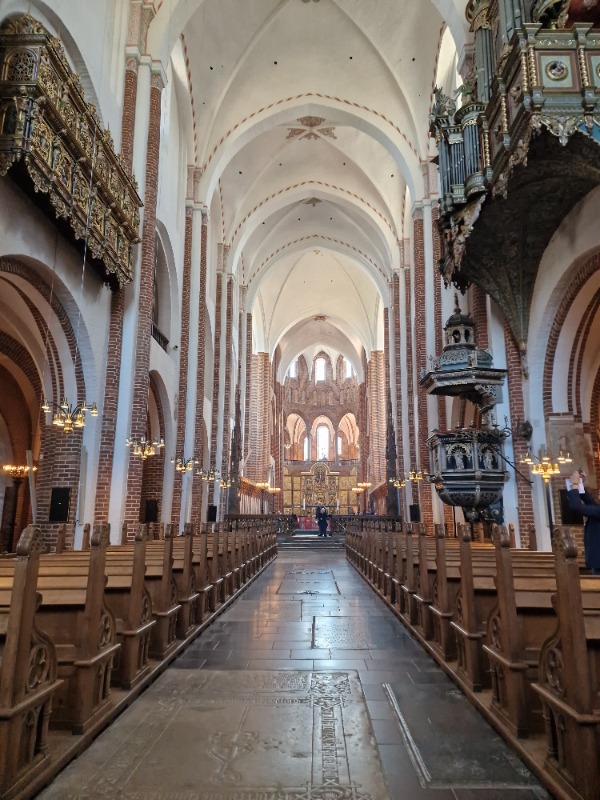
My destination is the towering, twin-spire silhouette of Roskilde Cathedral. A UNESCO World Heritage Site, this magnificent Gothic brick masterpiece serves as the final resting place for 40 Danish monarchs and 100 Royals (www.roskildedomkirke.dk/english).
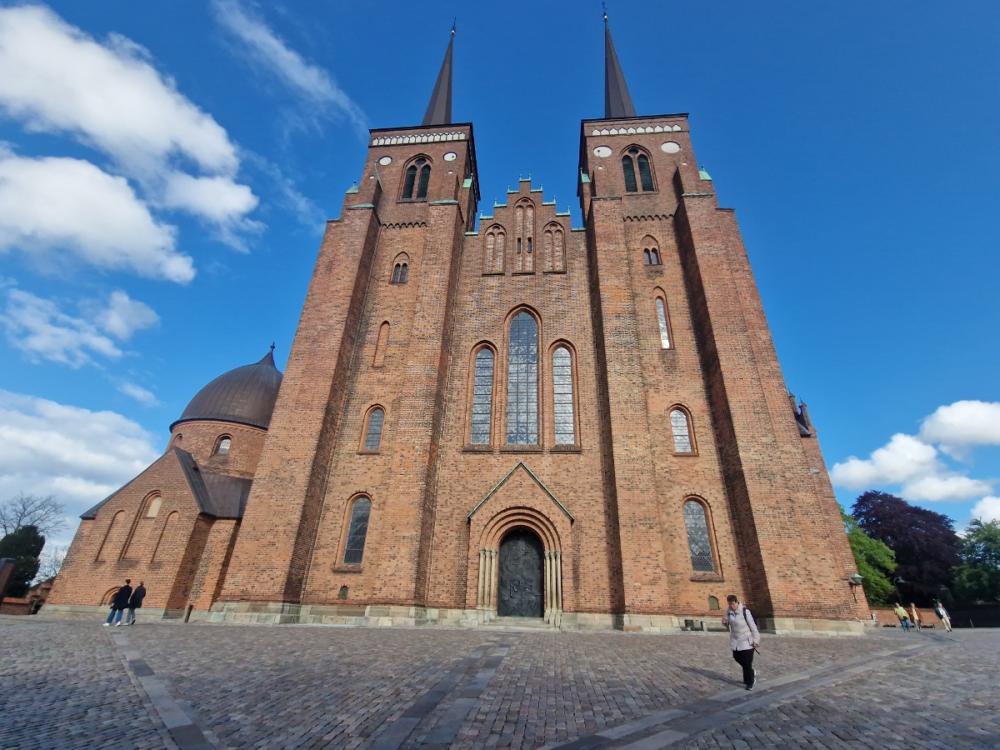
Roskilde Cathedral's...
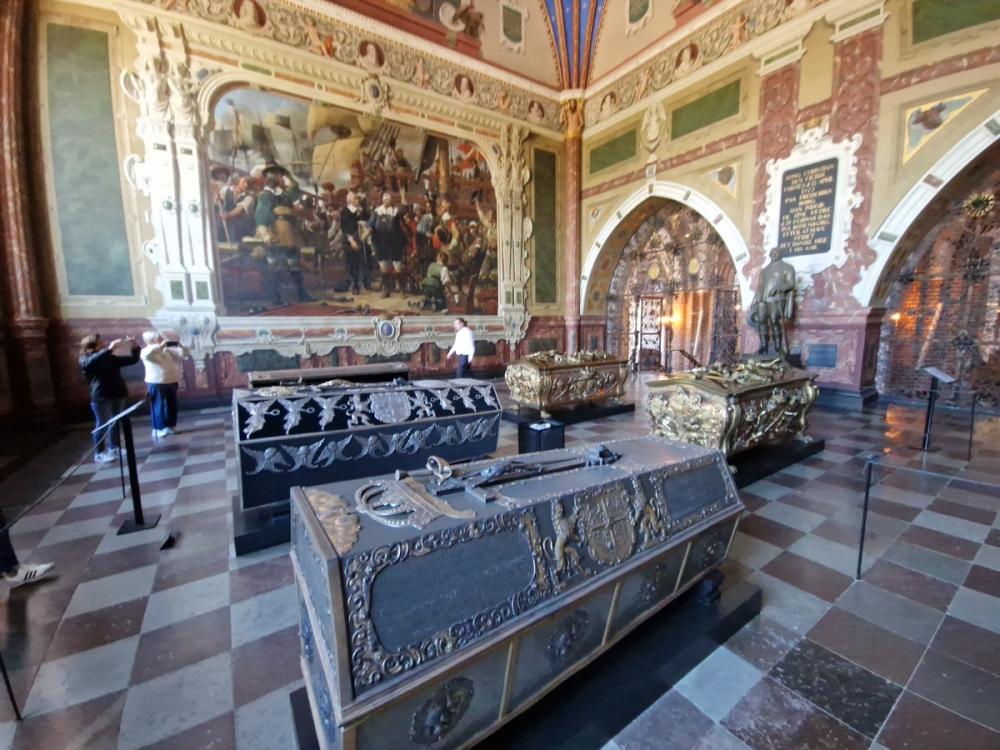
Gothic Glory
Sara Peuron-Berg, the Cathedral’s Head of Interpretation, is my guide. “This is definitely the most important church in Denmark,” she purrs proudly. “Legend has it that King Harald "Bluetooth" Gormsson, the 10th-century Viking king who famously united Scandinavia, was brought back from Poland and buried here…but we have no bones!”
He was the perfect analogy for a technology designed to ‘unite’ devices like PCs and cellular phones with a short-range wireless link. My phone pinged. Fortunately, my UK minutes were all inclusive for Denmark!
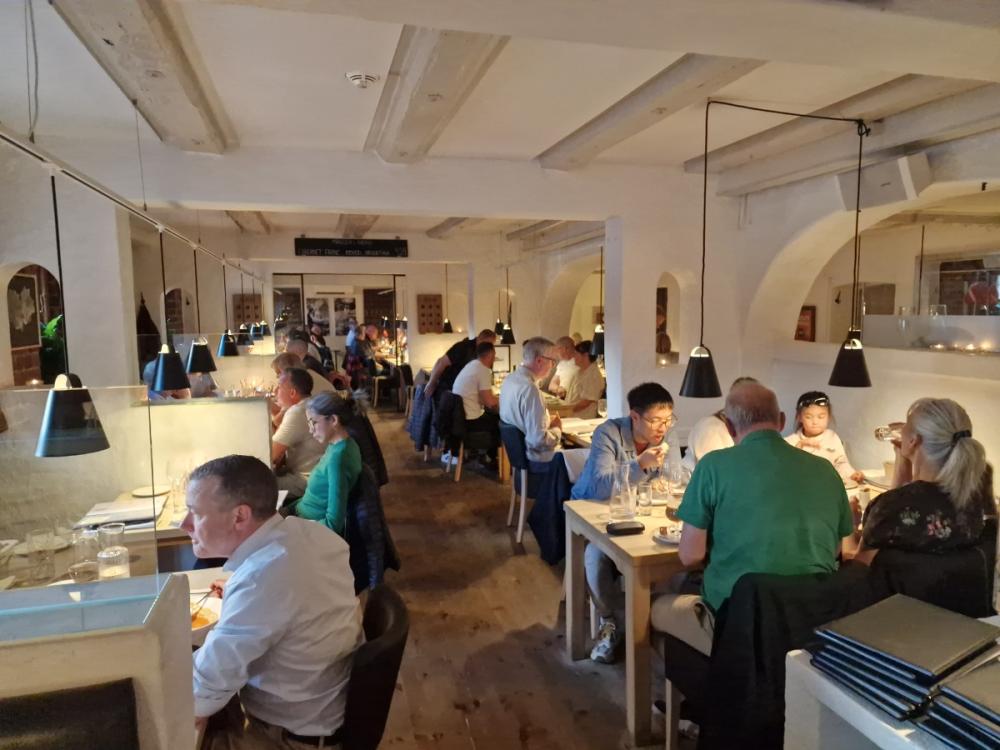
After a morning immersed in royal mausoleums, I meander to neighbouring Restaurant Raadhuskaelderen where Emile Rasmussen is my host (www.raadhuskaelderen.dk).
Located in the shadow of the old town hall, this atmospheric cellar restaurant feels like a step back in time.
Originally a hospital wing for a monastery, this 80-cover restaurant has been dispensing Danish/French cuisine to around 220 diners a day since the late 1980s. Born and raised in Roskilde, Emile proudly uses local suppliers, including the Herslev Brewery.
.jpg)
Restauranteur Emile Rasmussen
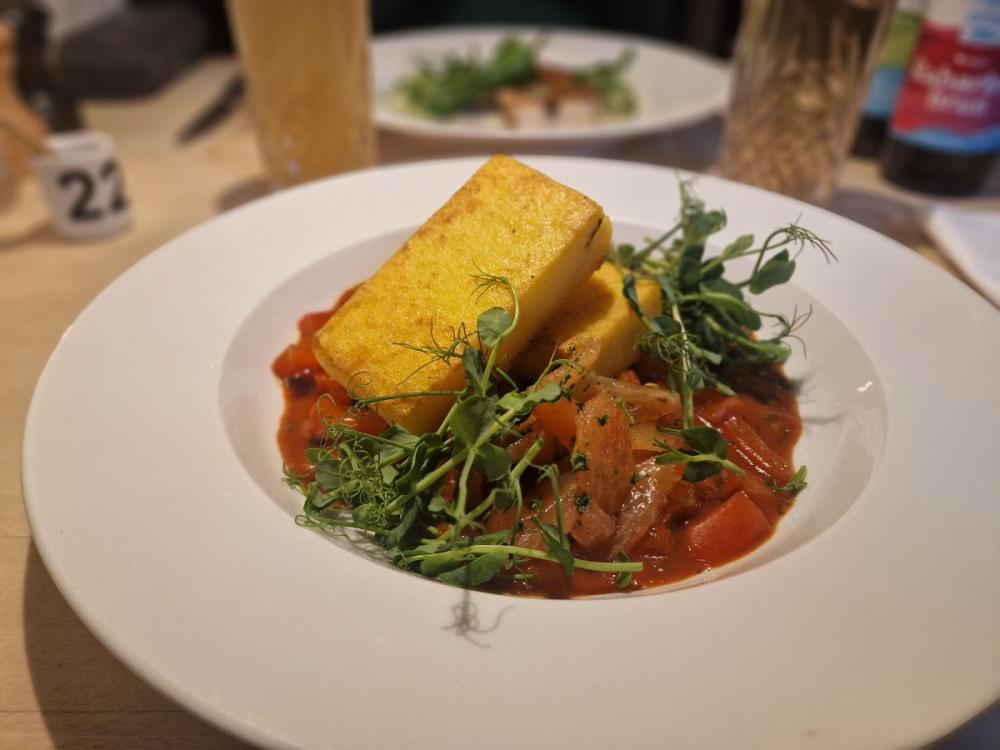
"We don't pay taxes," one chap tells me. "We buy quality of life. It’s an investment in a society where nobody is left to drown."
Education in Denmark is completely free, and remarkably, university students are paid a monthly stipend (the SU) by the government to study. The level varies depending on whether you live with your parents or alone but, either way, the systemic anxiety that plagues much of the Western world regarding student debt or healthcare bankruptcy is entirely absent here.
The high tax rate ceases to look like a burden and starts to resemble a massive, nation-wide insurance policy.
Of Kings and Longships
The next morning, our hire car proves its worth as we drive out into the rolling, mythical landscapes of Lejre. At the Lejre Museum, the deep time of Denmark opens up. This is the territory of legendary Iron Age kings, the real-world setting that inspired the epic of Beowulf (www.lejremuseum.dk).
.jpg)
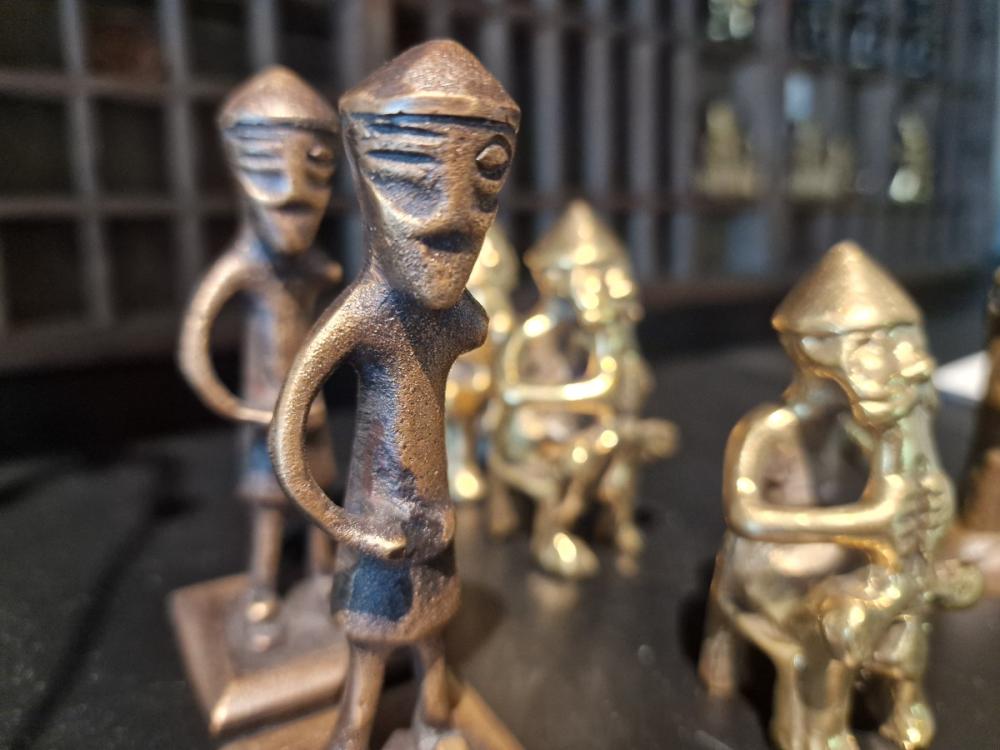
An Iron Age legacy
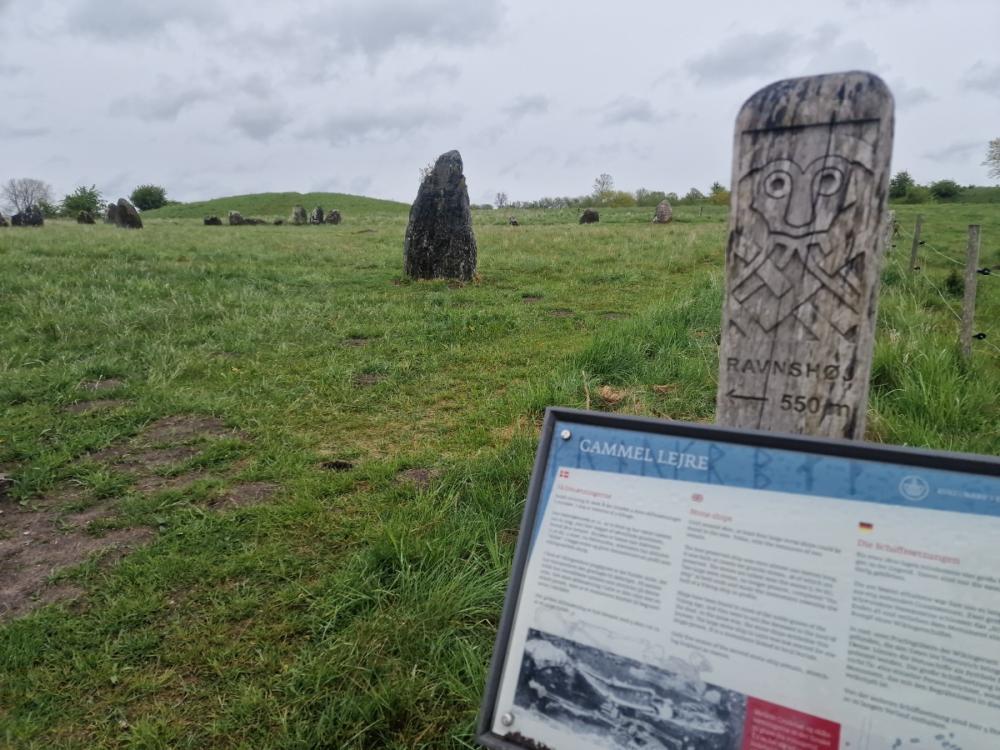
The museum brilliantly details archaeological finds – some seven great halls- that reveal a sophisticated, highly organised tribal society that valued communal loyalty above all else.
Just a short distance away lies Sagnlandet Lejre (The Land of Legends), an expansive open-air museum where history comes alive through meticulous experiential archaeology.
“That sounds like a Yorkshire accent,” said the lady at reception, recognising my dulcet Yorkshire tones. “I’m from York,” she added. “I’ve been living here for 35 years. Enjoy!” (www.sagnlandet.dk).
Walking among reconstructed Iron Age cottages and sacrificial bogs, the crowning jewel is Denmark’s largest Viking Hall—a breathtaking, monumental timber structure reconstructed on the exact site where its ancient precursor stood.
Standing inside its vast, cavernous belly, one can almost hear the echoes of ancient feasts and see the origins of a culture deeply rooted in tribal solidarity and shared resources.
Equally, the area’s maritime prowess is brought to life vividly back on the water at Roskilde’s Viking Ship Museum (www.vikingeskibsmuseet.dk).
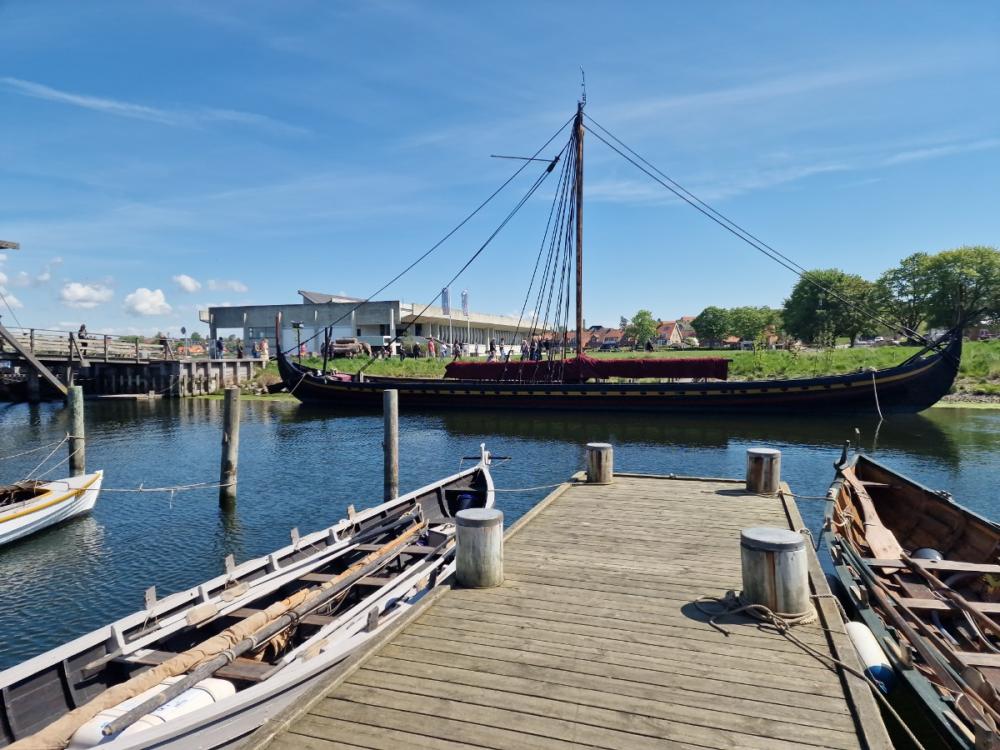
Traditional boat building...
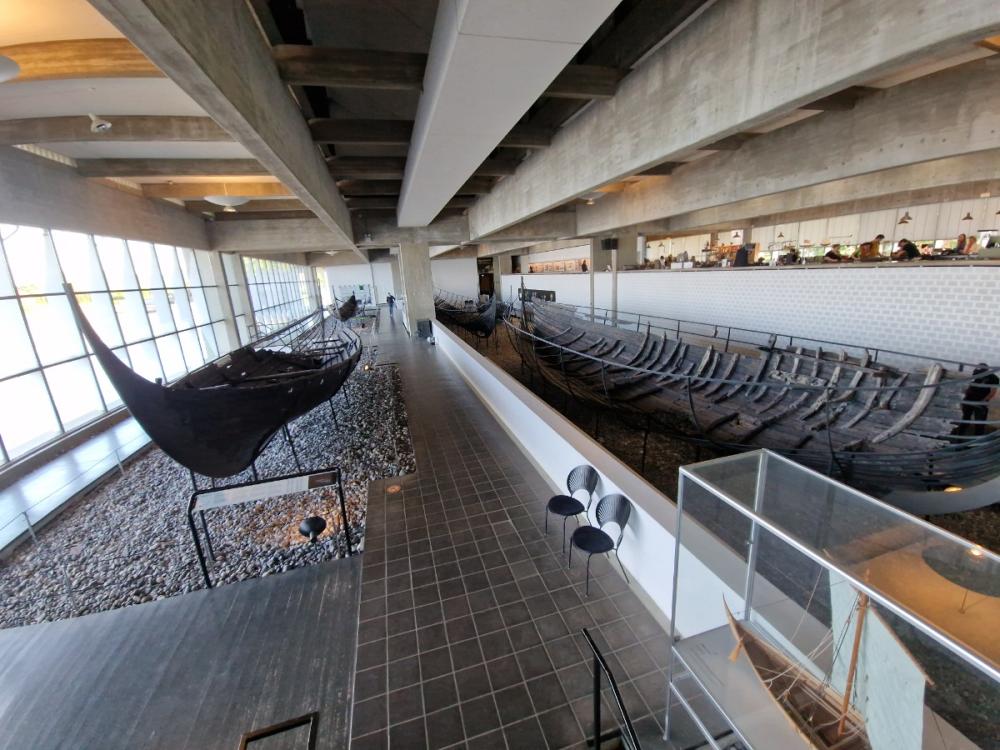
at the Viking Ship Museum...
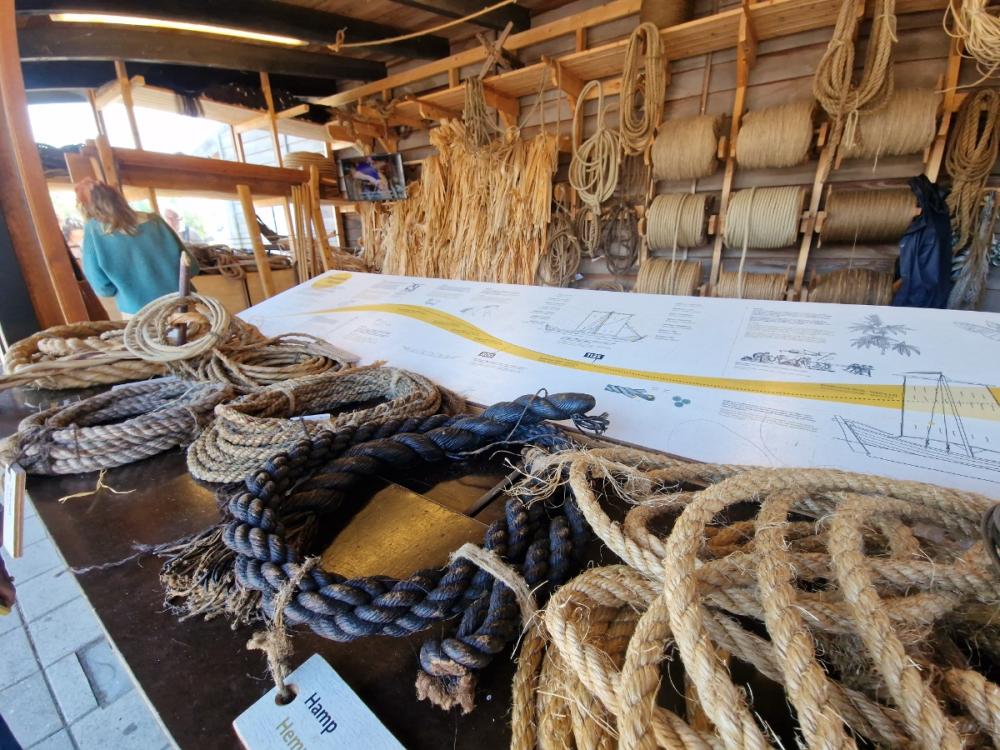
where ancient skills live again.
Here, five original 11th-century Viking ships, salvaged from the bottom of the fjord where they were deliberately scuttled to block invaders, are displayed with breathtaking minimalism.
But the museum is not a stagnant repository. Out on the docks, craftspeople build flawless historical reconstructions using traditional tools.
I step aboard one of these meticulously built wooden longships, pulling on an oar as we glide out into the choppy waters of the Roskilde Fjord. It quickly becomes clear that cooperation has always been a survival mechanism in the harsh Nordic climate.
A Viking longship could not sail without every single person pulling in absolute harmony; it is a philosophy that seems to have transferred directly into modern Danish governance but, on that day, ‘unity’ was a word I had to use sparingly as oars clashed and traditional Viking ship sails blew perilously in the wind!
Driving north into the ancient royal hunting grounds of Hornsherred, the historical narrative deepens at Jægerspris Castle. One of Denmark’s oldest royal castles, its whitewashed walls and manicured grounds offer a tranquil retreat www.kongfrederik.dk/museum.
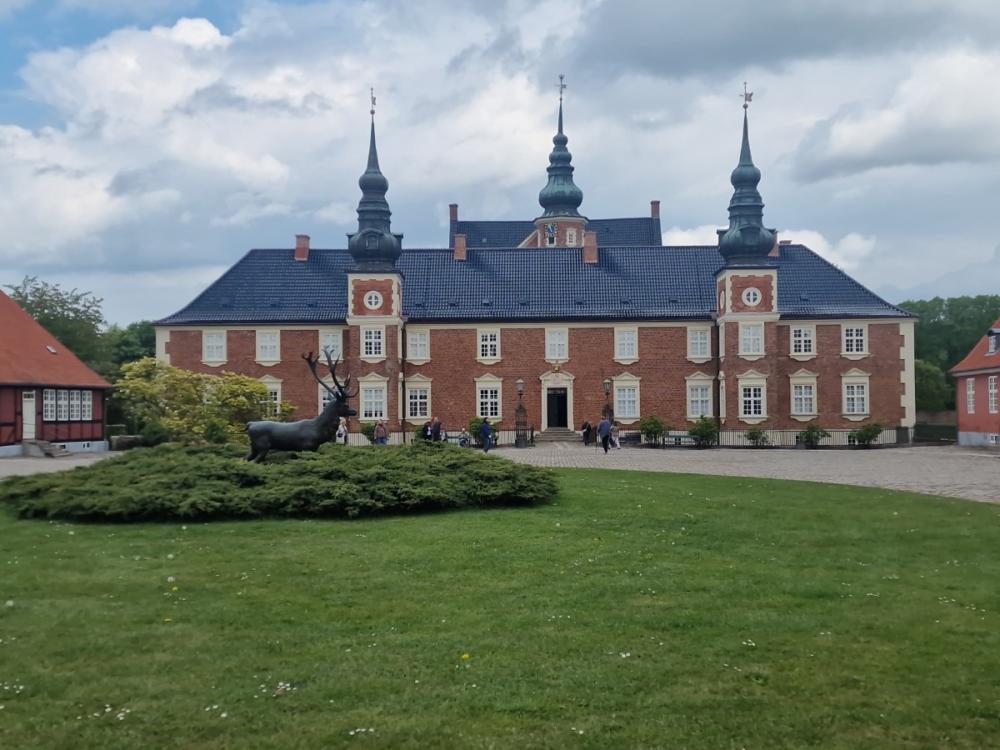
Jægerspris Castle...
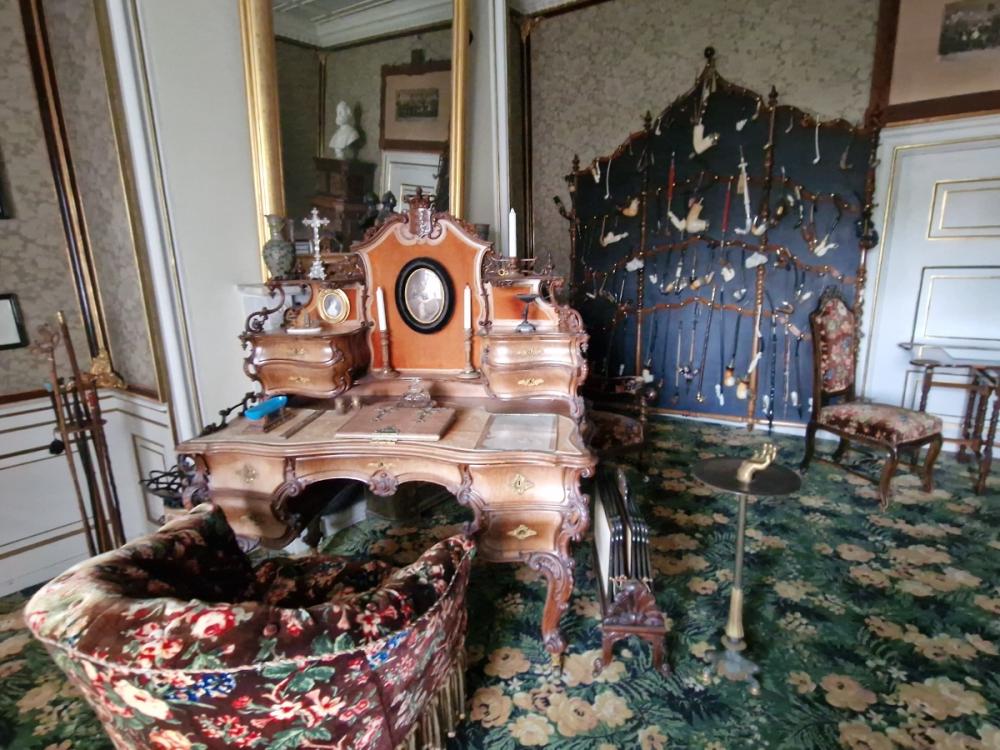
and the secrets of...
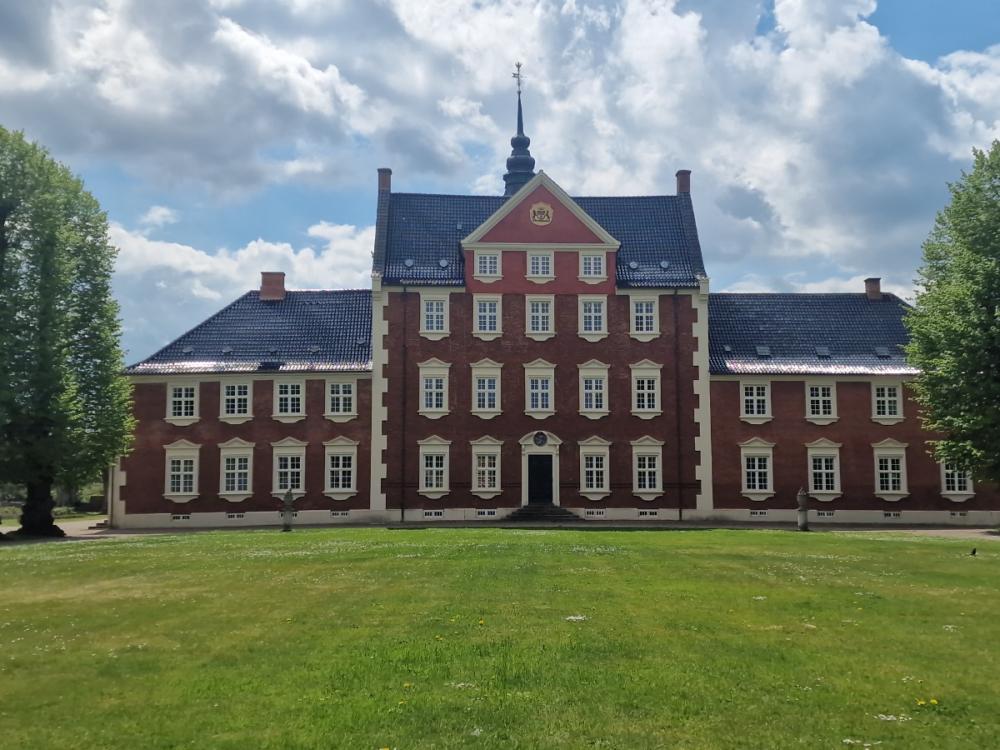
Countess Danner
Our guide, the wonderful Kirsten Arendup, a bi-lingual secretary before her retirement, tells us the fascinating story of Countess Danner, a commoner who married King Frederik VII of Denmark, scandalising aristocratic society.
Nearby, in the adjacent Nordskoven forest, time permitting, you can walk to the Kongeegen (The King's Oak), a gnarled, ancient titan estimated to be between 1,500 and 2,000 years old. It is the oldest living oak tree in Northern Europe.
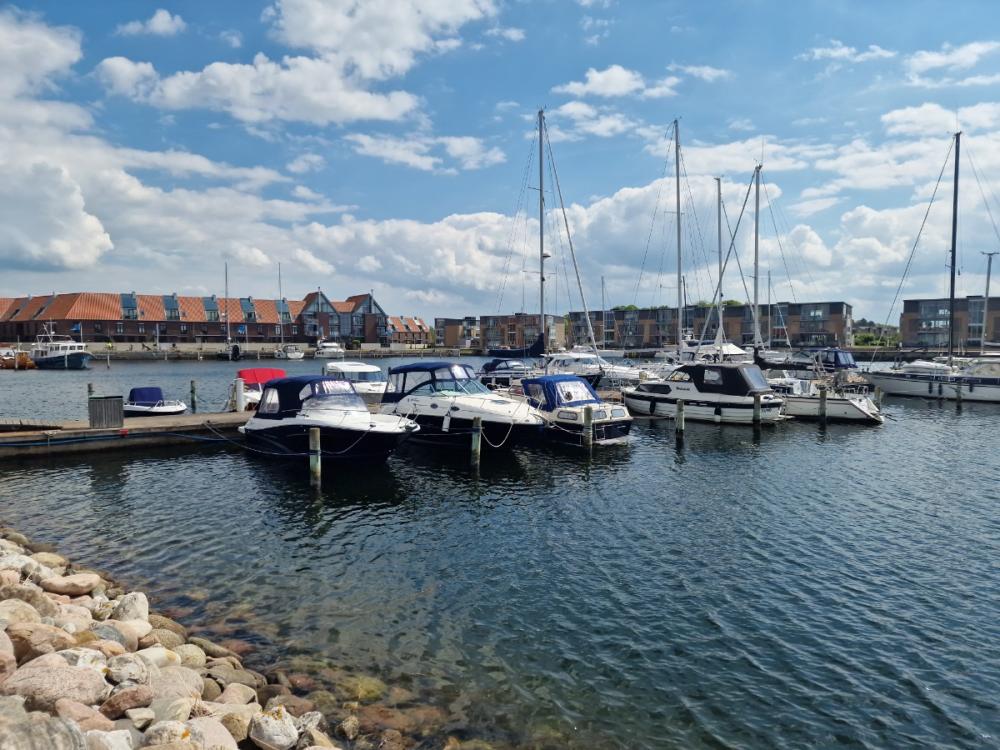
Hungry from the forest air, we make our way to the nearby town of Frederikssund for lunch at Restaurant Toldboden (www.toldboden.nu). Situated beautifully on the waterfront, this historic eatery offers a quintessential taste of Danish hospitality.
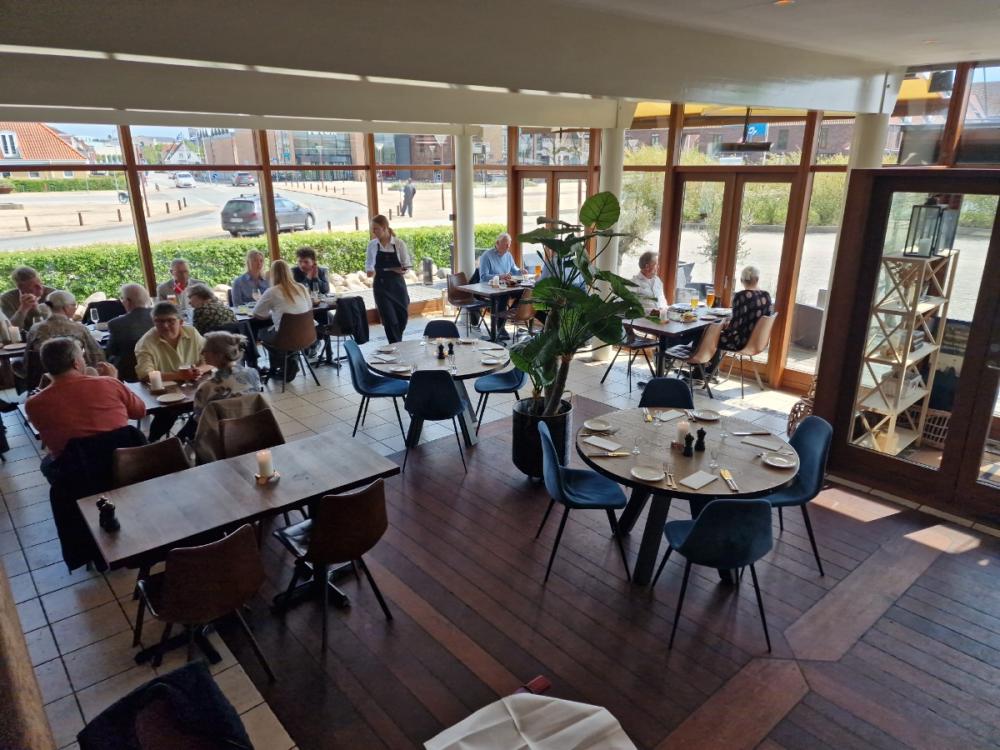
Restaurant Toldboden
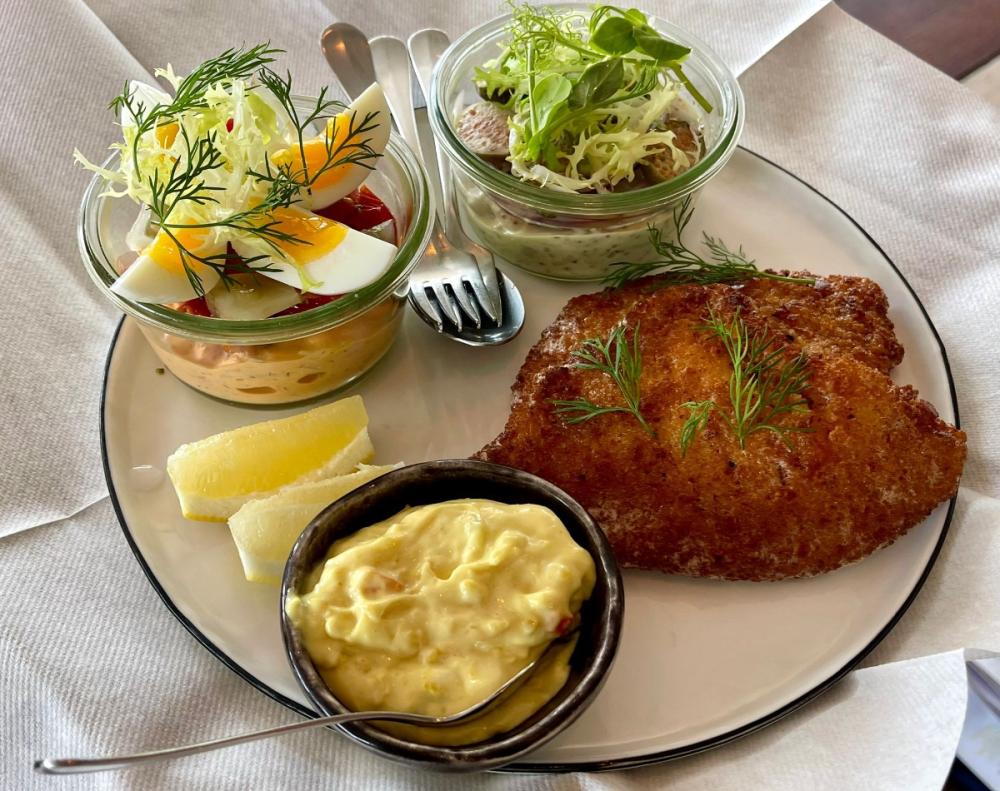
Tastes of Denmark
We are served their famous Toldbodsfad—a magnificent platter overflowing with artisanal herring, smoked salmon, crispy plaice, and locally sourced meats.
It is a feast that embodies the concept of hygge, a cozy contentment found in good food and better company, funded by a society that leaves its citizens with enough peace of mind to truly enjoy the present moment.
The Metropolitan Utopia - Copenhagen
Leaving the fjords behind, we point our hire car toward Copenhagen, crossing into a capital city that consistently feels like a blueprint for a civilized future. Our base here is the Hotel Ottilia; a stunning luxury boutique hotel located in the historic heart of the old Carlsberg Brewery district (www.brochner-hotels.com/our-locations/hotel-ottilia)
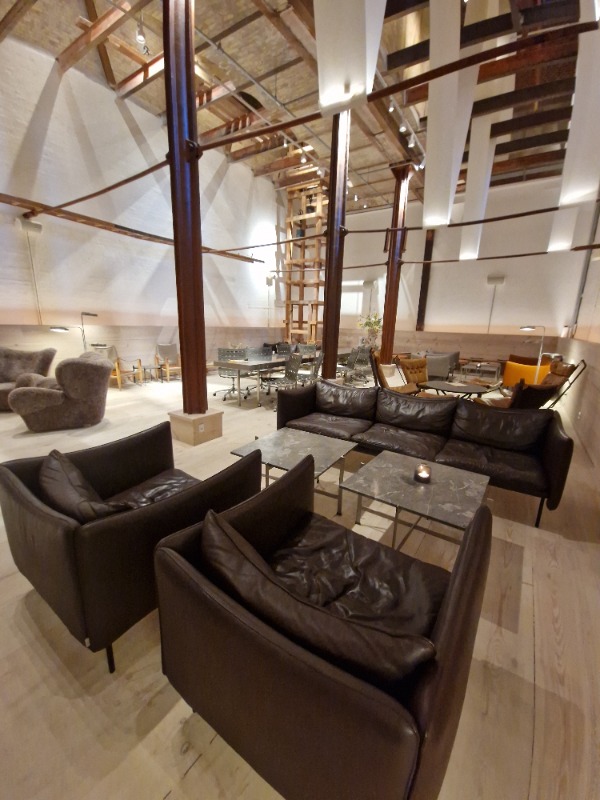
Hotel Ottilia - stylish design
To unpack the intellectual framework of this country's well-being, one of my first stops in the capital is The Happiness Museum. Created by the Happiness Research Institute, this small but illuminating museum explores why certain countries thrive emotionally (www.thehappinessmuseum.com).
The data on display confirms what I have observed on the ground: the secret to Danish happiness isn't endless sunshine or explosive wealth, but the elimination of extreme misery.
High taxes create a flat society where the janitor and the doctor live in the same neighbourhoods, send their children to the same schools, and share the same public spaces. There is no status anxiety.
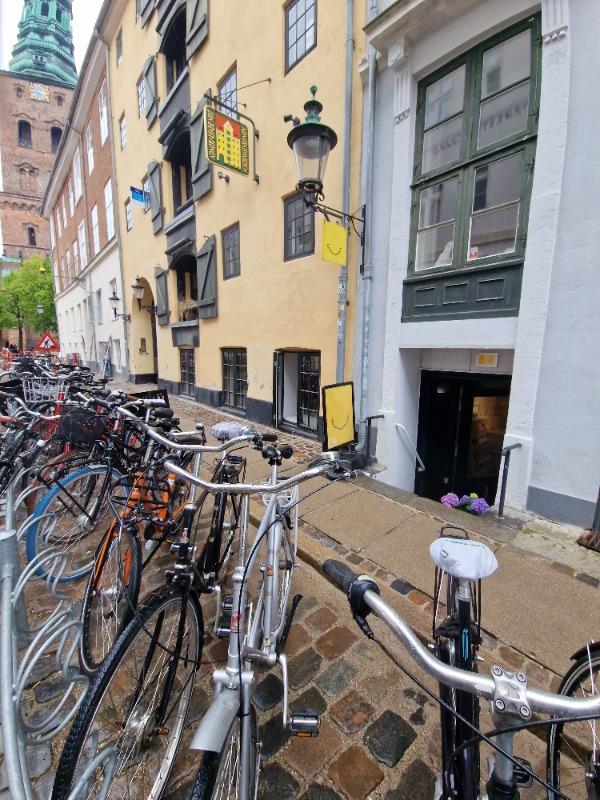
The Happiness Museum
Yet, this luxury is surrounded by accessible public goods. Just outside, the city thrives. We walk through the Denmark Design Museum, which beautifully illustrates how Danish furniture and architecture have always prioritized human utility and democratization over ostentation. Good design, like good healthcare, is viewed here as a fundamental human right (www.designmuseum.dk).
The culinary landscape reflects this same blend of tradition and uncompromising quality. Lunch is a masterclass in the Danish classic at Aamanns Genbo, where the humble smørrebrød (open-faced rye sandwich) is elevated to an art form featuring pickled herring, beef tartare, and seasonal herbs arranged with architectural precision (www.aamanns.dk).
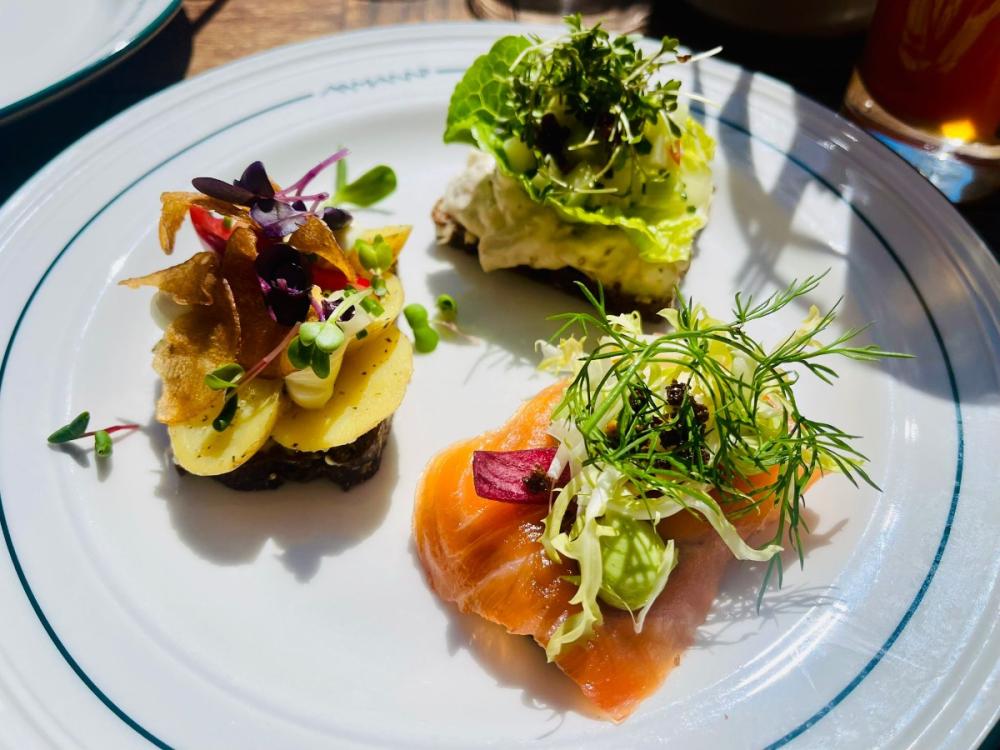
Danish classics - Aamanns Genbo
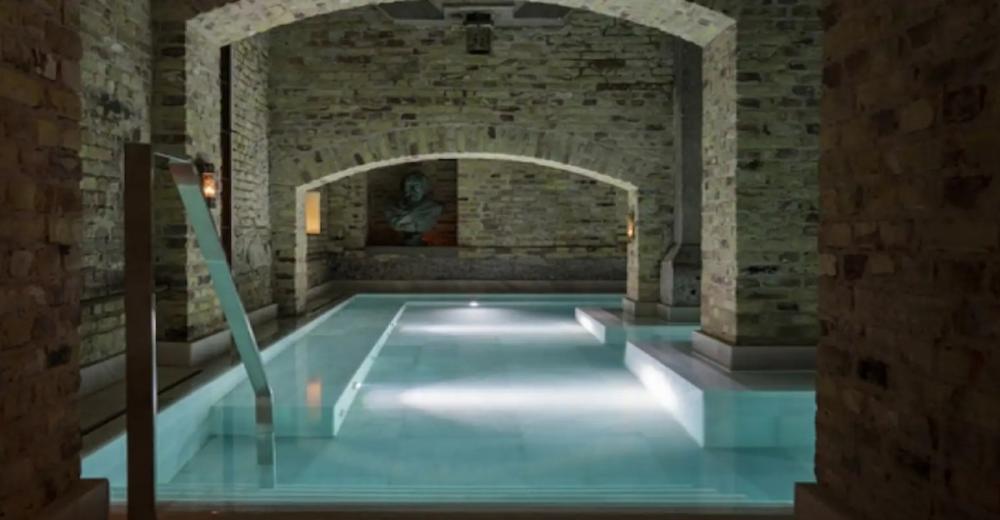
Aire Ancient Baths
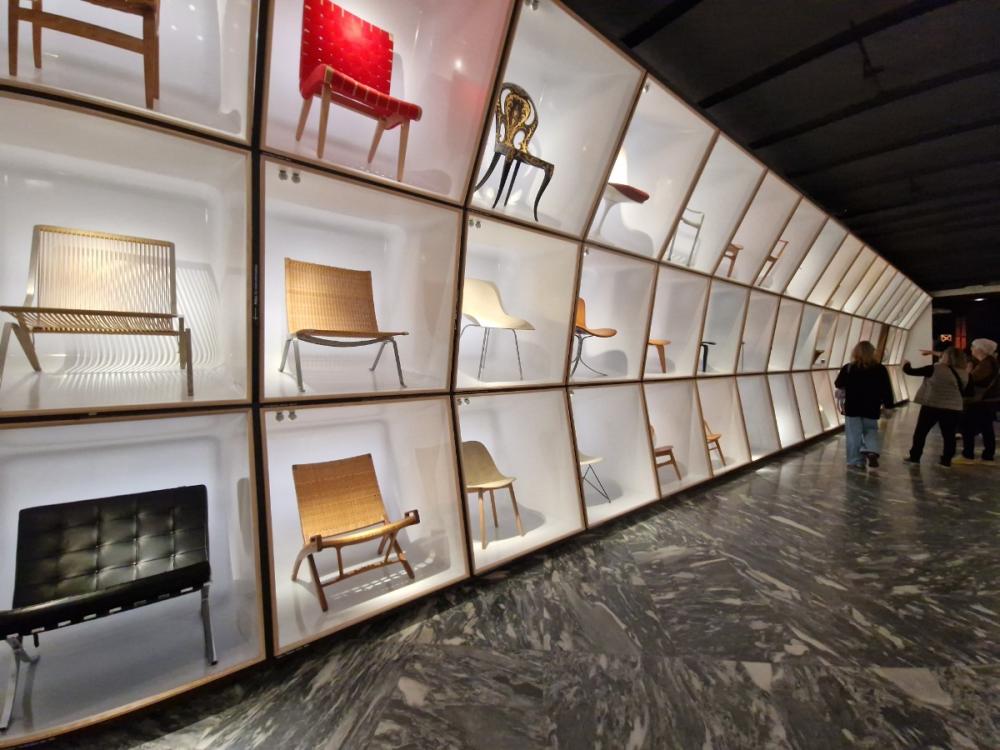
Danish design
Later, we explore the Home of Carlsberg, a state-of-the-art heritage centre that celebrates the global beer giant's history and its unique philanthropic foundation, which pours profits back into Danish science and art (www.homeofcarlsberg.com).
To see the city from its best vantage point, we head to Toldbod Havn and board a self-driven electric Go Boat Cruise, only ours has a teenage captain at the helm. He is on the first of two gap years. “After high school, we work for a year to save for the following year’s travel then it’s off the university,” he explains (www.goboat.dk/en/copenhagen).
Navigating our way through the historic canal network of Christianshavn is a revelation. Clean enough to swim in, the water is lined with houseboats, modern architectural marvels, and old merchant houses.
.jpg)
Christianshaven..
.jpg)
with..
.jpg)
GoBoat
We glide past the moving, educational exhibits of the Museum of Danish Resistance (Frihedsmuseet), which tells the harrowing story of the country's underground fight against Nazi occupation—a poignant reminder of the deep-seated communal courage that underpins the nation's identity (www.frihedsmuseet.dk).
As the sun begins to dip below the horizon, we make our way to the magical, whimsical grounds of Tivoli Gardens. Amusement parks are often commercialised, plastic environments, but Tivoli is a lush, romantic wonderland of historic pavilions and fairy lights (www.tivoli.dk).
We dine at Restaurant Kilden I Haven, soaking in the relaxing atmosphere (www.kildenihaven.dk).
.jpg)
Tivoli elegance
.jpg)
Stylish dining...
.jpg)
and classic thrills
Copenhagen is a beautiful capital, with an almost Stepford Wives cleanliness. I dash to pick up three pieces of litter blowing in the wind. It felt like a moral necessity to do so.
We had sampled the wood-fired sourdough masterpieces of SURT pizza restaurant in the Carlsberg district (www.surtcph.dk), but perhaps one of the week’s highlights was the communal dining experience at Kanal Huset in Christianshavn, where strangers sit side-by-side sharing plates and stories (www.kanalhusetcph.com).
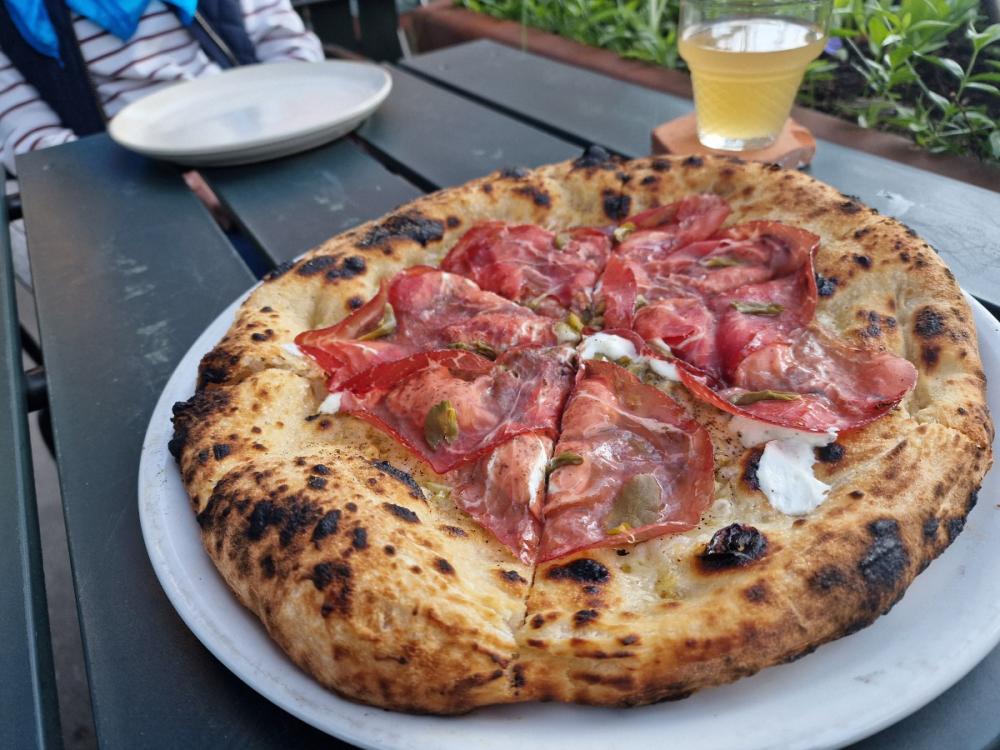
SURTainly good pizza!
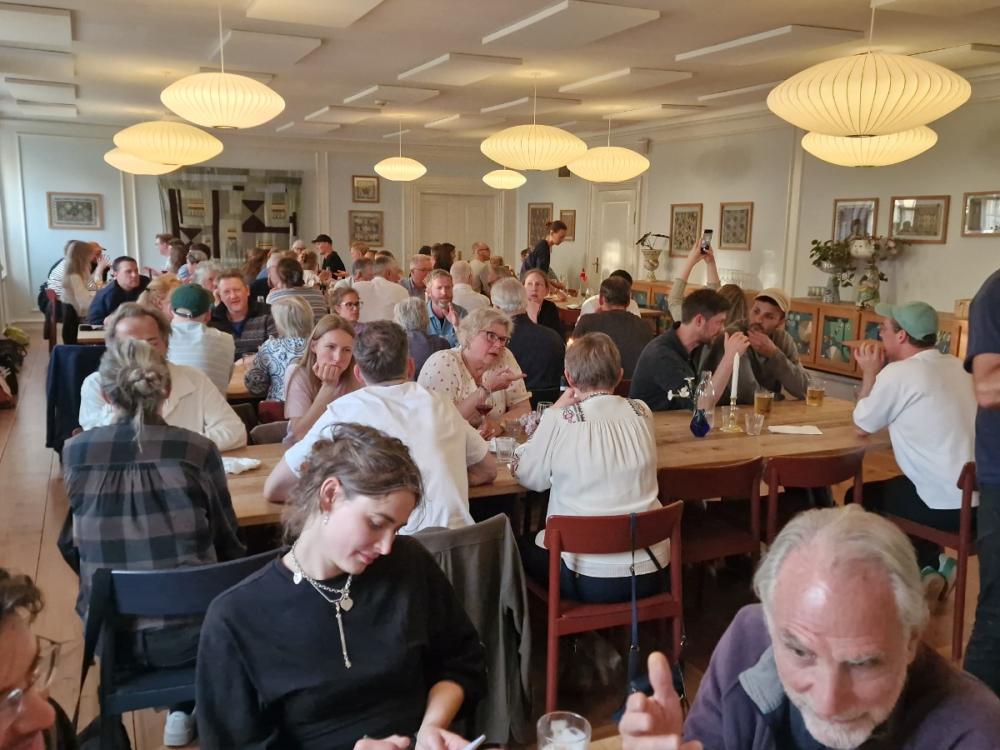
communal dining at Kanalhusetcph.com
We met a retired Danish engineer, a solicitor from The Hague in the Netherlands, in town to prepare for a half marathon, a Texas architect now living in Mexico City and a PhD student from Venice. The conversation was scintillating.
The Return
On my final morning, leaving the comfort of Hotel Ottilia, I do not call a taxi. Instead, I walk a few blocks to the nearest station and board the clean, driverless Copenhagen Metro. It glides swiftly and silently through the subterranean tunnels, depositing me directly into the departures terminal of Copenhagen Airport in less than 20 minutes. The transition is flawless, stress-free, and remarkably cheap.
Sitting at the departure gate, looking back at the tarmac, the Danish paradox no longer feels like a contradiction.
The high-income tax system is not a punishment inflicted upon the populace; it is the fuel for an incredibly sophisticated machine designed to produce human well-being.
By removing the terrifying ghosts of societal failure—poverty, ignorance, sickness, and isolation—Denmark allows its people the freedom to simply live. It turns out that happiness isn't something you buy for yourself; it's something you buy for each other. Emigration papers are currently being sought!
Hyperlinks to those attractions mentioned are included where available. If you cannot see what you are looking for, your best contact is Visit Denmark: www.visitdenmark.com
Useful Tip
Get a Copenhagen Card – multiple attraction entry fees / discounted travel included: www.copenhagencard.com
Also by Phil Hopkins...
There Is Nothing Like A Dane!The Wonderful Madness Of A UK Coach HolidayThe Boulevard of Broken Screams!CYPRUS – Still Open For Business!Rome On A Budget Via Northumberland!The shortened address for this article is: newspub.uk/21zq5
Search Results