



search
date/time

Tue, 9:00PM
light rain
10.4°C
WSW 10mph
light rain
10.4°C
WSW 10mph
 | Sunrise | 7:02AM |
| Sunset | 4:47PM |  |

Jane Hawkes
Consumer Expert
P.ublished 22nd March 2025
lifestyle
Thinking Of Changing Your Energy Supplier - Here's 6 Top Tips To Consider
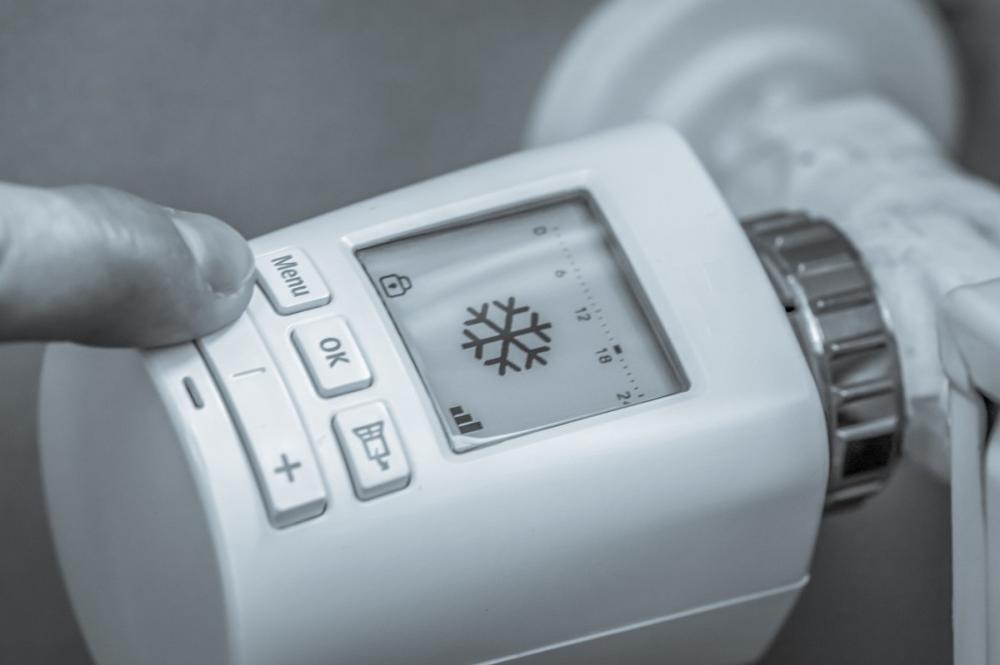
Image by Tom from Pixabay
With that in mind I’ve put together my six ‘top tips’ which are essential to ensure you make the right choice.
What are you currently paying?
Before you calculate what the best deal for you might be, its vital that you know what you are paying now. Your energy bill is calculated from a daily standing charge – the daily fixed fee you are charged regardless of how much gas or electricity you use – and the price/kWH which is your energy usage. On top of this you need to add VAT at 5%.
Be careful not to mix up prices ex. VAT when you do a comparison! Normally the standing charge and price/kWh are stated on your bills.
How much energy do you use each year?
You can find this out from your current supplier or by looking at your bills, where it should be detailed under ‘bill analysis’.
If your supplier doesn’t have this on the bill, it can often be found on your online account or by telephoning your supplier.
If you are looking at switching before you’ve been with your current supplier for 12 months the estimate will not be accurate. Not using the full 12 months will give you a false estimate.
Base your calculations on kWh usage
When you look at comparison sites, you need to compare your actual usage rather than monthly or annual spend. If you only have the amount you have spent to base your comparison, use your annual spend to ensure you cover all seasons.
Don’t ignore the standing charge
The best energy deal for you depends on your usage but not looking at both the price per unit and standing charge means you could make a false calculation.
Some suppliers will have a lower standing charge which may seem attractive, but the higher price per kWh will cost you more if you use a lot of energy.
If you are a low energy user, a lower standing charge and higher unit price could be the right deal for you. But for high energy users it’s often better to accept a higher standing charge but lower price/kWh.
Provide regular meter readings
Ensure your bill is up-to-date by providing meter readings each month. For those with a smart meter, check it’s working properly and sending the same readings as you can see on the meter.
Direct Debit gets the best deals
Direct debits are easy to set up and are far more cost effective than ‘cash’ payments. Paying by direct debit also improves cash flow, is flexible and lets you set up and forget.
Also by Jane Hawkes...
I’m A Money Saving Expert: These Are My Top Ten Tips To Save Money This ChristmasBuy Now, Regret It Later? Consumer Expert On Whether Pay Later Deals This Christmas Are A Wise MoveFive Customer Service Frustrations Consumers Shouldn't Have To Put Up WithAirline Passengers Urged To Check Charges As Government Moves To Scrap Unfair Flying FeesAs Energy Price Cap Rises On October 1 Here Are The 10 Checks Every Household Should MakeThe shortened address for this article is: newspub.uk/21u4i