search
date/time
 | Cumbria Times Weekend Edition |
P.ublished 31st January 2026
nature
Turn Your Big Garden Birdwatch Into Year Round Bird Care With British Garden Centres
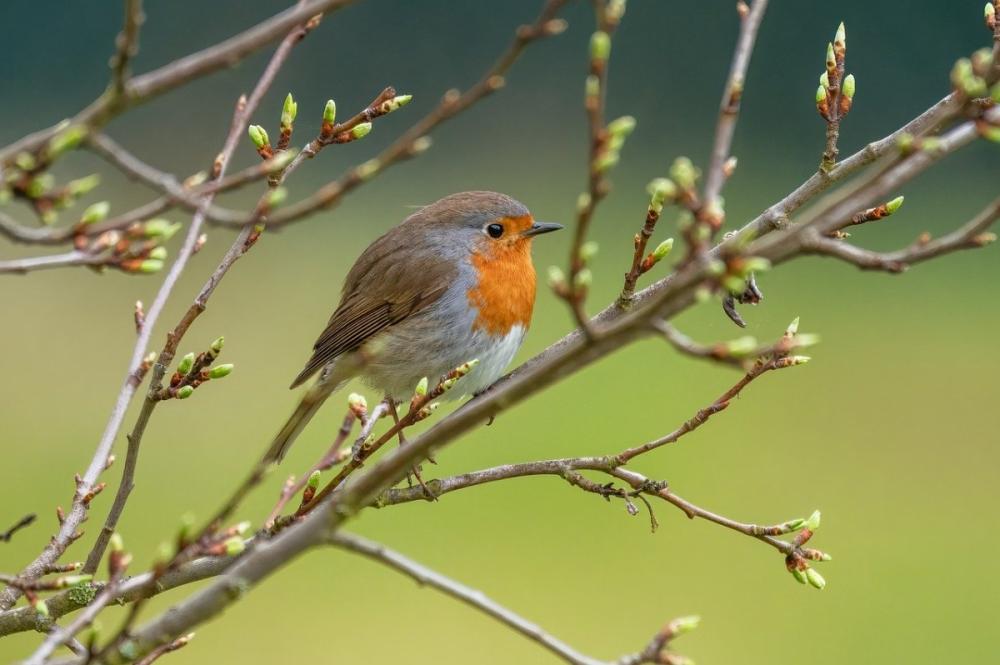
Image by Willfried Wende from Pixabay
Planting: If your count showed fewer visitors than expected, now is the perfect time to create a better habitat in your garden. Birds are especially drawn to berried plants, which provide a reliable source of food through the colder months when insects are scarce. Here are some of our favourite plants to keep our feathered friends coming back to your outdoor space.
Hawthorn: This hedging staple produces clusters of red berries beloved by redwings, fieldfares and mistle thrushes throughout winter. It also doubles as a nesting habitat come spring, so it is great for year-round bird visitors.
Pyracantha: For wall-trained varieties or evergreen hedging, this provides dense nesting sites in spring and abundant orange-red berries that last well into winter. The thorny branches offer protection from predators, making it an ideal plant for bird lovers.
Cotoneaster: Available as groundcover and upright varieties, these produce masses of red berries that waxwings, thrushes and blackbirds strip clean by midwinter, giving them the food they need.
Holly: Another favourite for birds as the red berries are crucial late-winter food when other sources are exhausted.
Quality bird feed and feeders matter: Your local garden centre stocks an extensive range, including sunflower hearts, niger seeds, peanuts in various grades, and high-energy fat balls. There has been a significant demand for premium blends, as people recognise that high-quality feed results in healthier birds and less waste on the ground.
The feeder you choose is also important for birds to come a flocking. From window-mounted feeders perfect for flats to squirrel-proof designs and specialist niger seed feeders, you can choose the feeder that suits your outdoor space best. Ground feeding trays suit blackbirds and thrushes, while hanging feeders attract tits, finches, and sparrows; therefore, having the right food and feeder in your garden is important.
Water: With climate patterns becoming increasingly unpredictable, the critical importance of freshwater sources cannot be underestimated, especially after the dry summer we had last year. Birds need water every day for drinking and bathing, yet it's often overlooked. A simple shallow dish, kept ice-free in winter and clean in summer, can make your garden a lifeline for birds in your neighbourhood.
Seed heads in winter: Rather than autumn tidying, leave perennials like sunflowers, teasels and rudbeckia standing. Their seed heads provide natural bird food through the coldest months, whilst dried stems offer insect habitat.
Log piles: Don’t be tempted to throw away any debris throughout the year. Birds don't just eat seeds and berries, and they need protein. This can come in the form of caterpillars, beetles, or spiders, so a log pile tucked in a shady corner becomes an insect nursery, which means a bird larder to feast on.
Let your lawn go wild: Your garden lawn can also have a big impact on wildlife, including garden birds. Replacing areas of closely mown turf with wildflower and grass seed mixes creates valuable feeding and nesting sites for birds, while attracting insects such as beetles and caterpillars that many species rely on for food. A more natural lawn also brings seasonal colour, movement and texture to the garden, supporting biodiversity and reducing maintenance, so it's okay to leave it long or dedicate an untidy patch to attract avian visitors.
Your Birdwatch results are the perfect starting point. If you had very few visitors at all, that’s your garden telling you it needs more habitat. Use this weekend as your baseline, then make small changes and compare your results next January to see the difference. Feeders and seed mixes are vital but adding plants that provide natural food and shelter creates a truly thriving, year-round haven for birds, and British Garden Centres has everything you need to turn your garden into a haven for wildlife.