



search
date/time

Sat, 10:00PM
overcast clouds
13.7°C
SSW 5mph
overcast clouds
13.7°C
SSW 5mph
 | Sunrise | 3:54AM |
| Sunset | 8:21PM |  |
P.ublished 23rd May 2026
lifestyle
Vet Warning: BBQ Sausages Pose Hidden Dangers To Dogs
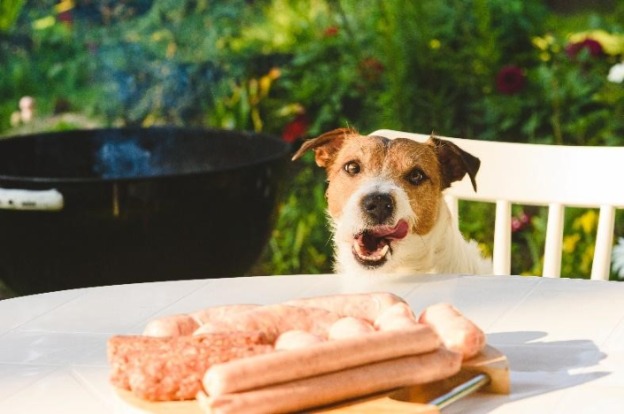
Photo courtesy Post Office Pet Insurance
With 62% of British adults owning a pet and warmer weather encouraging more outdoor cooking, Dr Simon says the risks to pet safety can increase as we head into summer.
To help prevent accidents, she warns of four things owners should always keep away from their pets this BBQ season:
1. Sausages and burgers containing onions and garlic
Onions, shallots, and garlic all belong to the Allium family of plants, which are toxic to both cats and dogs. If eaten, they can cause symptoms such as vomiting, diarrhoea and a reduced appetite. In dogs, Allium toxicity can also damage red blood cells, and the effects build up over time meaning small amounts consumed frequently can be just as dangerous as eating a large quantity at once. Foods like sausages and burgers often contain onion or garlic, so pets should be kept away from these.
2. Corn on the cob
Sweetcorn itself doesn’t pose a risk to pets, but the cob does. Its indigestible nature and shape mean it can become stuck in the intestines, leading to a dangerous blockage. This often causes vomiting, lethargy, and abdominal pain, and can be fatal if not treated surgically.
3. Bones
When you’ve finished your drumstick, it can be tempting to toss your dog the bone; however, this can be extremely dangerous. Cooked bones are prone to splintering, which can injure your dog’s mouth and digestive system. They can also become lodged in the intestines and cause a serious blockage.
4. Skewer sticks
If a pet chews or swallows a skewer, the wooden or metal stick can cause serious internal injuries. Take extra care not to leave barbecued kebabs unattended, as while the meat itself may seem tempting and harmless, the skewer poses a significant danger. Dogs in particular are more likely to swallow food whole, increasing the risk of injury, so keep kebabs well out of reach and always monitor what your pet manages to sniff out.
Dr. Simon shares her five top tips for keeping your BBQ dog-friendly:
Firstly, if you believe your pet has swallowed any toxic foods or unsafe items, it’s essential to seek veterinary advice immediately.
1. Allow your dog to take part safely by offering pet-safe BBQ treats, such as small portions of lean, unseasoned grilled meat, fish, or dog‑safe vegetables.
2. While pets may want to be part of the outdoor excitement, ensure they have regular access to shade or a cool indoor space to prevent overheating and dehydration.
3. In extreme high heats, adding ice to your pet’s water bowl can help regulate their body temperature. Frozen treats made by freezing pet food in water can also be a refreshing and enriching option.
4. Keep any barbecue leftovers well out of your pet’s reach. Dispose of food scraps carefully and keep bins sealed and out of reach. A pet‑proof bin can help prevent scavenging and accidental ingestion.
5. Watch out for hot barbecue coals as pets won't recognise the danger of hot BBQ equipment. Take extra care with low fire pits, fire bowls, and recently used grills, which curious dogs or cats could easily access.
When the weather is warmer, it’s a great opportunity to enjoy time outdoors with friends and family, but it’s important that pet owners stay vigilant and keep a close eye on their animals. Make sure any treats are suitable and safe for pets and be mindful of what they can access around the garden. If your pet shows any unusual symptoms or behaviour, monitor them closely and contact a vet as soon as possible so they can get the expert care they need.