



search
date/time

Tue, 9:00PM
light rain
10.4°C
WSW 10mph
light rain
10.4°C
WSW 10mph
 | Sunrise | 7:02AM |
| Sunset | 4:47PM |  |
P.ublished 12th April 2025
lifestyle
What The Energy Price Cap Rise Will Mean To Homeowners
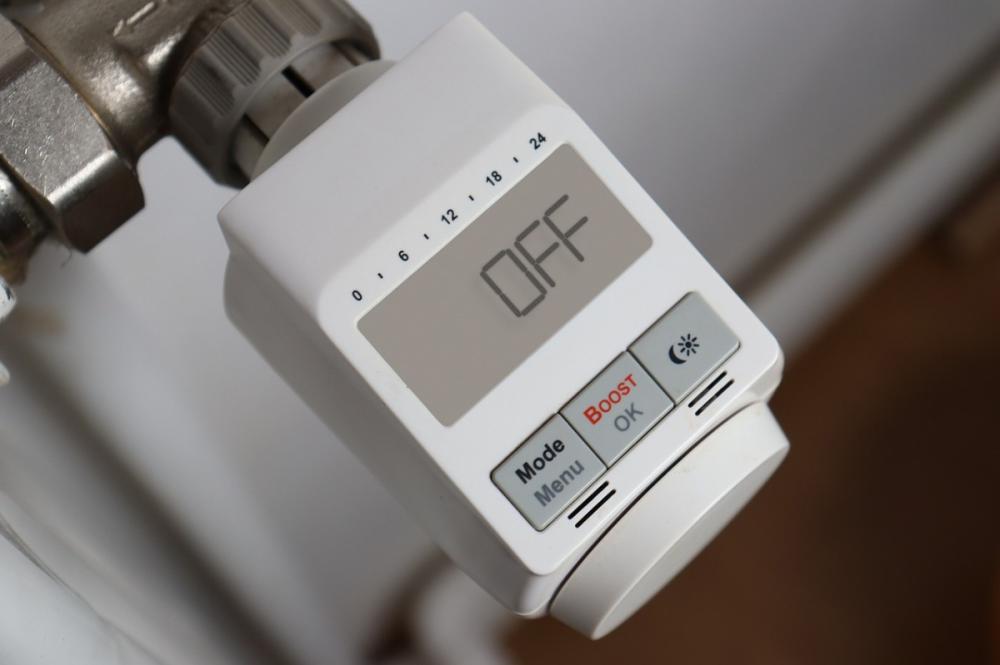
Image by Gerd Altmann from Pixabay
What is the price cap?
The energy price cap is a limit on how much energy suppliers can charge customers for gas and electricity. It’s set by Ofgem, the energy regulator, and is updated every three months (which is why some of these price cap rise headlines sound familiar!).
From April 2025, the cap is rising by £111 to an average of £1849 a year for a typical household. It’s a much bigger rise than had been predicted and is also the third rise in a row after the cap also went up in January 2025 and October 2024.
How much more will you be paying?
The rise is approximately 6.4%, so a typical household that was paying £1738 per year will, from today, be paying £1849 per year. That’s an increase of £111 or about £9.26 per month.
It’s important to understand that the numbers quoted are based on typical usage. The price cap applies to the unit costs of energy, not the total bill. So your final costs do still depend on how much energy you use, and your bill can be more than the £1849 per year average.
If you know your current charge, you can work out roughly how much the increase will be for you by multiplying by 0.064. For example, if your current annual bill is £1200, 1200 x 0.064 = 76.80, so an approximate increase of £76.80 per year. The exact number will vary depending on your exact rates, but it should give you a rough idea.
Does the cap affect everyone?
Firstly, check that you are actually affected by the price cap rise. It only applies to those on a variable tariff, and if you have a fixed tariff, then you won’t see an increase straight away. If you’re not already on a fixed tariff, then you could consider moving to one so you have a better idea of how much to budget each month.
Fixed tariffs are for a set period, usually a year or more, but do weigh up the pros and cons before moving. If prices drop while you are on a fixed rate, then you’re still stuck paying the higher price, and there can be penalties to leave the contract early. If you do decide to move, consider waiting until there are good tariffs on offer and then lock in that price.
What can you do to reduce your bill?
If you have a meter, then it’s worth submitting up-to-date readings before 1st April. This will ensure you are charged at the lower rate for your actual usage and are not charged for estimated usage at the higher rate.
It can also be worth reviewing your energy use at home to see where you can reduce it. The changes you consider will, of course, depend on individual circumstances, but if it’s an option, then you could look at upgrading to double or triple-glazed windows, replacing an old boiler with a newer, more efficient model, or even exploring renewable energy sources such as solar panels.
But even if these major changes aren’t an option, there are smaller changes you can make that will make a difference. For example, unplugging devices that are not in use, adding draft-proofing strips to external doors, or reducing your thermostat by just 1 degree can all help.
Also, remember that the price cap is reviewed every three months, so the increase may only be temporary. Predictions are that it will drop again in July, though probably not back to the current level.
Next steps
Don’t panic at alarming headlines; work out what the price changes will actually mean for you and then decide what action to take. It might be that the rise is smaller than you expect and can be absorbed. Or it might mean you decide to explore fixed rate tariffs or find ways to improve your energy efficiency to make sure you are not spending more than necessary.
However, if the rises mean you are unable to pay your bill and risk falling into debt, then be proactive about dealing with it. Contact your energy supplier, as many of them have schemes to help struggling customers, and if they can’t help, then get in touch with Citizens’ Advice to see what other support might be available to you.
It’s important to understand that the numbers quoted are based on typical usage. The price cap applies to the unit costs of energy, not the total bill. So your final costs do still depend on how much energy you use, and your bill can be more than the £1849 per year average
Don’t panic at alarming headlines; work out what the price changes will actually mean for you and then decide what action to take.’
The shortened address for this article is: newspub.uk/21ui4