



search
date/time

Thu, 7:00PM
few clouds
18.1°C
WNW 11mph
few clouds
18.1°C
WNW 11mph
 | Sunrise | 4:19AM |
| Sunset | 8:15PM |  |
P.ublished 12th June 2026
nature
Workplace At Risk Of Collapse, Department For Pollination Warns
Formed by Flying Flowers, the Department released a report highlighting the growing number of endangered wild bee species and the severe pressure facing UK wild and honeybee colonies if immediate action isn’t taken.
The report revealed that 1 in 20 wild bee species are now classified as endangered, including the Mining Bee, the Potter Flower Bee and the Red Tailed Bumblebee, with the latter specifically seeing a 74% decline in numbers alone.
Honeybee colony loss rates are also rising again. In 2024, the UK lost 5.1% of inspected colonies–the highest average annual rate since 2018. While it eased slightly to 4.6% in 2025, live inspection data for 2026 is already showing renewed pressure, with England recording a 16.4% loss rate by May, citing 732 colonies lost against 4,468 inspected so far.
Among the most pressing challenges, like a continued decline of native wildflowers and green spaces, pollinators are facing threats from invasive predators like the Asian hornet. Data shows that sightings of this predator have increased by 666% between 2024 and 2025, with one single hornet capable of consuming up to 50 bees a day, placing an additional strain on already vulnerable species.
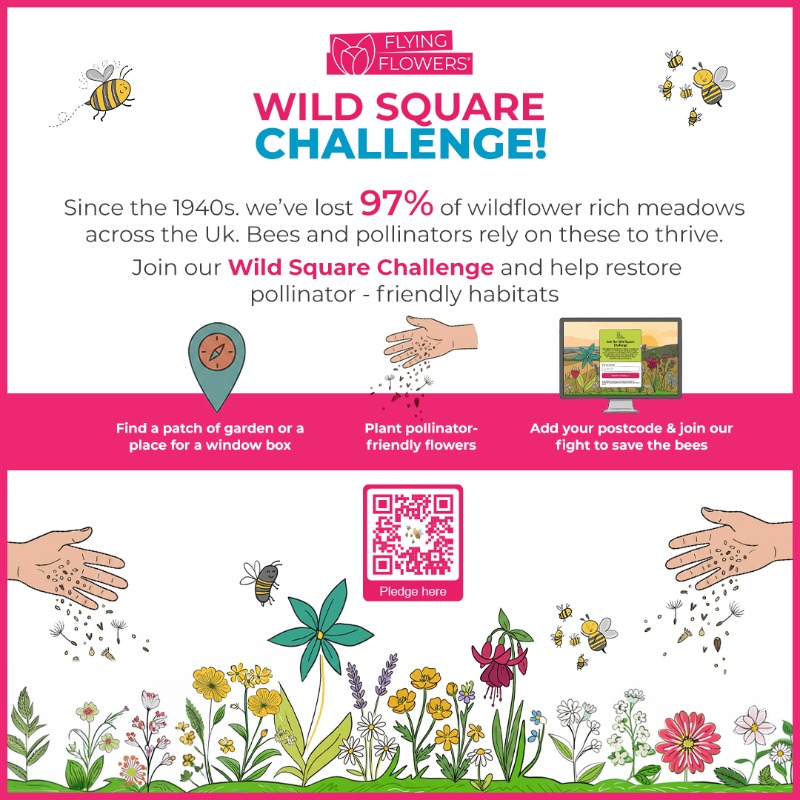
“One of the simplest ways people can help is by creating more pollinator-friendly habitats. Through our Wild Square Challenge, we’re encouraging people to leave just one square metre of their garden to grow naturally. Growing a small patch of pollinator-friendly flowers can also provide a vital source of food and shelter for bees and other pollinators.
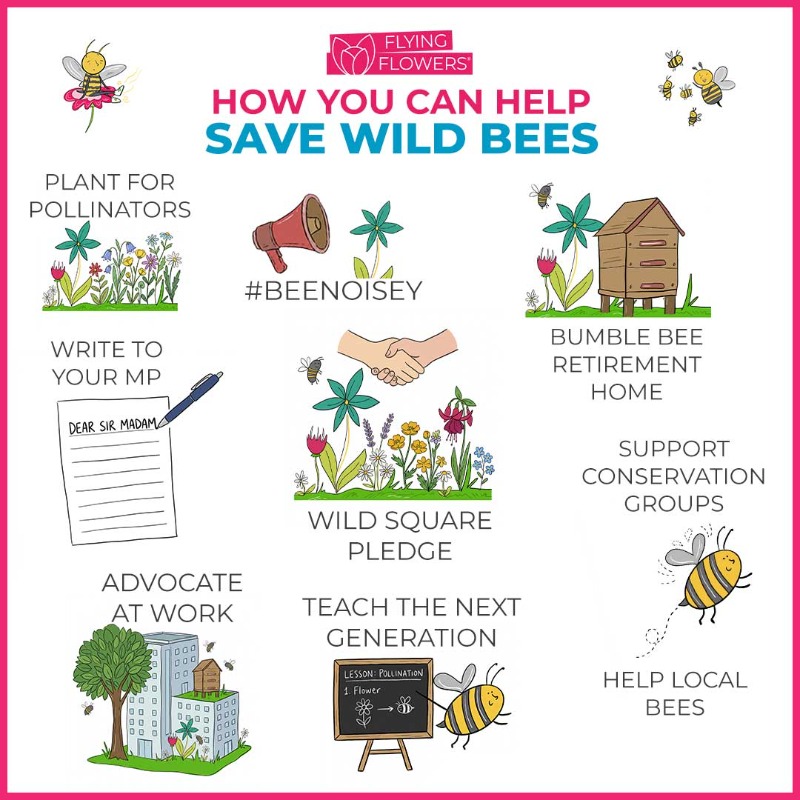
“Beyond that, people can make a real impact by creating nesting habitats, supporting conservation groups, and helping teach the next generation to understand the importance of protecting these species.”
.jpg)
Pollinators sit at the very heart of our ecosystems, acting as the foundation for the natural world around us. Their decline isn’t just a loss for the insects themselves; it triggers a ripple effect across the entire landscape. As many of our wild plants depend on them to survive, those plants in turn provide the food and habitat that support birds, mammals, and countless other species. When we lose wild bees, we risk the collapse of the biodiversity that keeps our environment functioning and resilient.
Healthy soils, healthy pollinators, and productive farming are not in competition but instead support each other. And, when managed properly, they ensure a stable and biodiverse future for everyone.
The warnings are clear, and the need for action is urgent. By listening to the Department for Pollination’s alert and making conscious changes to our daily habits, the nation can halt this alarming decline and help rescue these vital species from the brink of extinction.
Search Results