



search
date/time
Wed, 10:00AM
light rain
15.5°C
WSW 15mph
light rain
15.5°C
WSW 15mph
 | Sunrise | 4:29AM |
| Sunset | 8:04PM |  |
Sharon Cain
Lifestyle & Leisure Editor
P.ublished 6th December 2025
travel
Bute Of A Park Up: Sensational Scotland
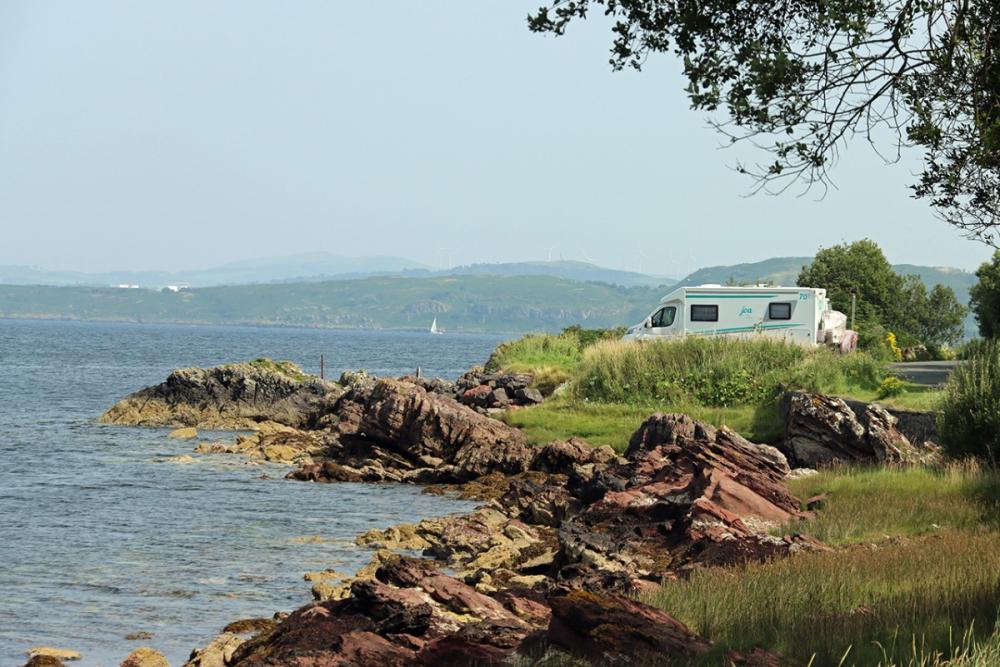
Island discoveries: Beautiful Bute Images by Steve Hare
With 94 of the country’s 900 diverse islands inhabited, Scotland is brimming with a tapestry of civilizations and discoveries dating back to the First Century AD with the arrival of the Romans.
Our motorhome addicts - Lifestyle & Leisure Editor, Sharon Cain, Photographer, Steve Hare and golden retriever, Bracken, share insights from their own voyages of discovery across land and sea.
World’s Most Beautiful Country
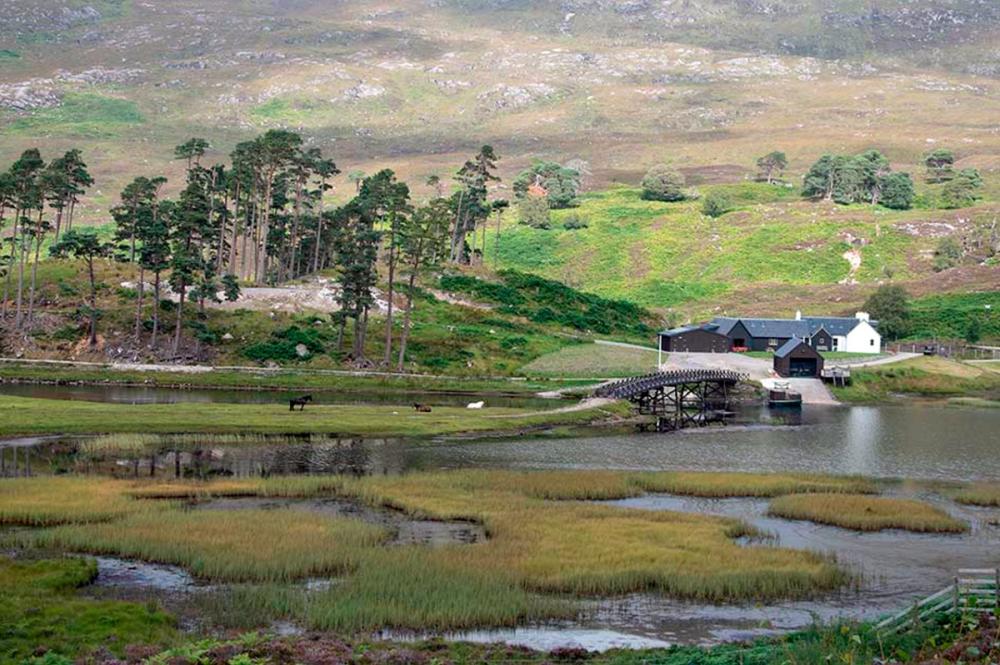
Heart melting scenery: Loch Affric
Our adventures to find out what makes it unique has seen us travel almost 4,000 land miles and take 26 boat trips to 15 islands – our ultimate destination being the furthermost northerly point in the Shetlands where there is more evidence of the Vikings’ rich heritage than anywhere else in the UK.
Along the way we have ascended Ben Nevis - a tough climb which was shrouded in a fog of mist - walked dozens of miles around lochs and coasts and conducted our own survey of the best chowder soups.
Morning Mackerel and Dolphin Delights
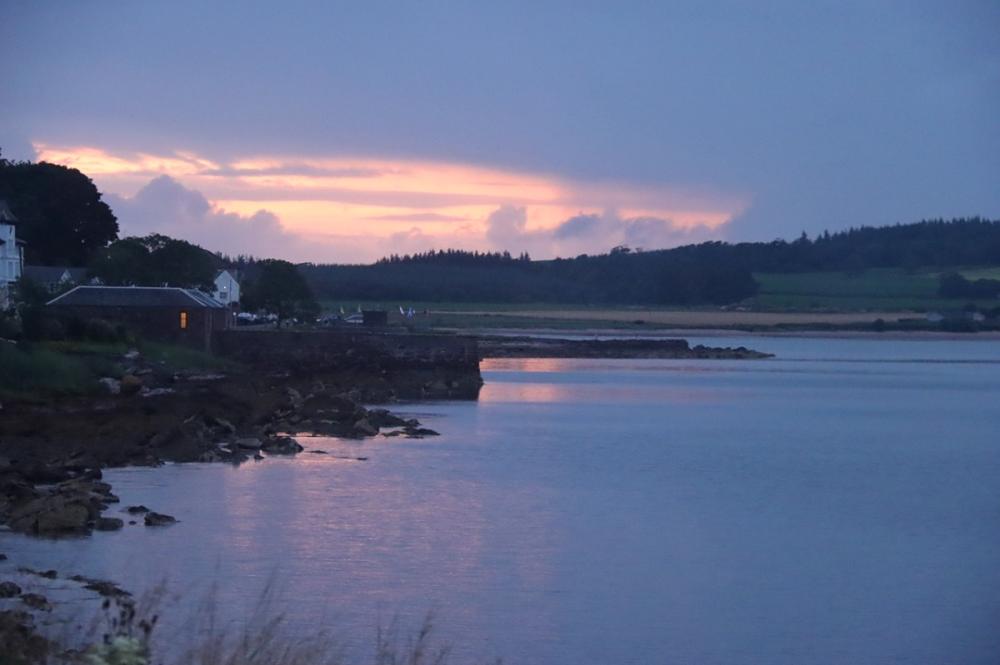
Sunset over Kilchatten Bay, Bute
We quickly headed to a park up recommended on our park4night app (more on helpful apps in this previous Motorhome Makes And Models: What's Best For You, Part 2) at Kilchatten Bay in the south east of the island.
As illustrated in the video above, our park up was nothing short of sensational. The free park ups work on a first come, first served basis and with room for just two campervans or motorhomes, we felt very smug having bagged the second available spot – so much so we were reluctant to move in case it got snapped up!
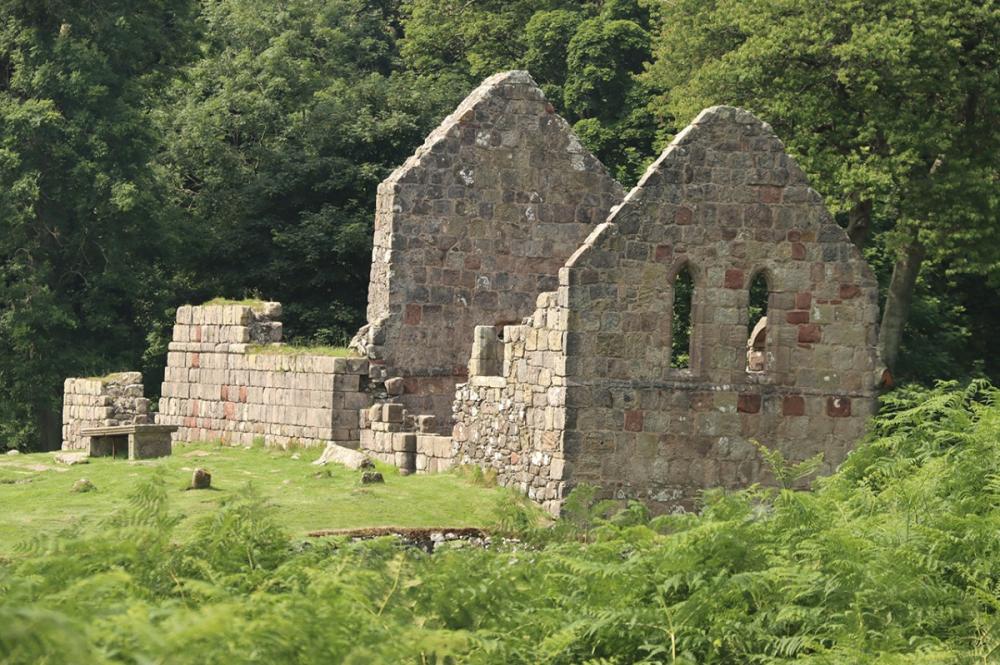
Monastic ruins of St Blane’s Church
Skye: A Backdrop of Bravery and Romance
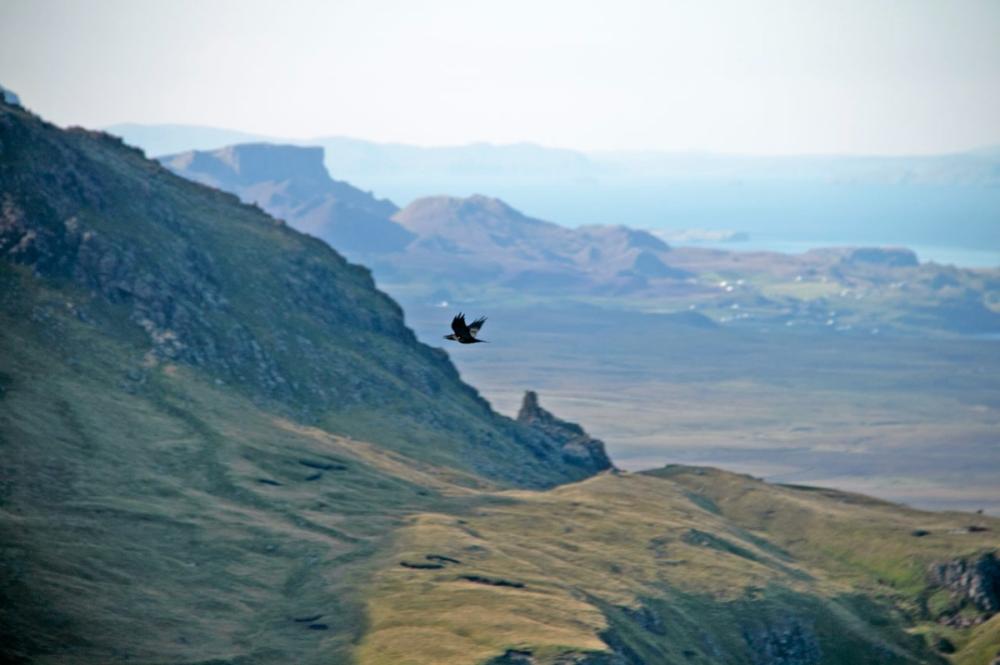
Golden Eagle Soaring over the Old Man of Storr
The captivating Isle of Skye, the largest island in the Inner Hebrides, is renowned for its castles, rugged landscape - and the heroic feats of feisty Jacobite heroine, Flora McDonald.
After the English defeated the Jacobites in the brief but bloody Battle of Culloden in 1746, Flora, disguised as a maid, helped a beleaguered Bonnie Prince Charlie escape the clutches of English soldiers by ferrying him on a boat from Skye to France.
Her fortitude inspired the immortal Skye Boat Song - whose lyrics evoke a gamut of emotions spanning hope, love, loyalty and the disillusionment of war - which was swirling in my mind like the mists of time during our ferry ride from the mainland.
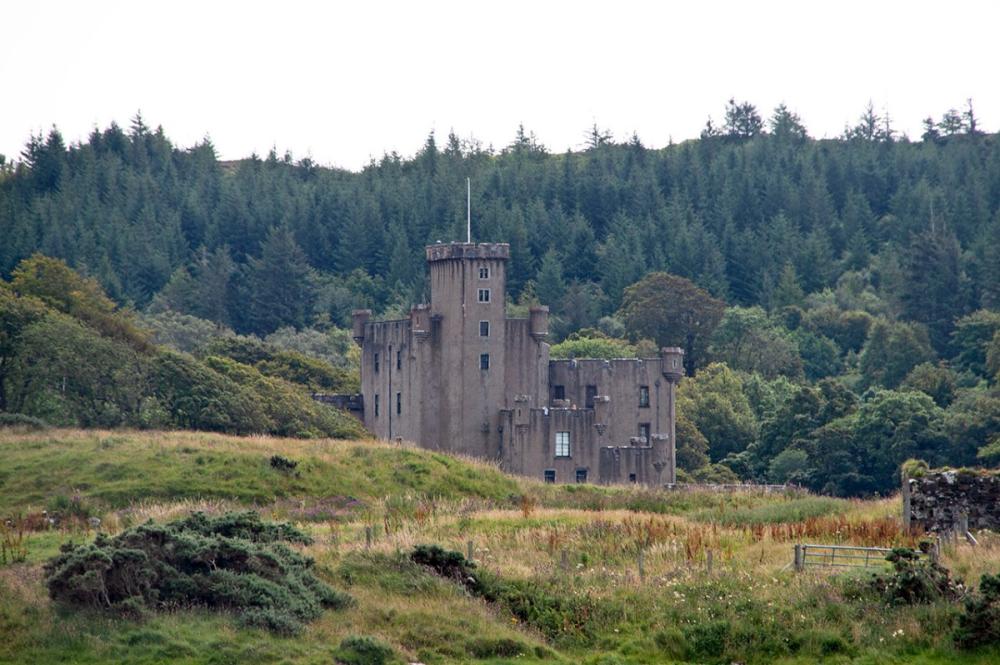
Clan legends and treasures: Dunvegan Castle
The castle is a living museum whose collection includes Prince Charlie’s waistcoat and a lock of his hair. Nestled in lush forestry, its fairy tale appeal is further enhanced by a coastal backdrop.
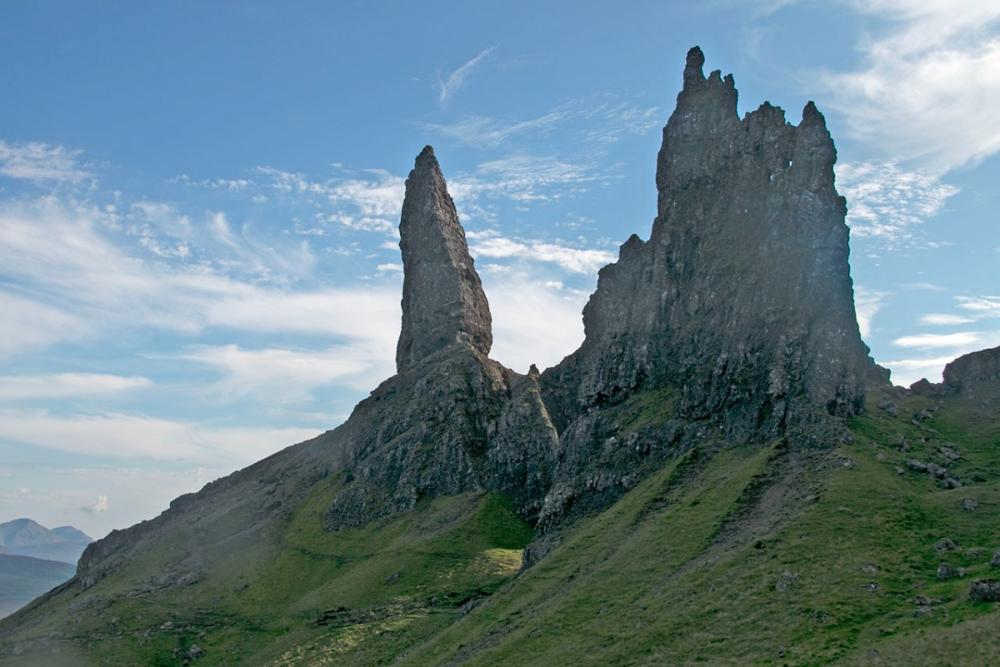
Striking rock formation: Old Man of Storr
It must have been the hottest day of the year as we doused ourselves and Bracken, our Goldie, in the Smidge (I swear by it) anti-midge spray. The ascent was steep and slippery and well worth the spectacular scenery, but the midges were relentless.
Another walker asked me to name my price for my midge hair net which had cost just a few pounds. I would not have swapped it for a few thousand pounds and gracefully declined.
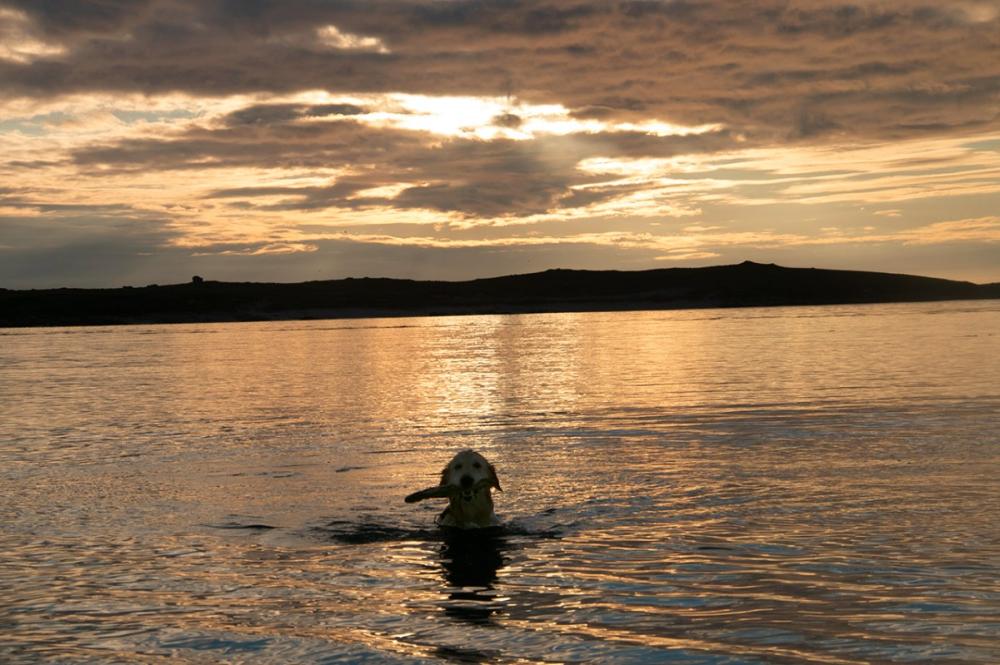
Gorgeous: Loch Greshornish
Caribbean Dreams: Inner Hebrides
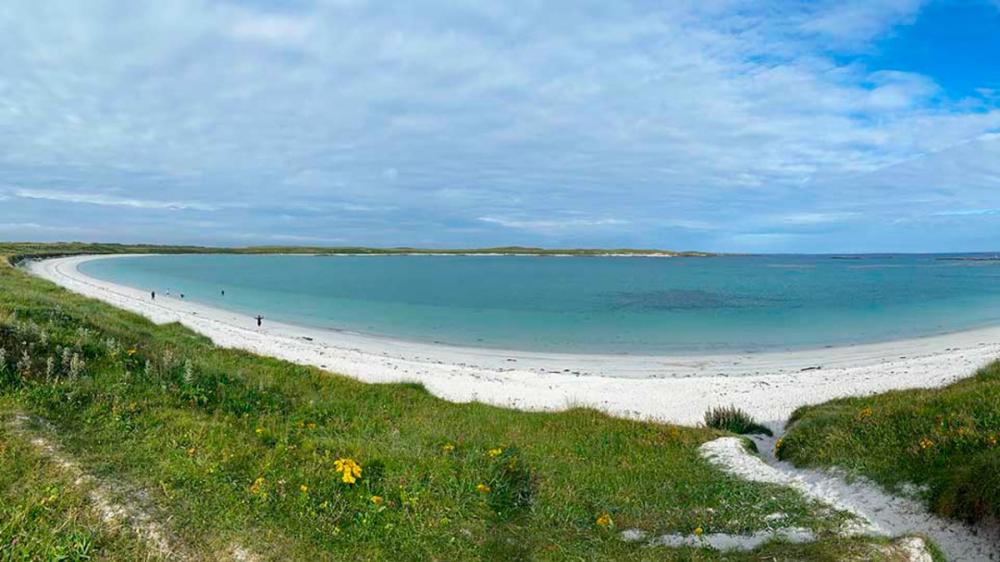
Unspoilt and tranquil: the Island’s beaches
We were transported to paradise on arriving at North Uist with its abundance of sandy beaches and freshwater lochs. The island has Europe's largest breeding colony for seals, with 9,000 pups born each year.
Perfect for birdwatchers, it is home to species including Oystercatchers, Eurasian Curlews, Golden Plovers and, most importantly, Corn Crakes which are virtually extinct in Britain.
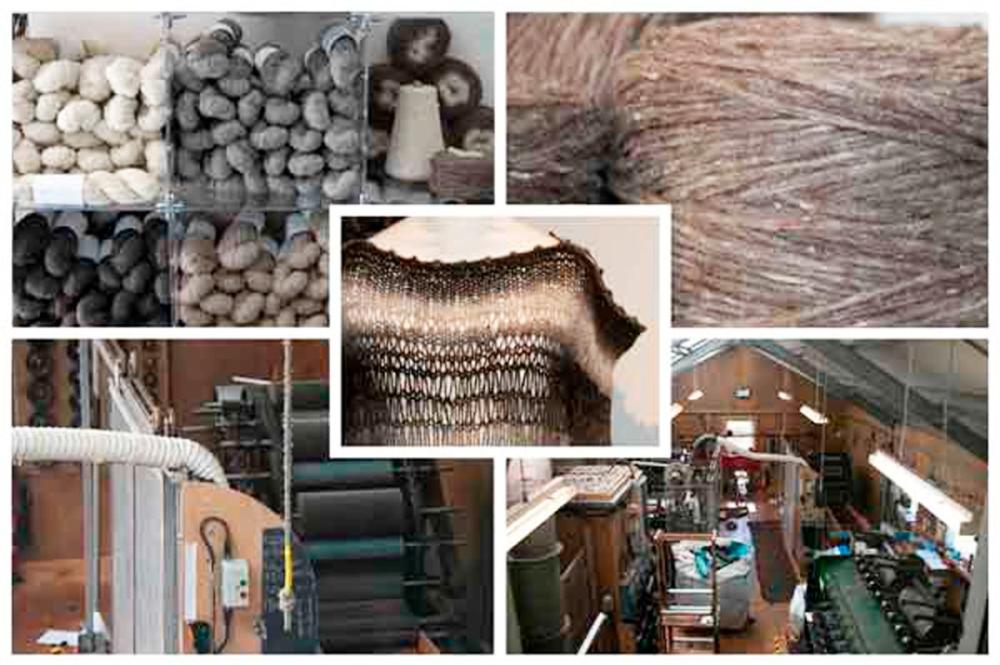
Preserving the Essence of the Hebrides: Uist Wool
We saw the fascinating process of how specialised machinery enables the wool to keep the key characteristics of the fleece, creating bespoke yarns in natural colours.
The Magic of Mull
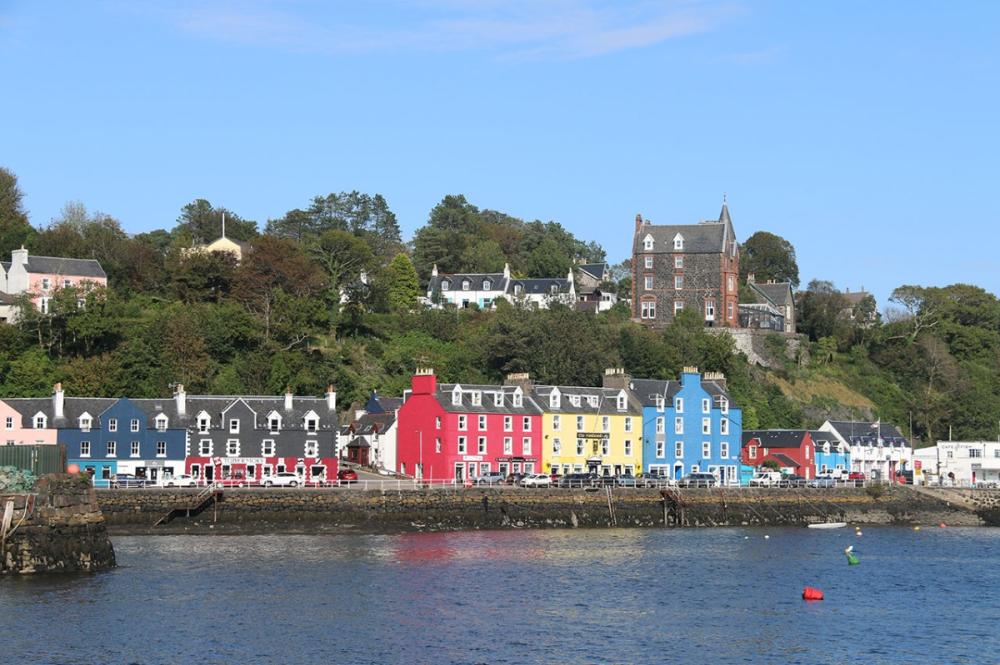
Visual heritage: Tobermory’s houses
The Tobermory campsite was just a 30 minute walk from the bustling town and harbour. It was perfect for exploring on foot and a welcome respite from navigating the narrow streets of Scottish islands. Cafes and restaurants provided a treat from motorhome cooking, offering more scrumptious clam chowders. The succulent lobster at The Galleon Bistro was to die for.
With a population of less than 3,000 and heart stopping scenery around every corner, Mull is also the gateway for the offshore islands of Iona and Staffa where we headed across the Sound of Iona sea.
Fact or Folklore: Iona’s Insights
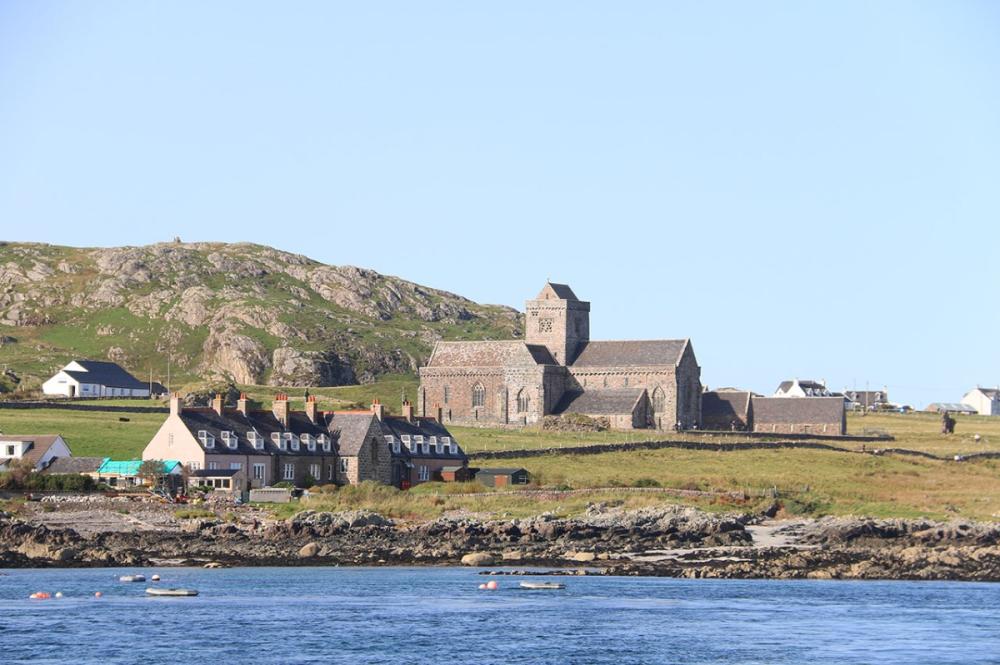
Legendary Worldwide: Iona’s Medieval Abbey
Iona is most famous and celebrated for St. Columba, an Irish Abbot and missionary who landed with his followers in AD 563 to spread the gospel. His legacy is steeped in the restored medieval abbey, one of the world’s oldest religious centres, which dominates the coastline's distinctive white shell-sand beaches.
If you believe the folklore, St. Columba is said to have banished all women and cows from the island when building the abbey, forcing the workmen to leave their wives and daughters on the nearby Eilean nam Ban, known as Woman’s Island.
Where there is a cow there is a woman, and where there is a woman there is mischief
A famed missionary centre, Iona became renowned as a sacred isle where former Kings of Scotland, Ireland and Norway were buried. A vehicle free haven, no cars or motorbikes are allowed on the island.
Inspiring Overtures
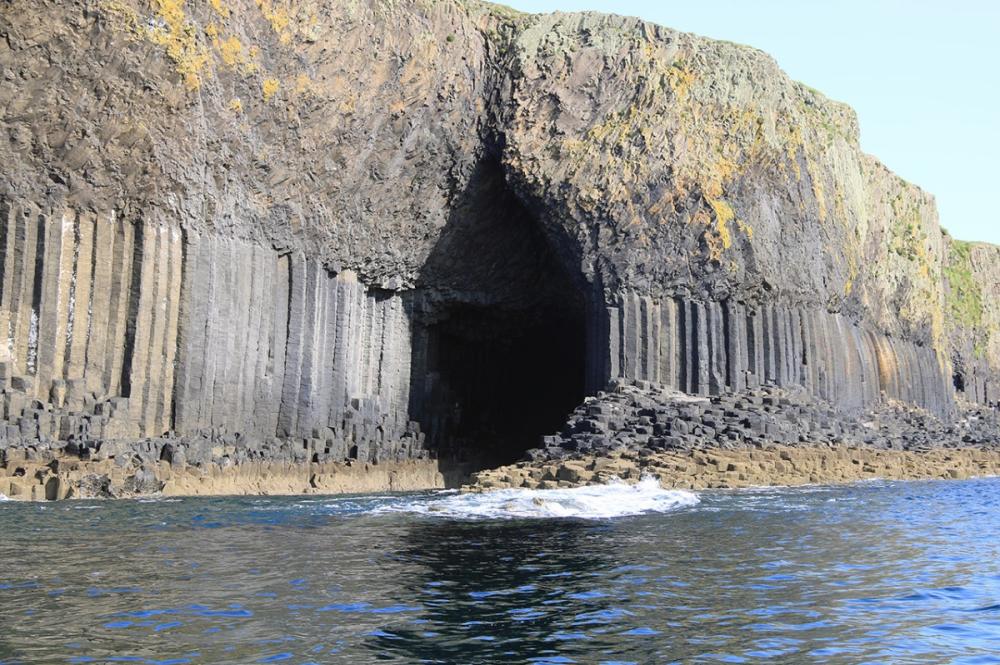
Mendelssohn Inspiration for Hebrides Overture: Fingal's Cave
Our short boat trip also stopped at Staffa - a barren, uninhabited volcanic island created when the Atlantic Ocean was formed sixty million years ago.
I gasped in awe at the extraordinary towering basalt columns - interlocking geometric pillars formed by the lava flows - which are populated with black guillemots, fulmars and puffins.
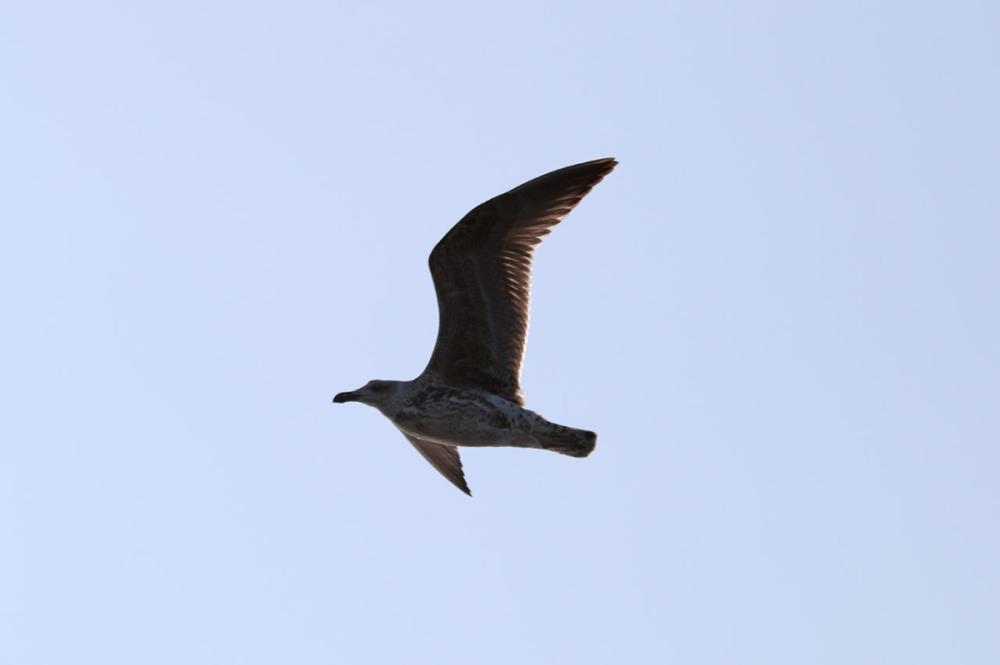
Eagle eyed: Sea Eagle above Staffa
Throughout our trips, the powerful force of Scotland and her abundant landscapes held me in their thrall, often reducing me to tears. At Iona I came upon a kindred spirit who confided that she too had felt a profound emotional impact from the country's raw beauty and diversity.
Look out for more tips and photography from our explorations in future articles. For an additional flavour of the diverse landscapes we encountered, see the video below.
Scotland’s compelling aura makes me impatient to return after mother nature sheds her dank winter skin and bursts into an explosion of life and colour in Spring, the season of renewal.
Calmac Ferries serves over 30 destinations including routes to the Inner and Outer Hebrides and the Clyde
Best time to visit: An all year round destination, there are fewer crowds in Spring and Autumn
Isle of Sky Camping and Caravanning Club site
Tobermory Campsite
Visit Scotland
Also by Sharon Cain...
The Bodyguard: A High Energy, Musical PowerhouseDream Performance: Primary Schools Smash Shakespearean ComedyThe Smoke That Thunders: The Magic Of Victoria FallsAbspawlutely Delighted To Meet You: Paddington In PeruA Brilliantly Bonkers Wartime Romp - Operation MincemeatThe shortened address for this article is: newspub.uk/21xii
Search Results