search
date/time
 | Cumbria Times Weekend Edition |

Sharon Cain
Lifestyle & Leisure Editor
P.ublished 31st January 2026
travel
Would You Travel To The End Of The World?
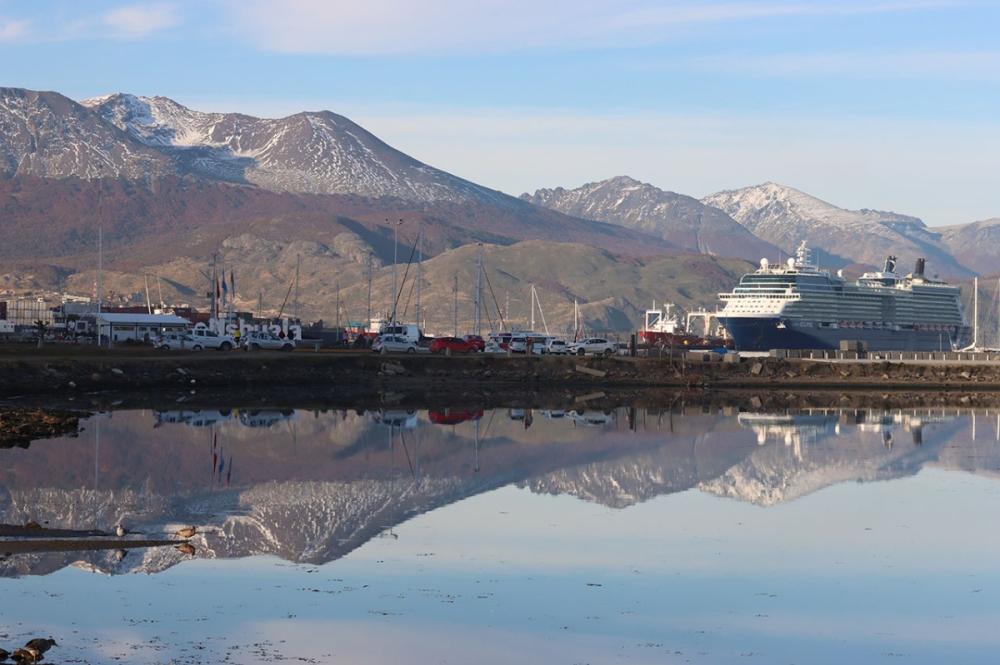
Ushuaia: last major outpost before Antarctica Images by Steve Hare
Not ones to do things by halves, Our Lifestyle and Leisure Editor, Sharon Cain and Sharon’s husband and Yorkshire Times photographer, Steve Hare, traversed the globe to Ushuaia in Argentina.
The southernmost city in the world, Ushuaia, aptly nicknamed the ‘End of the World,’ is the last major settlement before Antarctica. Find out what awaited them.
Pioneering Traditions
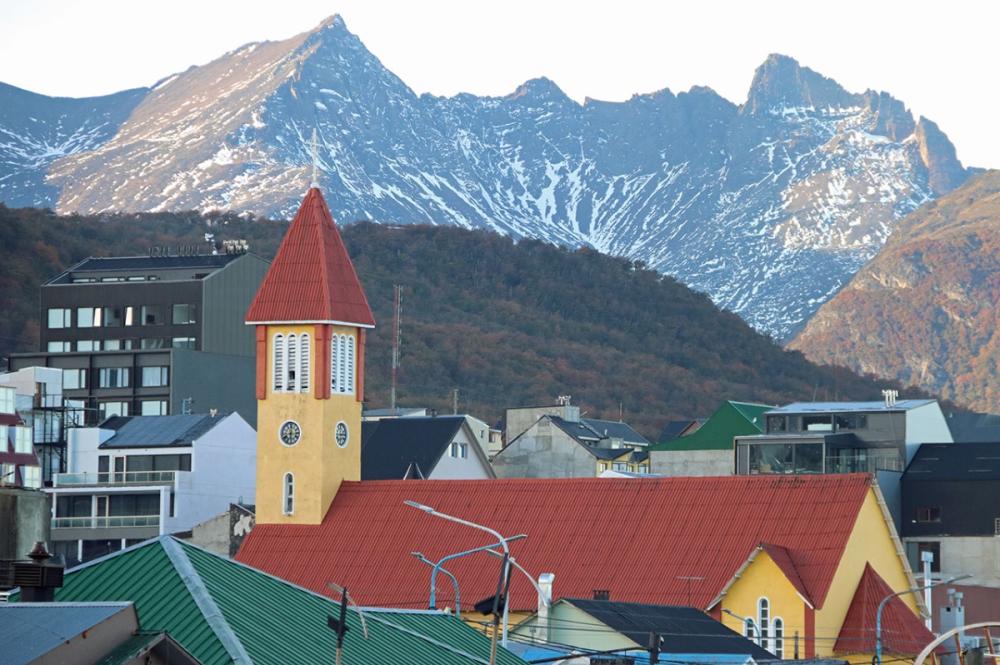
Ushuaia is surrounded by snow-capped Martial mountains
My hopes of recapturing Ushuaia’s pioneering spirit were as high as the albatrosses soaring overhead on our 3,000 nautical miles sea voyage from Valparaiso in Chile to Buenos Aires in Argentina.
Our voyage of discovery saw us following the maritime footprints of legendary explorers seeking to reach Antarctica. At the forefront was Portuguese pioneer Ferdinand Magellan in 1520, followed by Francis Drake fifty years later.
Fast forward almost three centuries to Charles Darwin before Sir Ernest Shackleton set a new record for reaching the most southerly latitude in 1907.
Our approach to Ushuaia was enchanting and exciting. Sheltered between the majestic Martial Mountains and the Beagle Channel, this modern, bustling port in Southern Patagonia was once a bleak, barren outpost and former jail for Argentina’s most dangerous criminals.
Once we had docked in port, it was time to make our escape from the hordes of fellow cruise ship passengers and take in our surroundings.
Tierra del Fuego: Where The Andes Meets The Sea
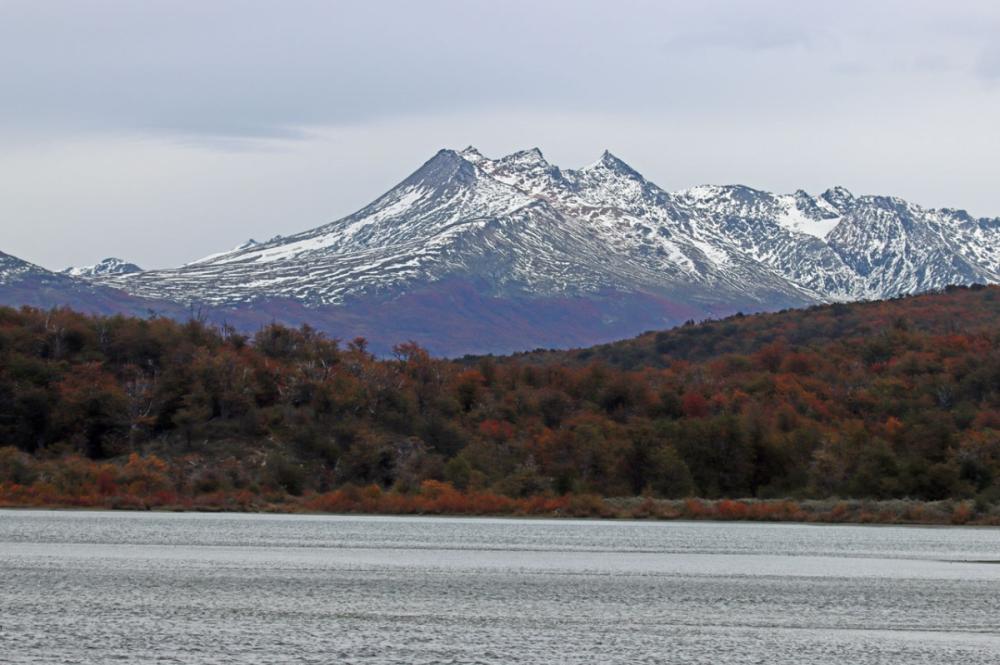
Breathtakingly beautiful: Tierra del Fuego National Park
Sadly, as can happen in the unpredictable world of travel, our escape plans had to be put on ice, which was certainly in plentiful supply around us.
Having quickly discovered that other passengers had also declined the inflated prices of a ship excursion, we joined the 'alternative' tourists in a short queue for a trip to the National Park at one third of the cost.
We weren’t disappointed. The Tierra del Fuego archipelago, where the Atlantic and Pacific oceans meet, is a paradise of dramatic landscapes which were once home to the Yámana’s Aboriginal people, the world’s southernmost indigenous population.
Jaw-dropping gigantic glaciers and mountains that look like they have dominated the landscape since the age of time contrasts starkly with the relative modernity of the park which opened as Argentina’s first shoreline park in 1960.
World’s End Railway Station
Steam trains evoke nostalgia even in the most mundane backdrop. The imposing backdrop of Estacion Fin del Mundo, the station at the end of the world against the Andes - was breath-taking.
Full steam ahead: El Tren del Fin del Mundo
Cosmopolitan Charisma
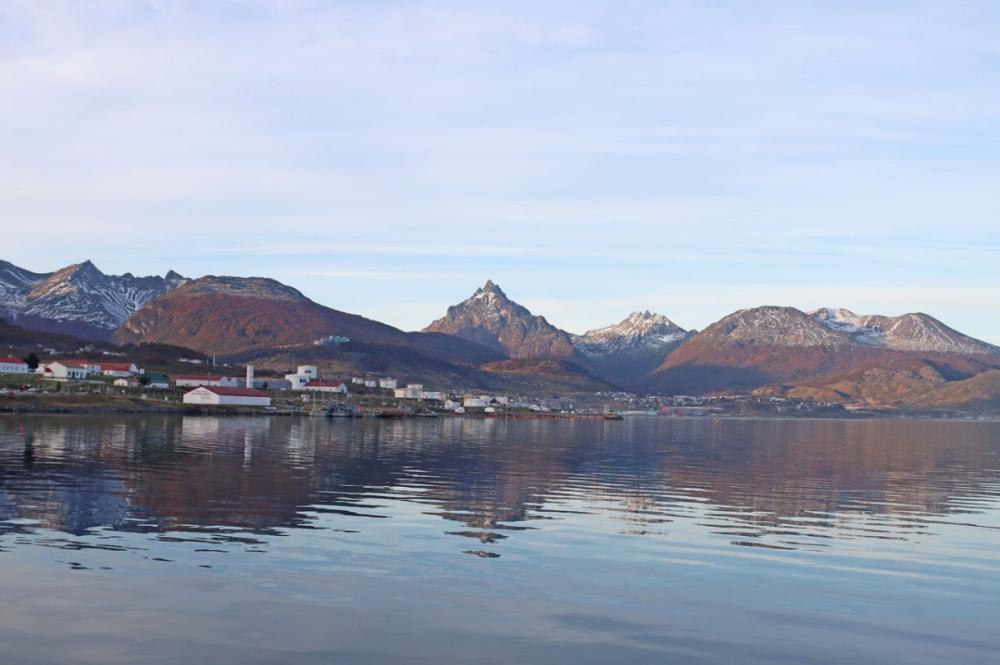
Picture postcard setting: Autumn in Ushuaia
The city’s architectural style is understandably attuned to its harsh, sub-Antarctic climate where temperatures can plummet to minus 10 degrees Celsius in July, the coldest month.
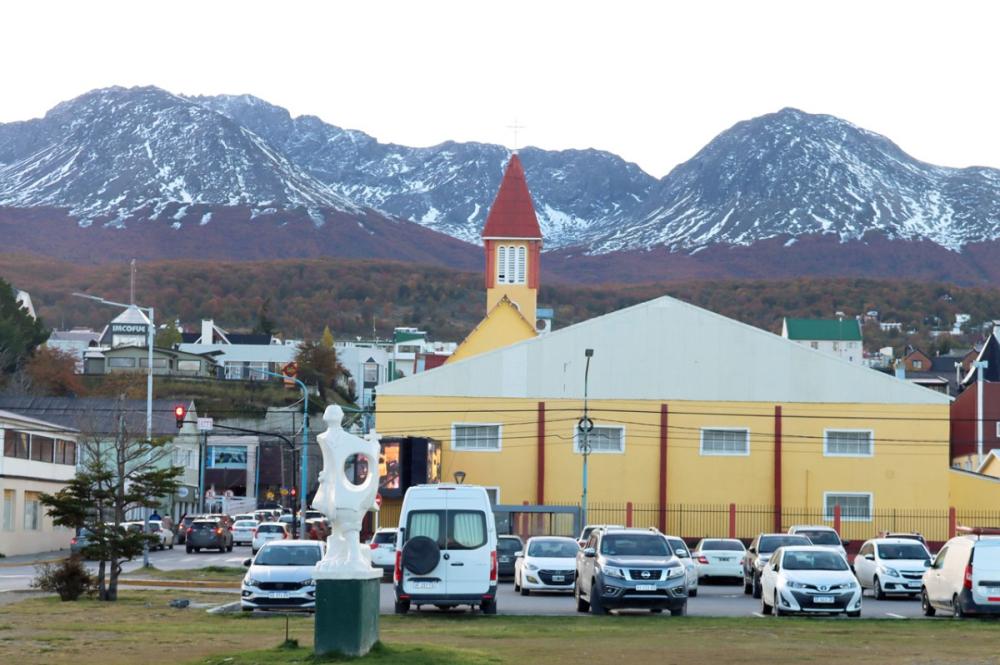
The buildings of Ushuaia are well insulated
The retail offering is plentiful with duty free shops, outlets catering for the great outdoors, an artisan market and raft of eateries dishing up signature dishes such as Patagonian lamb and King crab.
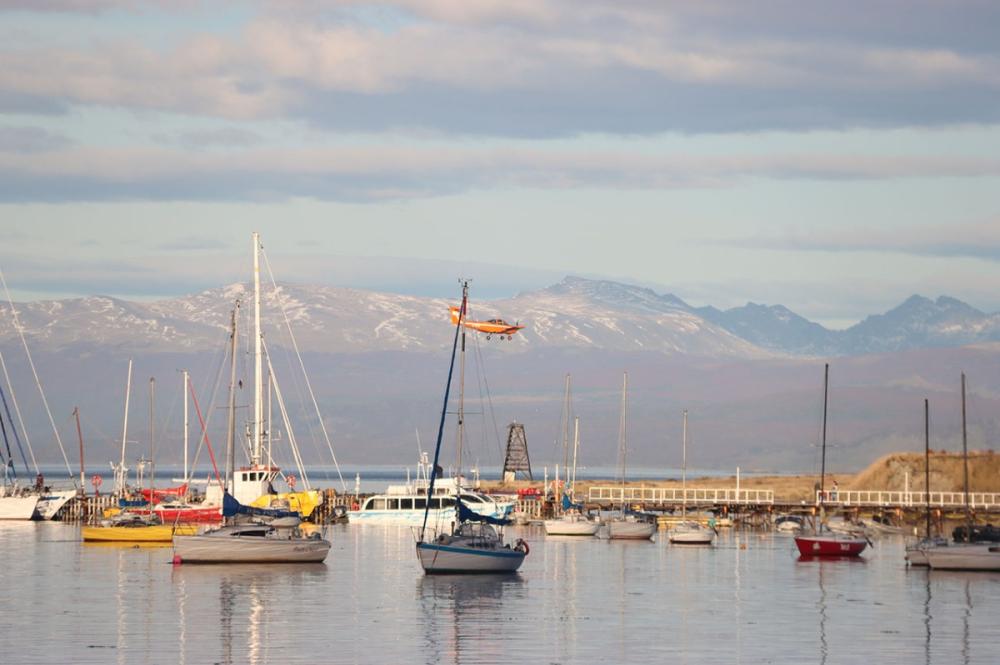
Gateway to Antarctica: private yachts are a regular feature
Unique Wildlife Habitat

Ushuaia's birdlife thrive in their special setting
Watching them scouting for their evening meal evoked a sense of inner peace which sadly was soon to be shattered. Reluctant to leave, we hung back until the last possible minute to rejoin our ship.
Navigating the Strait of Magellan
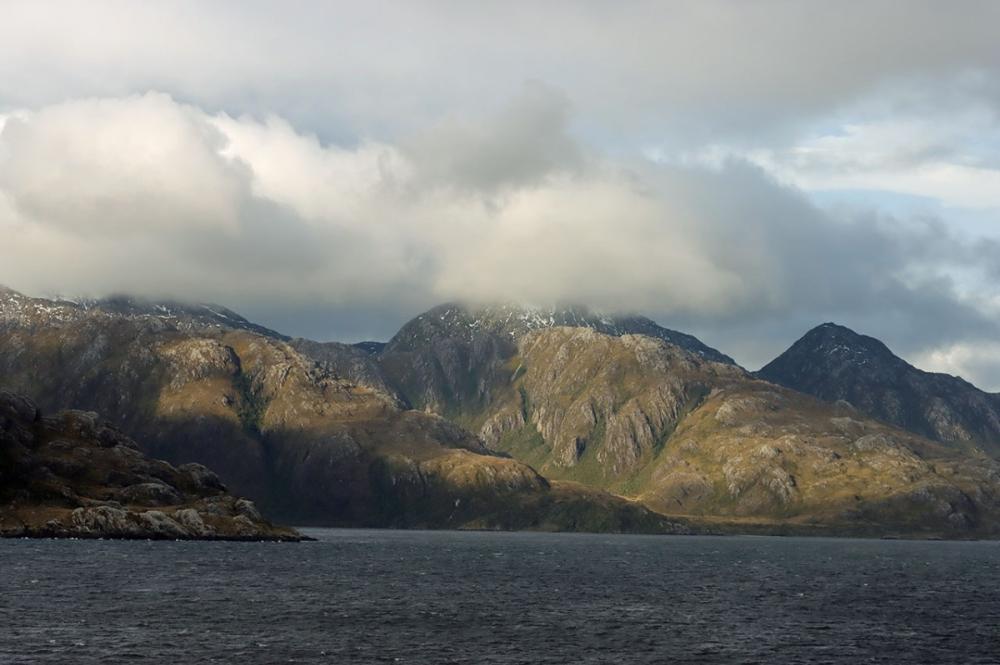
Treacherous conditions and unpredictable weather: the Strait of Magellan
A narrow passage at 350 miles long which can range between one mile and less than 2 miles wide at different points, the Strait also connects the Atlantic and Pacific oceans.
It is notoriously challenging to navigate due to unpredictable currents and rocky cliffs.
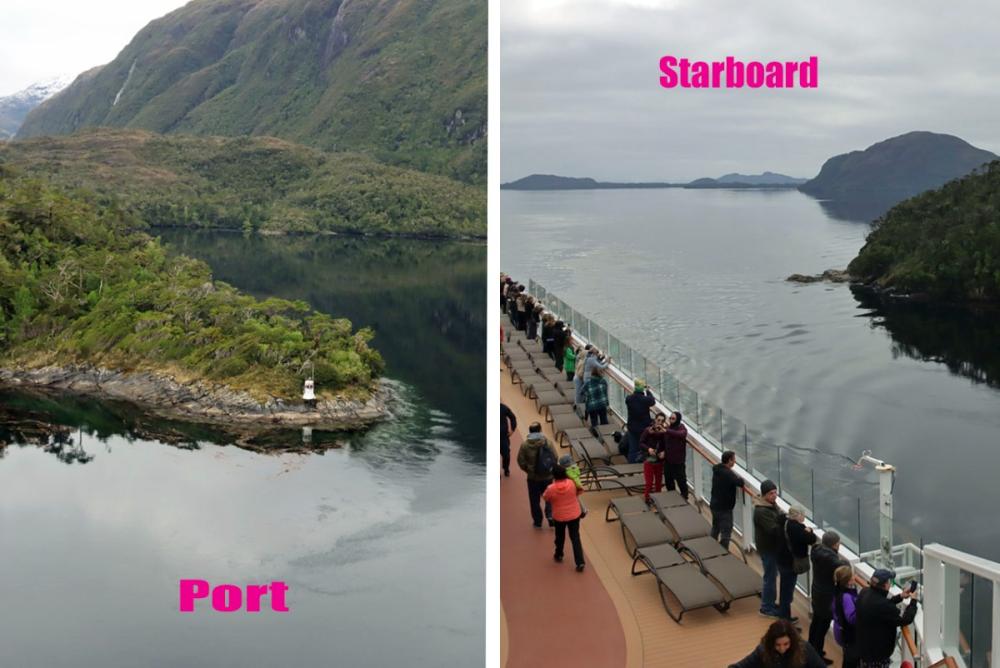
The Strait is a tight fit for ocean liners to pass through
As a sailor who loves the adrenaline of yacht racing at sea in dramatic weather, Steve relished the lead up to the narrowest point. The captain had the helm as we approached the narrow two-mile gap, though it felt much smaller.
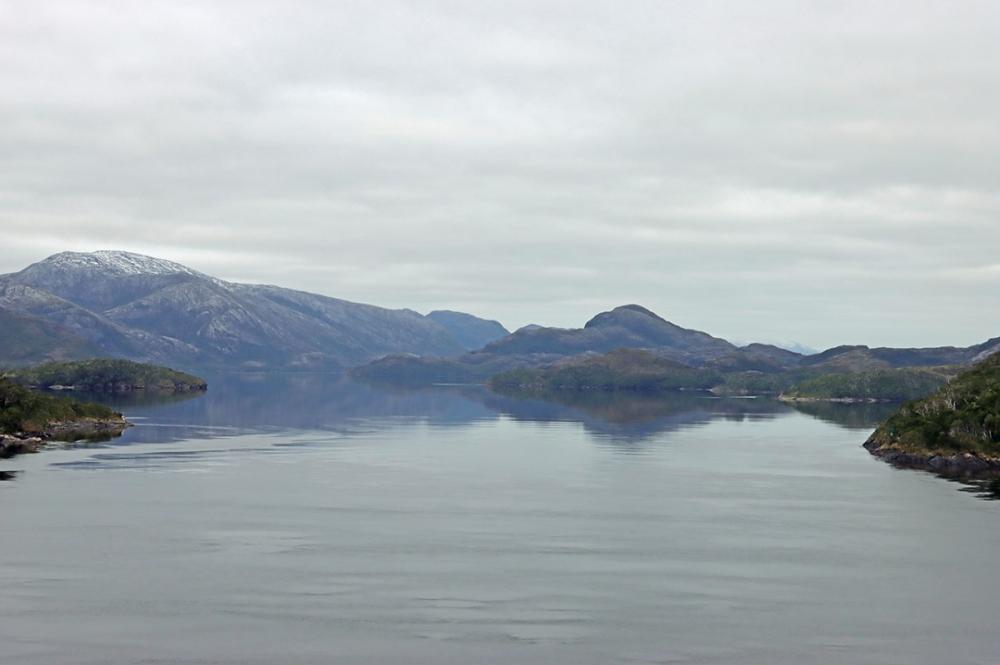
Still Waters run deep
Cape Horn: The ‘Graveyard of Ships’
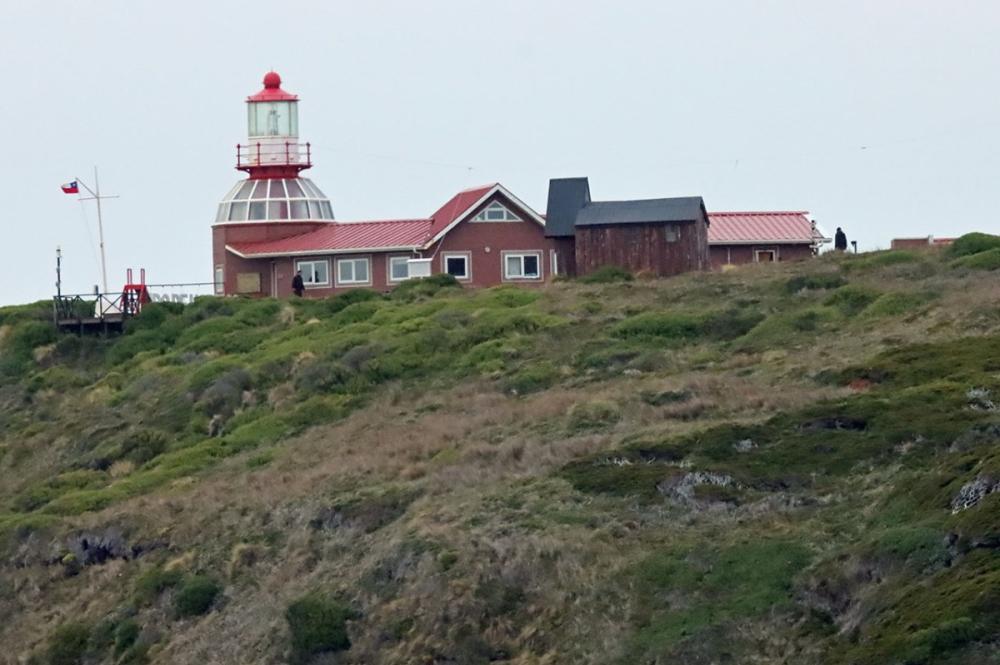
Critical navigational guide: lighthouse at Hornos Island, Cape Horn
This treacherous passage on Isla Lomos is responsible for the demise of 800 ships with the tragic loss of 10,000 sailors lives between the 16th and 20th century. The tragedies were due to hazards including icebergs, violent storms and waves known to exceed one hundred feet.
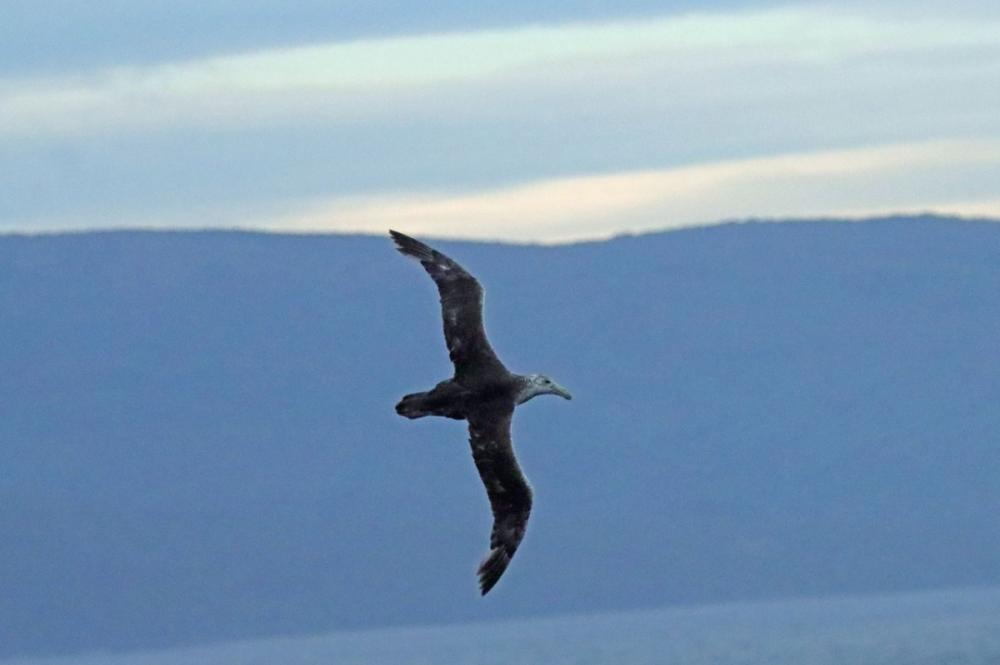
Weathering the storms: black-chested Buzzard Eagle
Over four hundred years later, we felt privileged to be able to pay our respects on a day when the waters surrounding the Horn were like a millpond.
It was hard to absorb the enormity of the devastation wrought by this steep rocky headland whose danger cannot be underestimated.
The most recent death occurred in 2022 when Cape Horn claimed the life of an American tourist whose inflatable boat capsized.
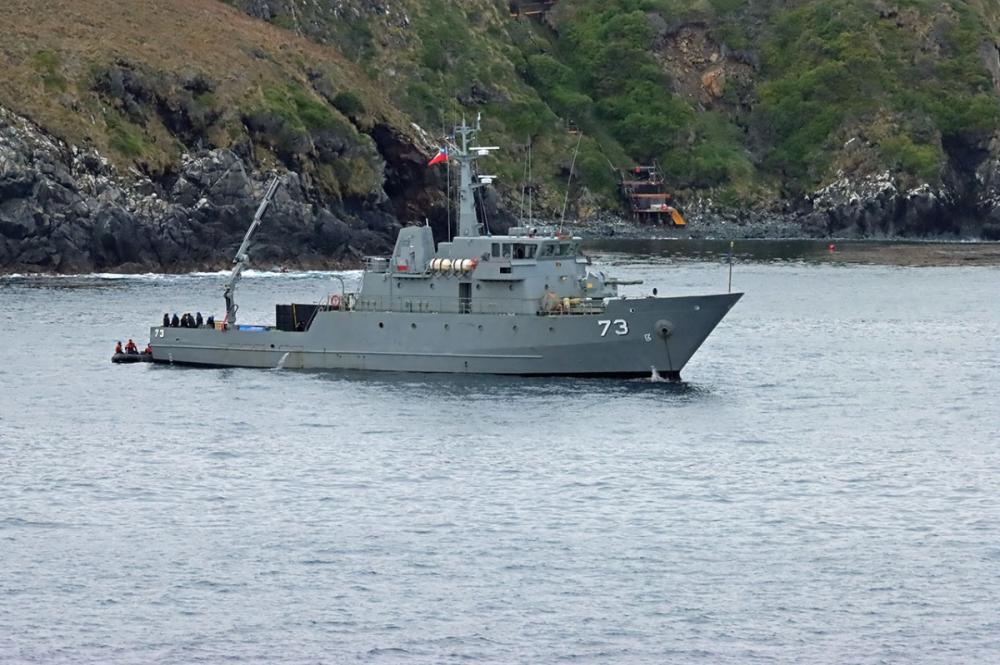
The Chilean Navy is stationed all year round at Cape Horn
The lighthouse includes a residence, chapel and small museum with a smaller lighthouse situated on the Cape Horn cliff.
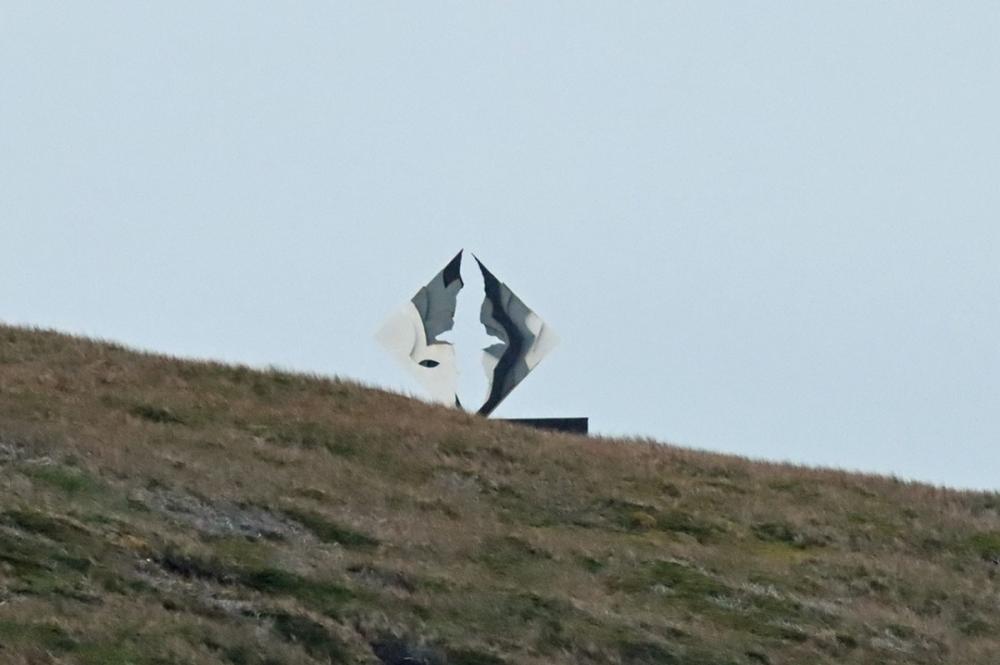
Memorial to lives lost: the albatross sculpture designed by Chilean artist José Balcells Eyquem in 1992
A poignant reminder of past tragedies, the albatross is a seafaring symbol representing souls lost at sea.
The last lap of our nautical adventure heading to Buenos Aires was unfortunately not much to write home about.
We were deprived of a scheduled stop in Puerto Madryn - a habitat for whales, penguins and sea lions - and forced to stay two nights in Montevideo, Uruguay where several passengers were robbed in broad daylight.
Misleadingly described by the ship’s daily newsletter as akin to the magnificent city of Malaga in Andalucía, it was filthy, unsafe and unfriendly with streets littered with dog faeces.
Counting every minute of the final 123 nautical miles, which felt more like 1,123 miles, we breathed a collective sigh of relief on arriving at Argentina’s dynamic capital - a multicultural melting pot bursting with life and energy.
Several airlines including Aerolineas Argentinas and Aeromexico fly direct from Buenos Aires to Ushuaia. The flight time is 3 hours, 40 minutes
For information on what to see and do visit Ushuaia Argentina
For information on Tierra del Fuego National Park read here
Many cruise operators offer South America trips – ensure you check passenger reviews