



search
date/time

Wed, 10:00AM
light rain
15.9°C
WSW 16mph
light rain
15.9°C
WSW 16mph
 | Sunrise | 4:29AM |
| Sunset | 8:04PM |  |

Phil Hopkins
Commissioning Editor
@philhopkinsuk
P.ublished 7th June 2025
travel
Sri Lanka – Where All Gods Are Equal!

We were walking to the Pahangala rock formation in Sri Lanka’s Sabaragamuwa Province, famed for its breathtaking views, but demanding a price before it would reveal its spectacular vistas.
At that moment I was perspiring like never before as I climbed the ever-steepening rock face, determined to claim my prize: I was glad of the momentary break and a slurp of coconut water.
.jpg)
Breathtaking views from Pahangala
Despite the box advertising said bands for ‘two shillings’, I was delighted that no mozzies had yet enjoyed lunch at my expense!
Sri Lanka is a fascinating place and assaults the senses the moment you step off the plane at Colombo’s Bandaranaike International Airport: smells, colours, the promise of elephants and leopards, tuk tuks, crocodiles and a myriad of other things alien to the European psyche, surround you and push themselves forward from billboards and small cubicles, where smiling staff eagerly try to sell you a safari or scenic tour.
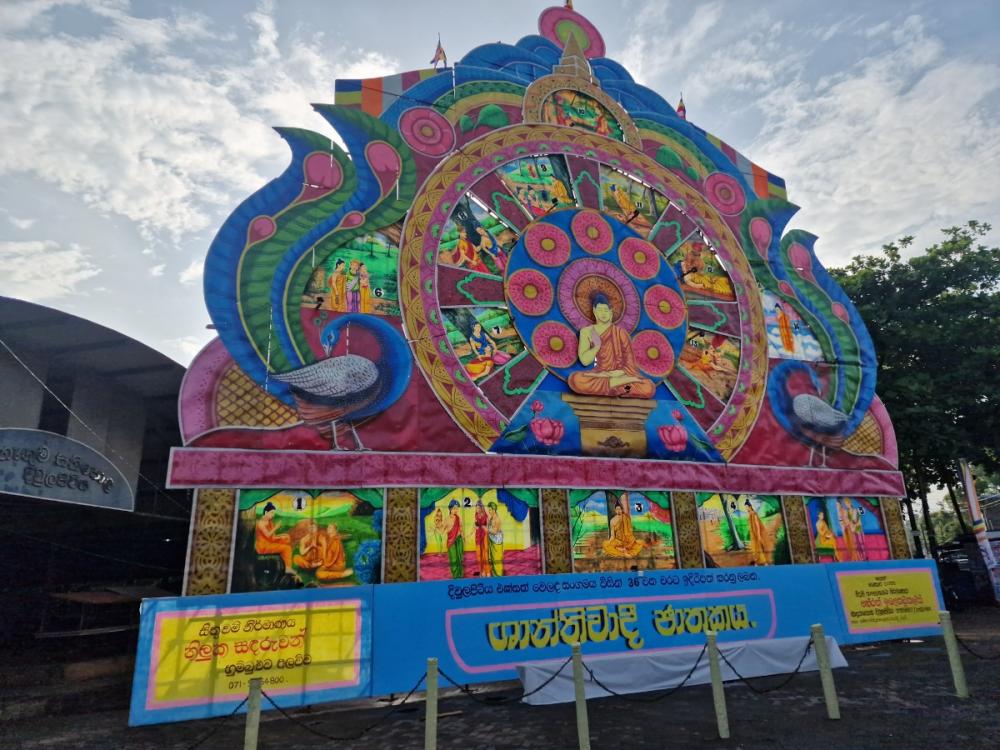
Was this a Hindu or Buddhist country? I contemplated.
The answer wasn’t slow in coming, once I had posed the question. “We worship all Gods,” said one of my guides, "you never know which one is true so it is better to be safe than sorry by celebrating every festival from Hinduism, Buddhism and Christianity. Just in case!”
Soon after Pahangala delivered on the promise, with views to die for. Nearby a Buddhist monk sat in calm contemplation as our group descended by an alternative route to the rock caves, where he led a group meditation, convincing us of the need to close our eyes without falling asleep: jetlag stalked everyone in our group.
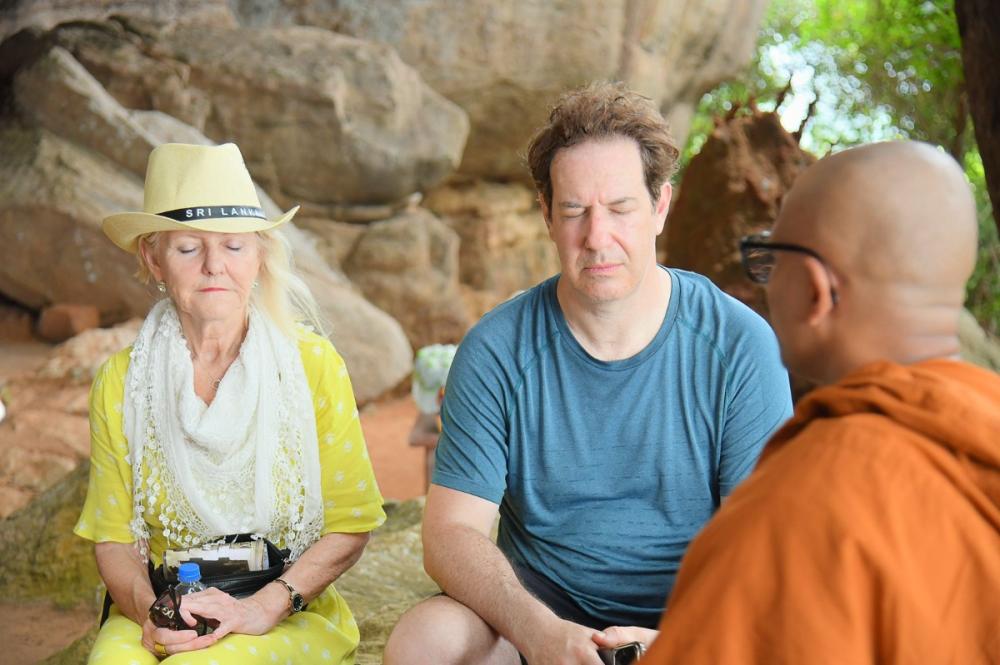
Meditate, don't fall asleep!
People have worshipped there for more than 1500 years and, despite Sri Lanka’s recent turbulent past, there is a historic peace that enables Hinduism and Buddhism to co-exist, none more so than at Rideegama where places of worship from each religion sit side by side.
We enjoyed a jackfruit curry for lunch, practiced the ancient art of writing on ola leaves and bade our farewell to the ancient ornate statues that still adorn the Silver Temple and its surrounds.
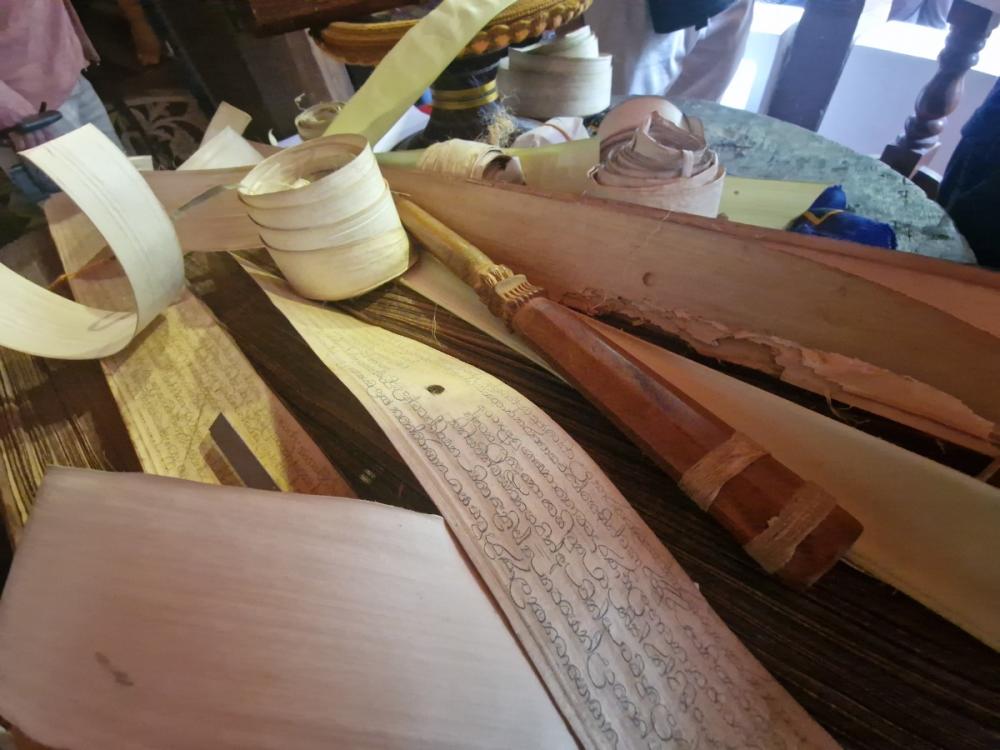
The ancient art of writing on ola leaves
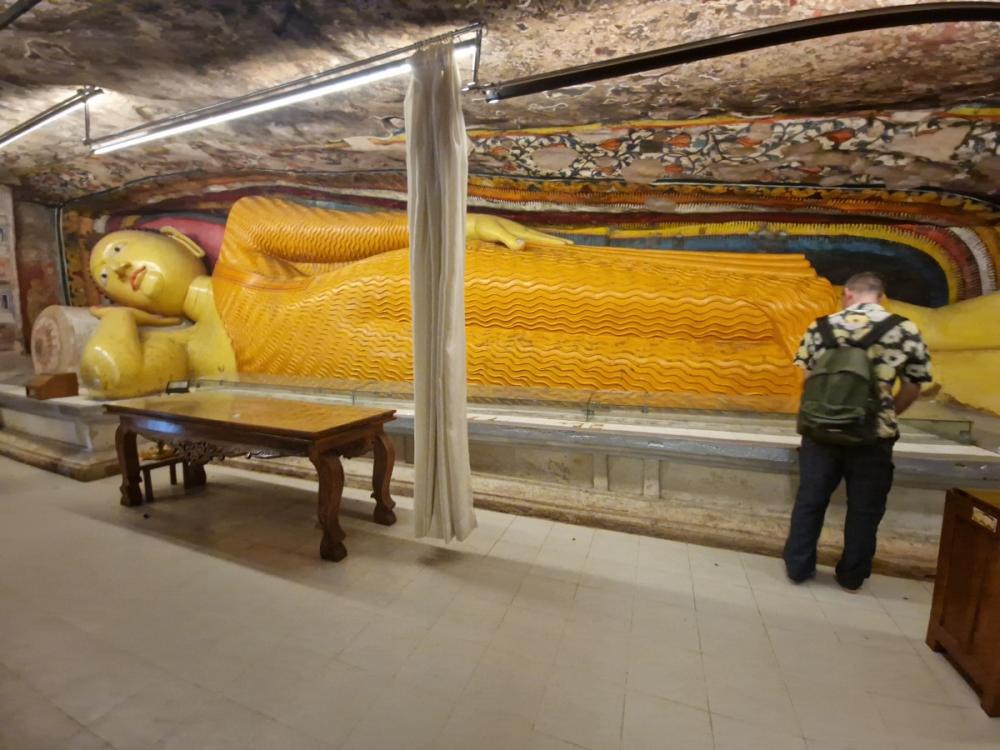
We had travelled 74km north east and I was contemplating how best to climb the Sigiriya Rock Fortress, which dates back to the reign of King Kasyapa (477-495 AD): nowadays, it is regarded as the Eighth Wonder of the World.
“Loads make that claim,” came a cynical voice from the rear as I quietly studied this latest challenge. Nevertheless, King Kasyapa’s fortress, a UNESCO World Heritage Site, and its 1200 steps to the top, had still captured my sense of wonderment. Storm clouds loomed.
.jpg)
The Sigiriya Rock Fortress
.jpg)
A UNESCO World Heritage Site
We marched on, the Heaven’s opened, ancient frescoes of the Sigiriya Damsels were contemplated on the rock’s western face, and the top was scaled as monsoon-like rains did their worst.
The challenge was complete and we descended soaked to the skin, but satisfied by our momentary mountaineering success. I had just become part of the rock’s silent history and, somehow, had also managed to survive the crocodiles that still guard the canal at the site’s entrance point: it had been a good day!
.jpg)
Crocodiles lurk below the surface
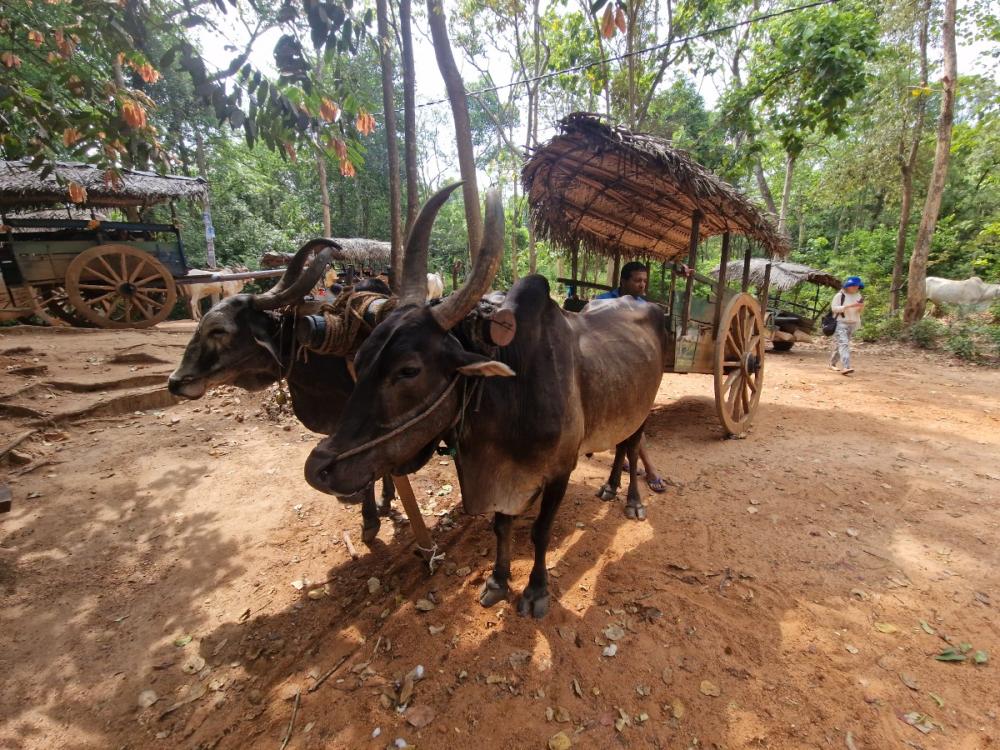
All aboard....
.jpg)
Sun protection courtesy of......
.jpg)
Hiriwadunna Lake!
Kingfishers, cormorants drying their wings, and a host of other birds and wildlife, got on with their daily business, oblivious to the gawping UK interlopers who had temporarily entered their waters.
Nearby, ladies in the local village worked hard to prepare a lunch of dahl, cabbage, fish and other tasty morsels: we ate greedily with the same speed at which we were seemingly moving through the country.
Next Stop Kandy – The Sweetest of Destinations!
This beautiful city, centred around Kandy Lake or Kiri Muhuda – euphemistically known as The Sea of Milk - was Sri Lanka’s former capital from 1469 to 1815: we were about to break a new record for capturing as much of its physical and cultural beauty in the shortest possible time!
And where better to start than at Madyama Lanka Nrutya Mandalaya (the Central Lanka Dance Board), one of the chief guardians of traditional Kandyan dance, veterans of Buckingham Palace and spiritual home to Sri Lanka’s oldest dancing ‘Auntie’ aged 84!
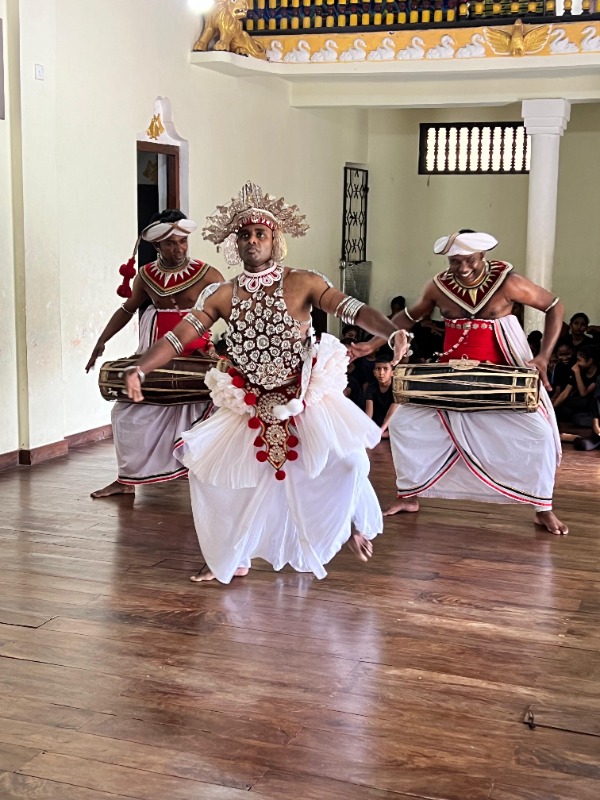
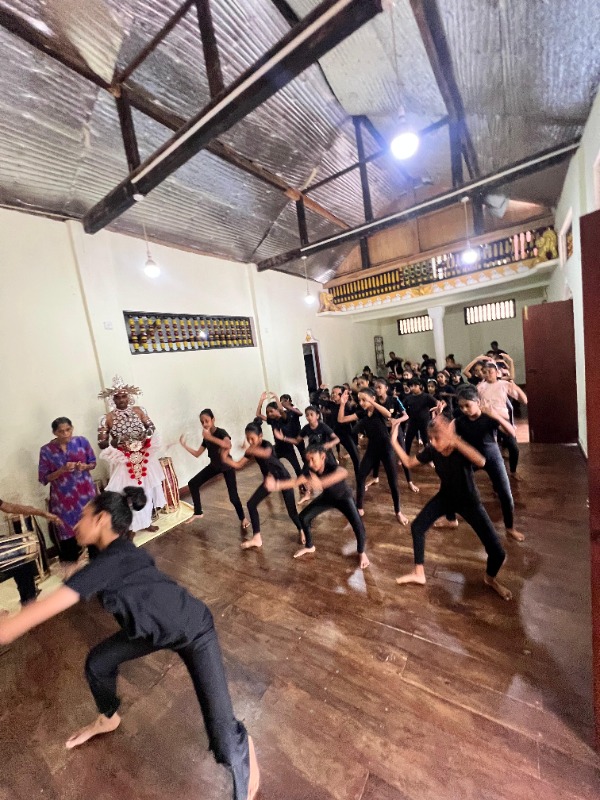
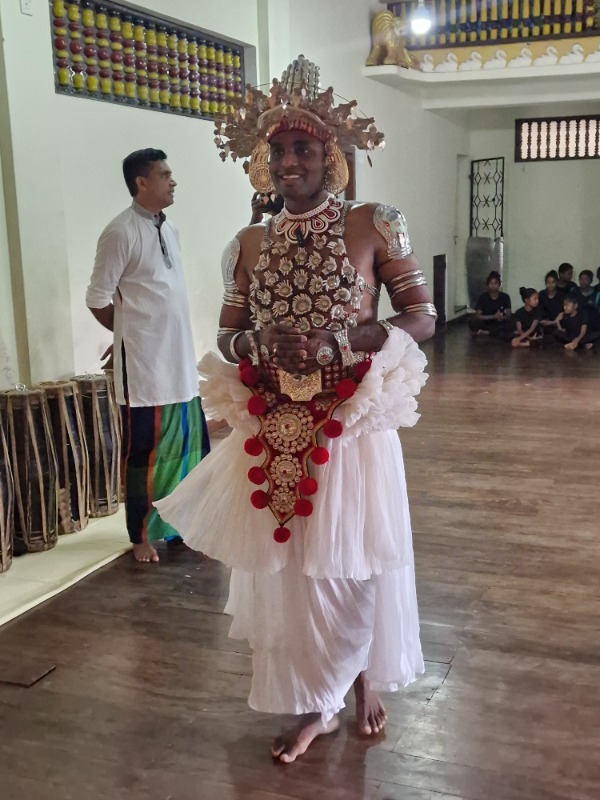
It was a fascinating experience full of colour, energy, enthusiasm and exuberance, in total contrast to the slow-moving elephants we not only occasionally encountered on the main highways, but those gentle giants inhabiting Kandy’s Eco Park and, further south east in Yala National Park.
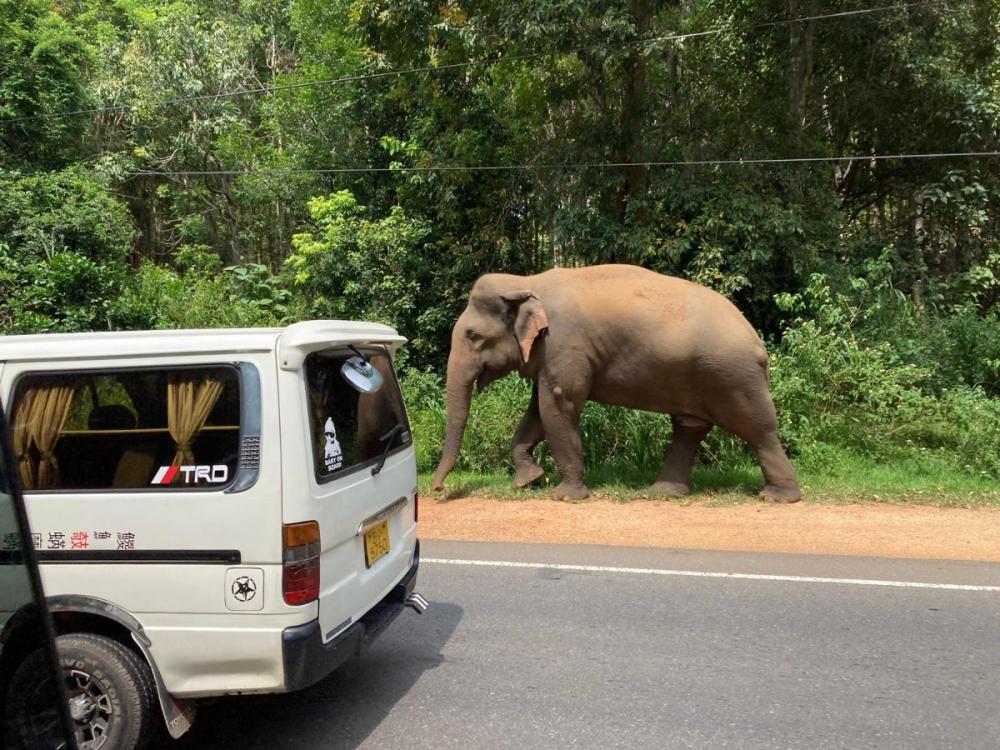
By road...
.jpg)
air...
.jpg)
...or car in Yala National Park!
And that has to be Sri Lanka’s greatest appeal: so much to see in such a relatively small island country.
China and India have invested heavily in Sri Lanka, post-civil war and, these days, the ambition is to grow the current 1m annual tourist tally to circa 5m, by 2030.
.jpg)
The Colombo to Badulla Train Journey has been ranked among the World’s Best by Lonely Planet.
The BBC’s Travel List calls Sri Lanka one of the ’25 Best Places to Travel in 2025’.
...and Miguel Cunat’s Peko Trail has been honoured in this year’s TIME magazine as located in one of the World’s Greatest Places.
It had been the most amazing trip of many a year: 12 days, seven hotels and more smells, images, photo opportunities and tastebud tickling foods than any average person could process!
We’d learnt about production methods at the Labookellie Tea Plantation, engaged in mandala art in a traditional Tamil village, sampled the Imperial luxury of Nuwara Eliya’s 1891 Grand Hotel, and walked the final stretch of the Pekoe Trail, now considered one of the world’s great walking challenges.
.jpg)
Tea
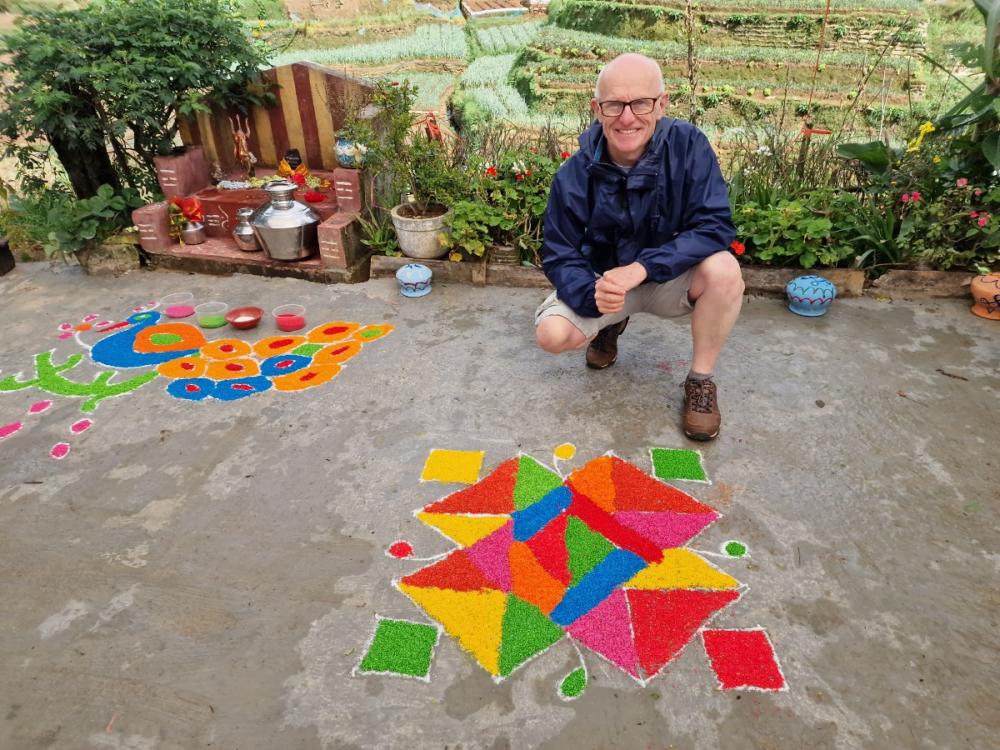
Art
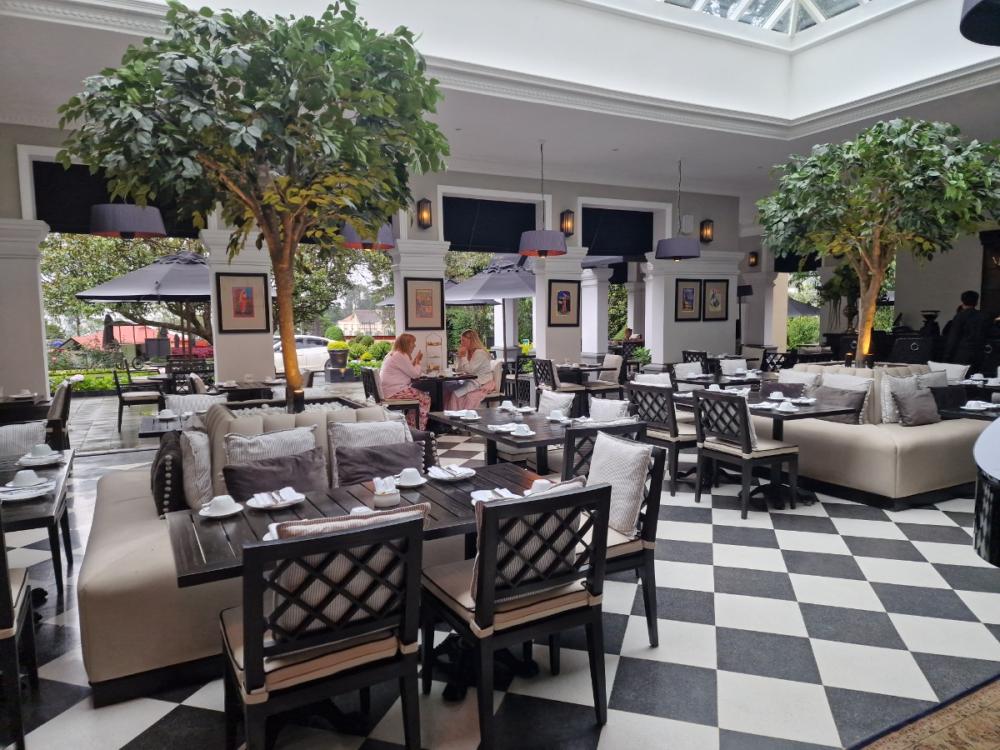
Imperial glory at the Grand Hotel
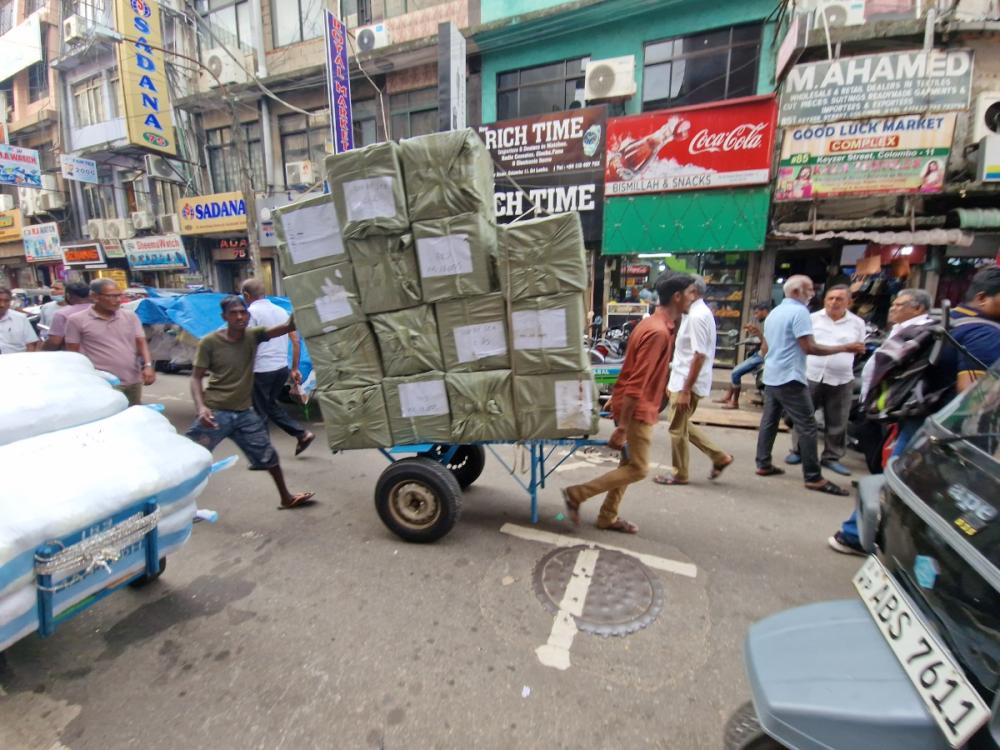
The walled city of Galle had toasted our arrival with a glass of arrack, Sri Lanka’s take on a whisky-style spirit, whilst Colombo, like so many other Asian capitals, had left its indelible mark as a place of affectionate madness.
“Can I get you a drink sir?” said the First-Class carriage steward.
“Yes please. I’ll have tea…..and your grain bowl,” I replied.
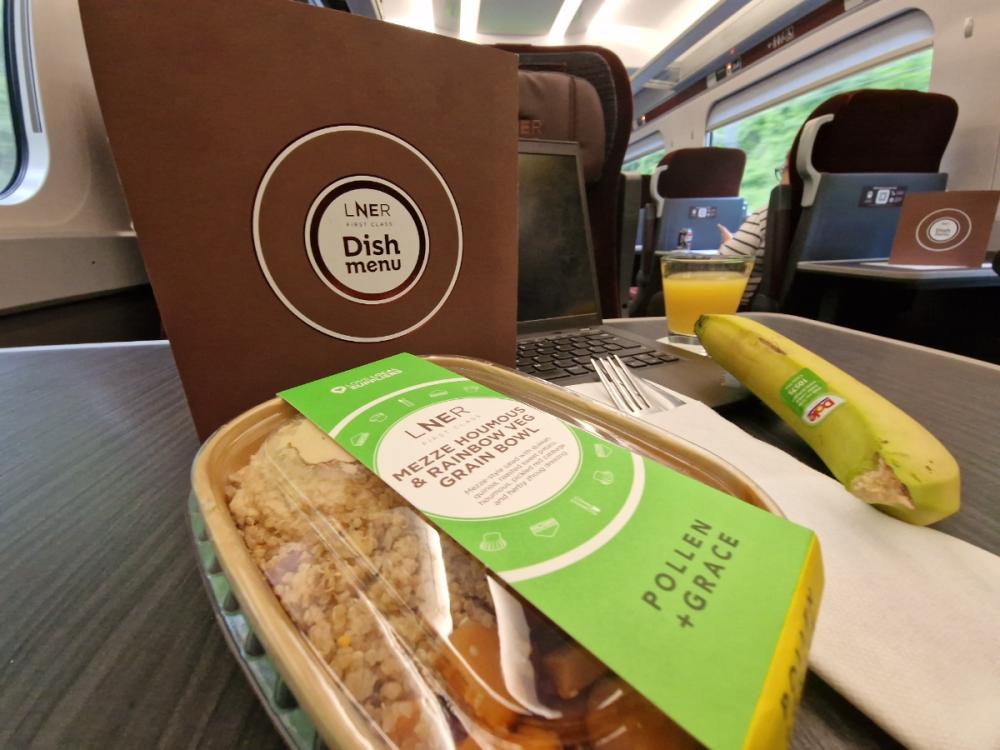
Outside the rain had started again: I was nearly home! Abientot Sri Lanka but not au revoir: I'll be back!
www.srilanka.travel
www.bluelankatours.com
Also by Phil Hopkins...
The Boulevard of Broken Screams!The Price Of Danish HappinessCYPRUS – Still Open For Business!Rome On A Budget Via Northumberland!Sampling Fred's Turkish Delights!The shortened address for this article is: newspub.uk/21v79
Search Results