



search
date/time

Sun, 1:00AM
scattered clouds
12.2°C
S 7mph
scattered clouds
12.2°C
S 7mph
 | Sunrise | 6:03AM |
| Sunset | 6:01PM |  |

Phil Hopkins
Commissioning Editor
@philhopkinsuk
P.ublished 26th September 2026
travel
Wagner, Freedom & The Call Of Norfolk!
Fellow writer, Tony Cooper, and myself instantly had much in common, he an expert on Wagner and me a musical theatre man from the Lloyd Webber / Rodgers & Hammerstein school. Between us we talked for hours.
But Tony, unbeknown to me, had another informal title that probably even he didn’t realise: Mr Norfolk! “Come and see me in Norwich, you won’t regret it,” he’d write in his subsequent monthly emails to me. “When are you coming down?”
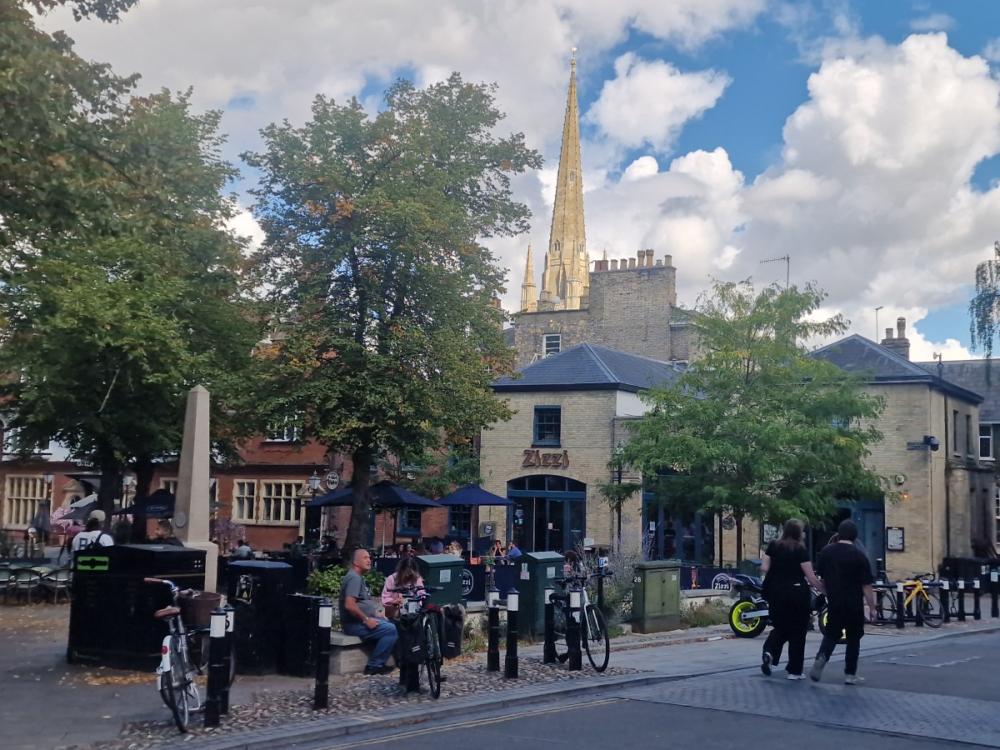
It had been more than four decades since I’d been in the county and, even then, Norwich had escaped me all those years back, other than as a mention in varying tales from friends who’d sailed small cruisers up and down the famous ‘Broads’.
But why had I waited so long: magnificent!
Norwich has always been one of those English cities whose reputation seems to travel less widely than it deserves, however four days in Norfolk revealed a place where Norman grandeur, medieval streets, independent shops and some wonderfully eccentric pieces of history sat comfortably alongside a lively modern city.
Me and Mrs H had began our tour a few miles south of the regional capital at Dunston Hall Hotel, Spa & Golf Resort, an imposing Elizabethan Revival mansion approached through 150 acres of wooded Norfolk parkland.
With 169 bedrooms, an 18-hole golf course, spa, indoor swimming pool and extensive grounds, Dunston Hall provided the sort of country-house base that made returning after a full day's sightseeing in nearby Norwich and beyond, part of the holiday rather than simply somewhere to sleep.
However, our first introduction to Norwich itself came through one of its great institutions: Jarrolds.
.jpg)
Jarrolds: a family affair since 1770
.jpg)
.jpg)
Lunch was at The Pantry, the store’s first restaurant and recently the subject of an extensive refurbishment.
Outside, Norwich continued the architectural theme at the Royal Arcade. Opened in 1899 and designed by local architect George Skipper, the Grade II-listed arcade occupies the site of the former Royal Hotel and, before that, the historic Angel coaching inn. Its glazed roof, bowed shopfronts and decorative tiles create an unexpectedly flamboyant passage between the market and the city streets beyond.
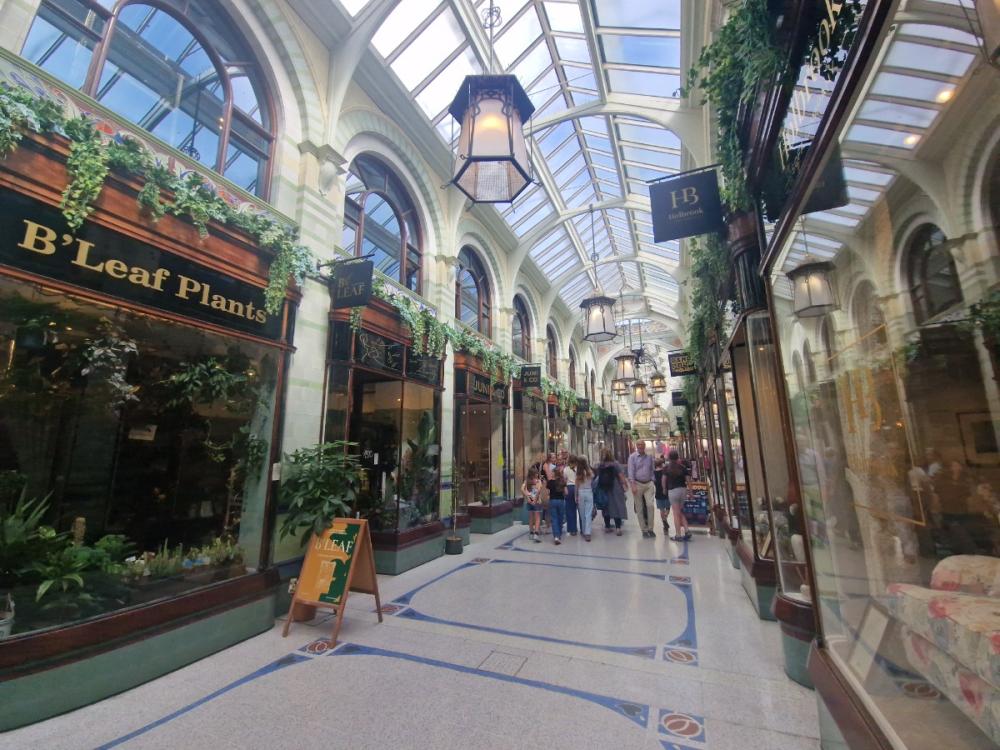
Royal Arcade splendour
Elm Hill was the obvious example. Often described as one of Britain's finest surviving medieval streets, its cobbles, timber-framed merchants' houses, galleries and small independent shops appeared almost purpose-built for a period drama. Much of the street was destroyed by a devastating fire in 1507 and subsequently rebuilt, creating the remarkably complete historic streetscape seen today.
.jpg)
The Mediaeval glory of...
.jpg)
...Norwich's Elm Hill
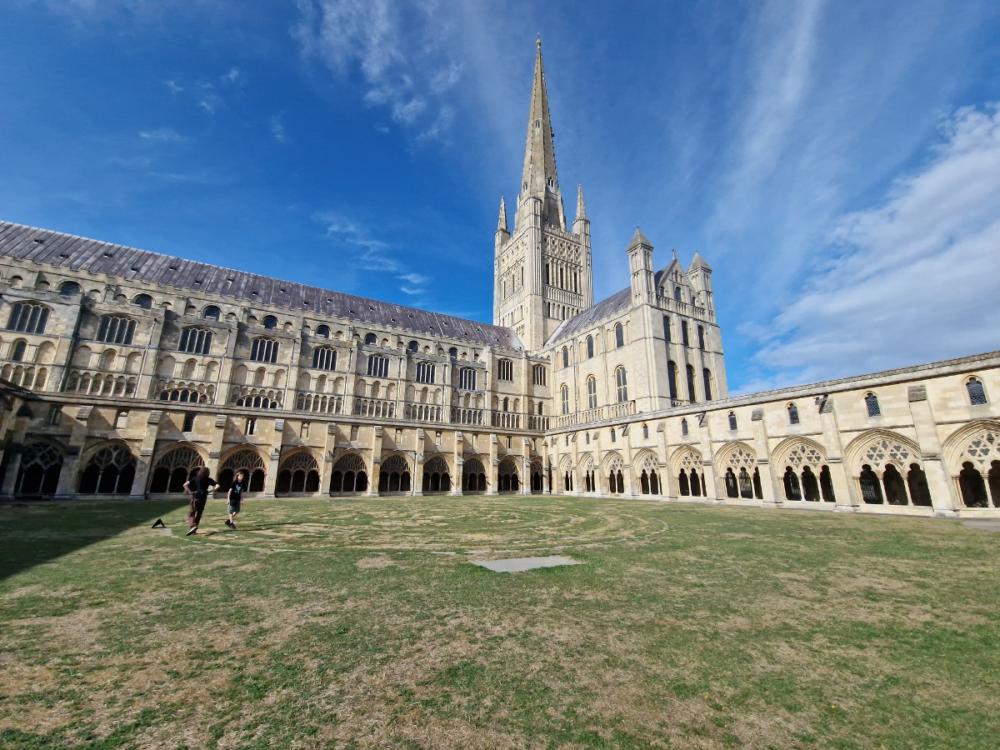
However, nowhere was its history more monumental than Norwich Cathedral. Founded by Herbert de Losinga, the first Bishop of Norwich, in 1096, the great Romanesque building has stood at the heart of the city for more than nine centuries.
.jpg)
Norwich Cathedral
.jpg)
.jpg)
.jpg)
St John the Baptist RC Cathedral
.jpg)
And, almost hidden beside it is one of the city's loveliest surprises, the Plantation Garden.
.jpg)
The inspiration of...
.jpg)
...Henry Trevor
Terraces, woodland paths, Gothic features and an Italianate character turned a former industrial scar into a secluded green retreat.
The Museum of Norwich at the Bridewell completed the historical picture, telling the story of the people, trades and industries that built the city's prosperity. The building itself had previously served, among other things, as Norwich's house of correction before opening as a museum in 1925. Check out its magnificent ‘from another era’ pharmacy!
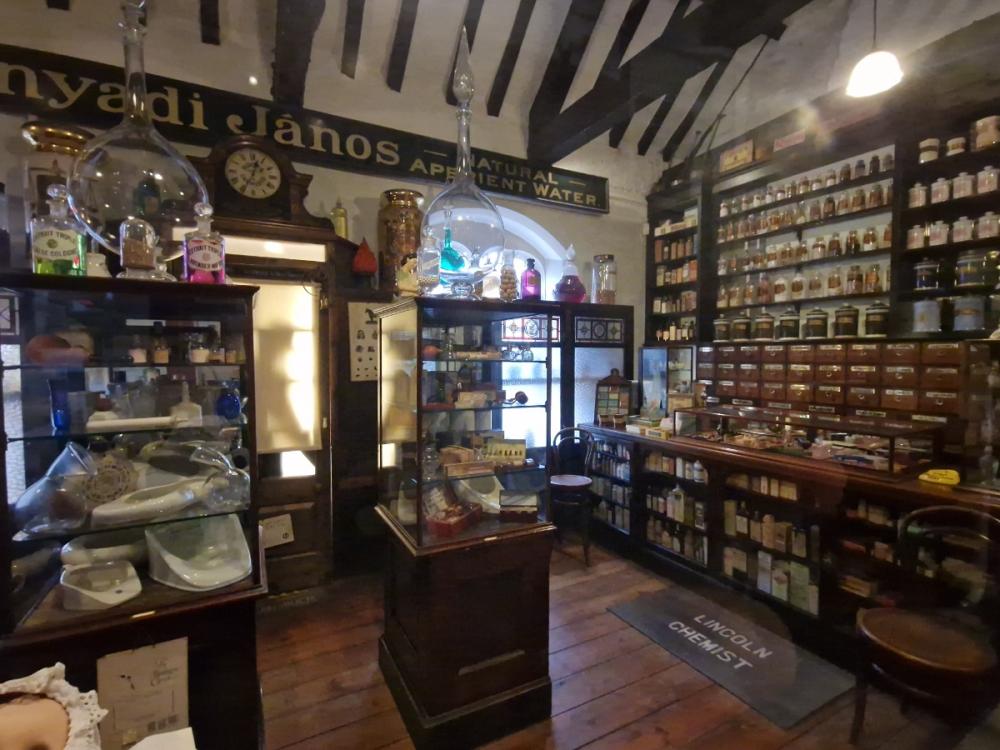
Norwich Museum's ancient pharmacy and its...
.jpg)
...amazing taxidermy exhibits
Day three of our stay brought a change of hotel and an altogether different encounter with Norwich's past.
Checking out of Dunston Hall meant only a short journey to the Maids Head Hotel, opposite Norwich Cathedral. It claims to be Britain's oldest hotel, tracing hospitality on its site to the days of Herbert de Losinga in the 1090s; the oldest surviving parts of today's building date from the 15th century.
The Maids Head also appeared in the 1971 film adaptation of L.P. Hartley's The Go-Between.
.jpg)
Filby Suite luxury
Then there was the Filby Junior Suite.
Tucked into the hotel's eaves, with high vaulted ceilings, exposed beams and interiors inspired by the Bird of Paradise flower, it successfully combined the building's considerable age with contemporary luxury.
Unfortunately, there was barely time to enjoy it!
The afternoon involved driving east to Great Yarmouth and one of Britain's most remarkable surviving entertainment venues, the Hippodrome Circus.
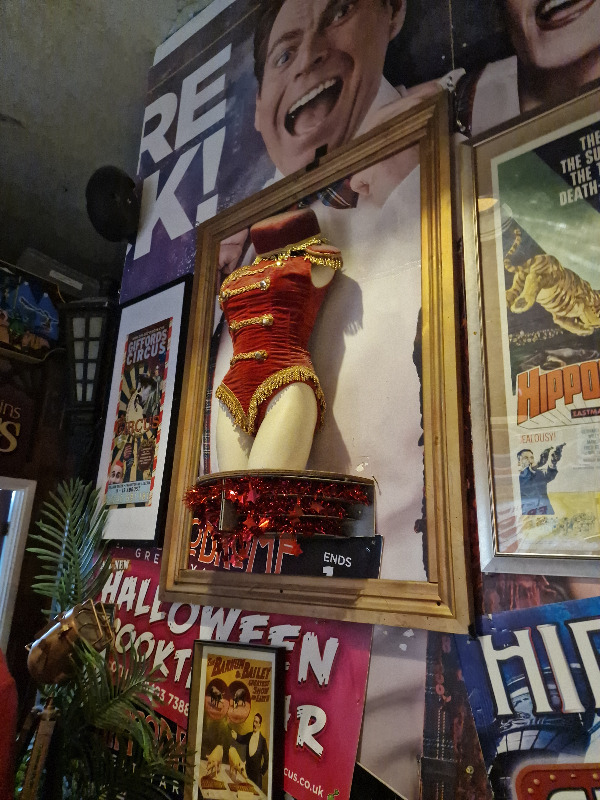
A pre show drink...
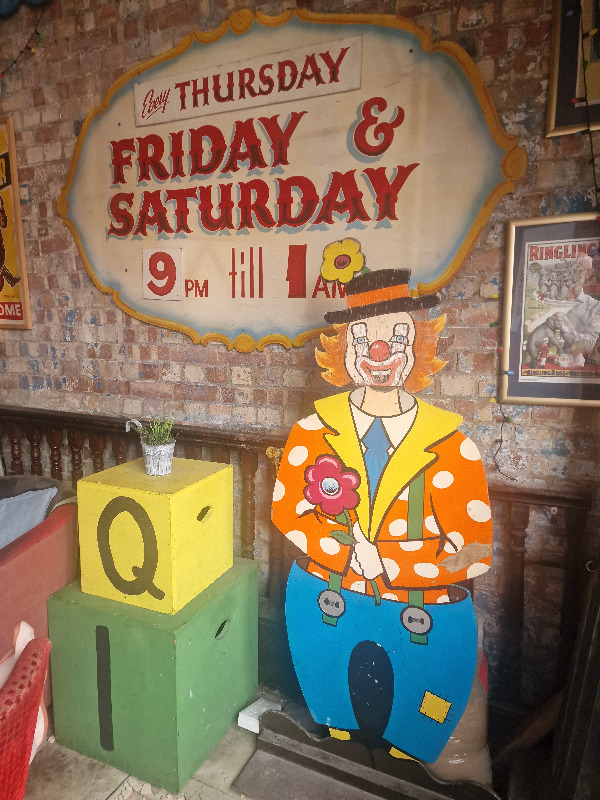
...in the bar at...
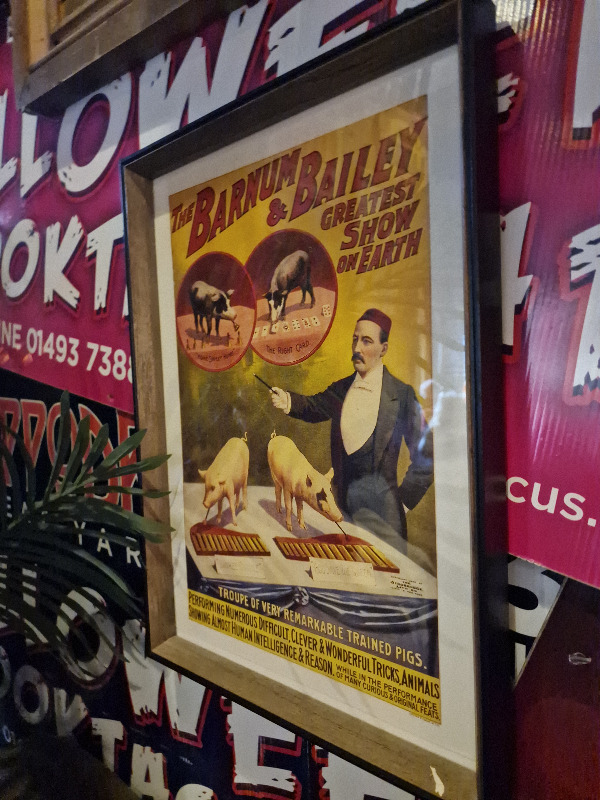
...Great Yarmouth's Hippodrome Circus
The Hippodrome Circus' Water Spectacular. Built 1903
Back in Norwich, and towards the end of our whistlestop tour, we still managed to squeeze in a visit to the amazing Sainsbury Centre art museum, located on the campus of the University of East Anglia.
.jpg)
The 'modern' Sainsbury Centre...
.jpg)
...featuring the ancient
.jpg)
...and the contemporary
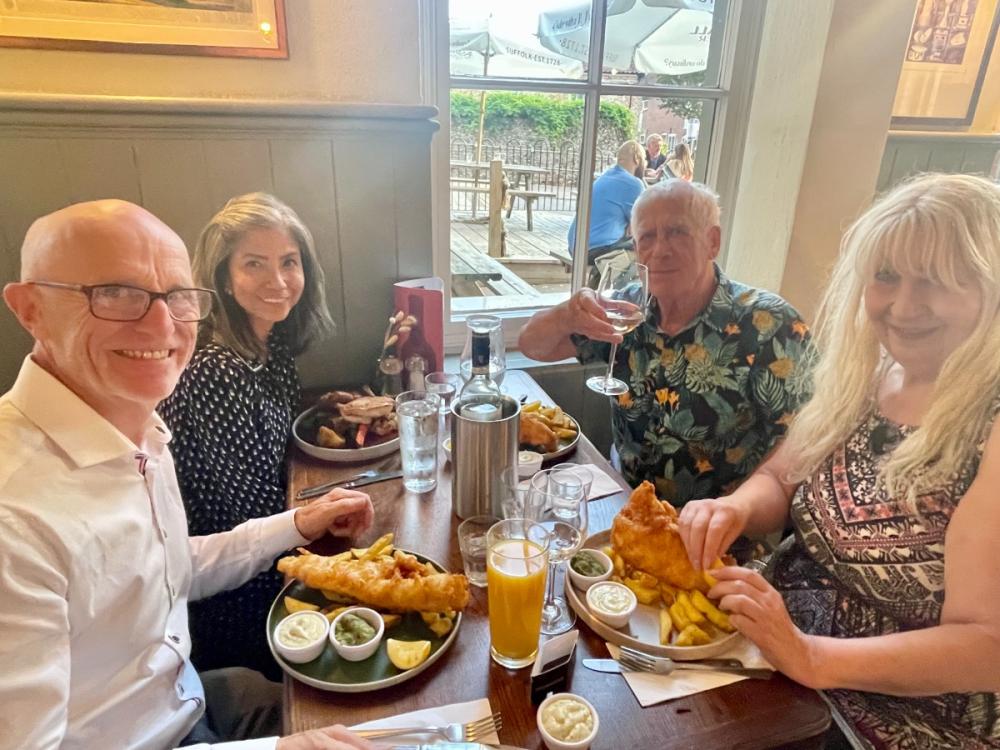
As our third day drew to a close, fish and chips provided an appropriately uncomplicated supper and an opportunity to thank Tony and his beau for their excellent company and confirmation that we had not been disappointed by Norfolk or its capital city.
The Norman keep has recently undergone a major transformation, recreating the original floor levels and spaces of the medieval royal palace. Visitors can explore rooms presented to evoke the surroundings that Henry I might have encountered when staying there in 1121, while the wider museum and art gallery collections tell stories stretching from archaeology and natural history to fine and decorative art.
.jpg)
.jpg)
It was time to turn west for the journey home to Leeds.
Norwich had proved difficult to pigeonhole. It was a cathedral city and university city, a medieval city and modern shopping centre, a place of grand Norman monuments and tiny independent businesses. It was sufficiently compact to explore without feeling rushed yet sufficiently layered to make four days seem surprisingly short.
Perhaps its greatest attraction was that it did not appear overly conscious of its own importance.
And it had plenty to be proud of. As UNESCO’s first City of Literature, it has been billed as the City of Stories – never a truer word spoken – and, without doubt, it is a city of tall tales, tall buildings and mediaeval intrigue. Four days? That was just the hors d’oeuvre! Worthy of any short break getaway.
www.visitnorwich.co.uk
Dunston Hall Hotel, Spa & Golf Resort
www.dunstonhallhotel.co.uk
The Maid’s Head Hotel
www.maidsheadhotel.co.uk
Also by Phil Hopkins...
There Is Nothing Like A Dane!The Wonderful Madness Of A UK Coach HolidayThe Boulevard of Broken Screams!The Price Of Danish HappinessCYPRUS – Still Open For Business!The shortened address for this article is: newspub.uk/220wg