



search
date/time

Thu, 1:00PM
light rain
15.3°C
WSW 15mph
light rain
15.3°C
WSW 15mph
 | Sunrise | 5:47AM |
| Sunset | 6:24PM |  |

Andrew Palmer
Group Editor
P.ublished 11th July 2026
travel
Weekend
Bucket List: Japan — Where the Trains Run on Time, the Sumo Runs Fast and the Wasabi Runs Hot
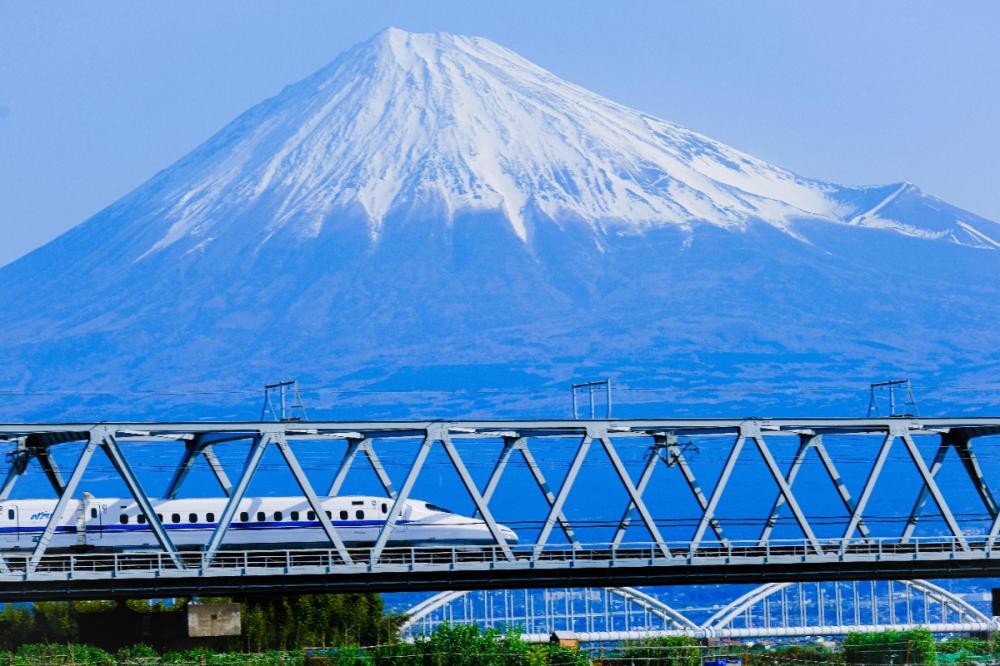
Image by phuong vu from Pixabay
It was not to be.
As it turned out, the closest I have ever come to seismic activity was six miles outside the cathedral city of Ripon. A loud bang, every picture in the house tilting at a rakish angle — Kirkby Malzeard doing its understated best. The earth, it seems, saved its moment for North Yorkshire.
A Party for One
Nobody wanted to come with me. That was the deal, ten years ago, when I turned fifty: friends politely declined, plans fell through, and I went to Japan entirely on my own. This was mildly mortifying at the time—particularly in an era before the selfie had been invented as a respectable substitute for company, which meant most of my photographic evidence consists either of empty landscapes or the backs of strangers' heads. Today, of course, Japan is the destination everyone claims to have always wanted to visit, and I have the smug satisfaction of having got there a decade early. It is, for what it's worth, every bit as wonderful as advertised. The single thing nobody warns you about is that they drive on the left—which ought to be reassuring to a Briton but somehow catches you out anyway, like discovering a friend supports the wrong football team.
My arrival set the tone. I climbed into a taxi whose driver turned out in white gloves and greeted me with the courtly precision of a gentleman's gentleman and then spent the rest of the journey quietly trying to work out why on earth I was travelling alone. He never asked. He didn't need to. The puzzlement was eloquent enough.
Lost in the Underground, Found in the Static
If you want a genuine test of character, try standing in a Japanese station attempting to decode the local equivalent of the London Underground map. I stood before mine for a good fifteen minutes, utterly defeated by a wall of unfamiliar characters arranged with what I can only describe as malicious elegance.
And then—and I am not exaggerating—it happened exactly the way it used to with those 1970s 'Magic Eye' pictures: the ones where you stared at a meaningless tangle of dots until a 3D image swam up out of the chaos. I stood, unfocused my eyes, waited, and the English translations simply emerged from the noise, as if they had been there all along, patiently waiting for me to stop trying so hard. Which, in hindsight, they had.
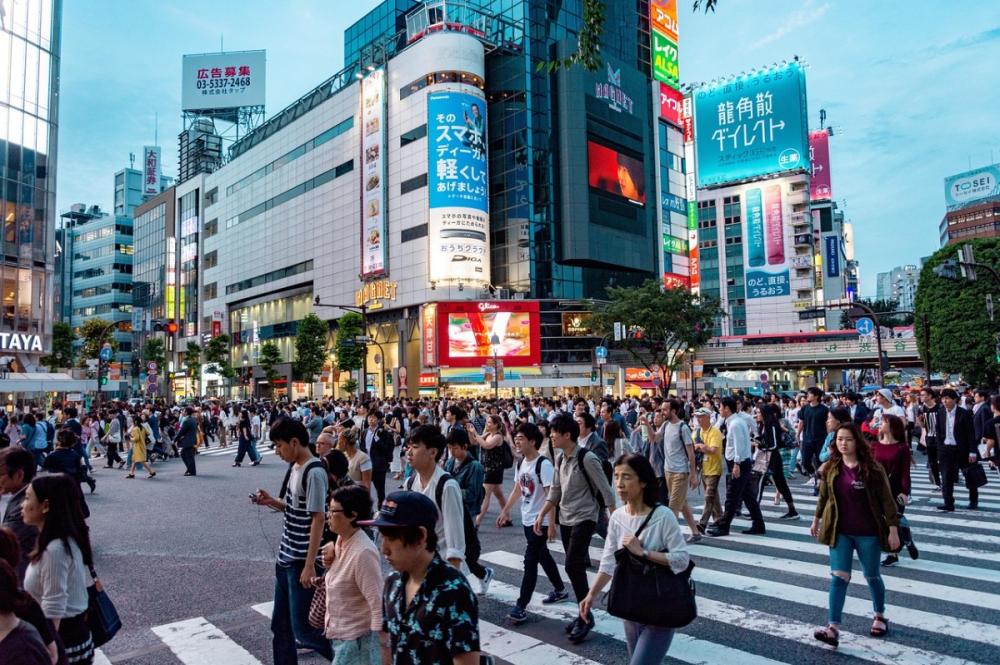
Image by Sofia Terzoni from Pixabay
Akihabara — Electric Town, as everyone calls it — left Times Square looking positively understated. I have stood in Times Square; I was not moved to buy anything. In Akihabara, I purchased my first iPod, an object that now seems as quaintly historic as a gramophone, but at the time, it felt like I was touching the future. The lights there do not so much illuminate the street as interrogate it.
Supersonic Chopsticks
One of the moments I still think about, ten years later, happened on my first night in Kyoto, arriving late and hungry with nowhere obvious to eat. Japan solves this elegantly: every restaurant displays plastic models of its dishes in the window, so you know precisely what you are ordering before you commit. Reassured, I picked what looked like a modest, late-night café and went in.
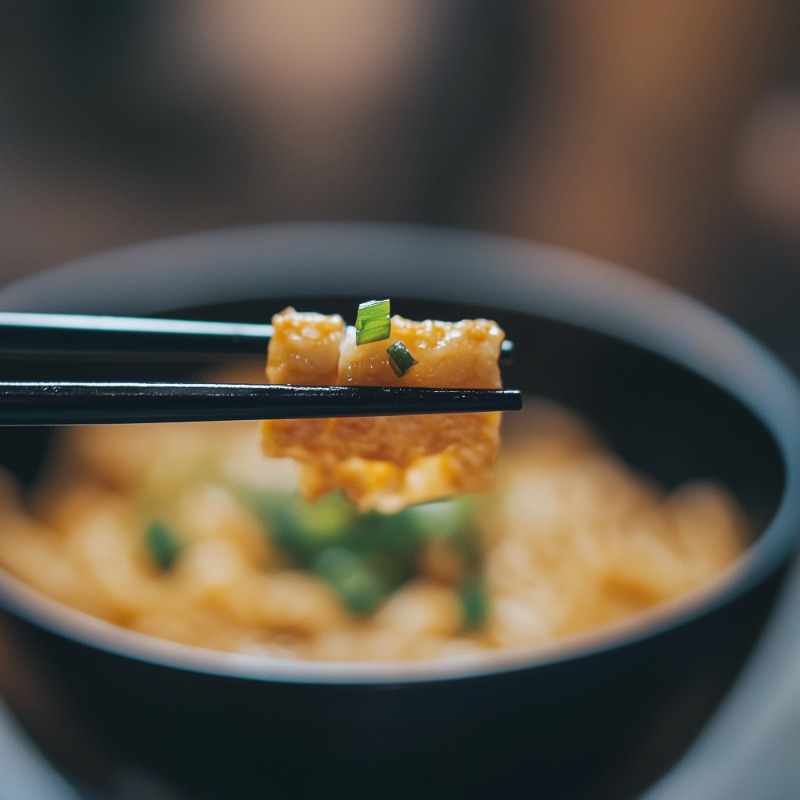
Image by Jocelyn Wong from Pixabay
I did, as it happens. I am perfectly au fait with chopsticks and said as much by simply picking them up and getting on with it. The moment the first mouthful went in, the room exhaled as one, and the frenetic eating resumed exactly where it had left off, as though nothing had happened. Phew, indeed.
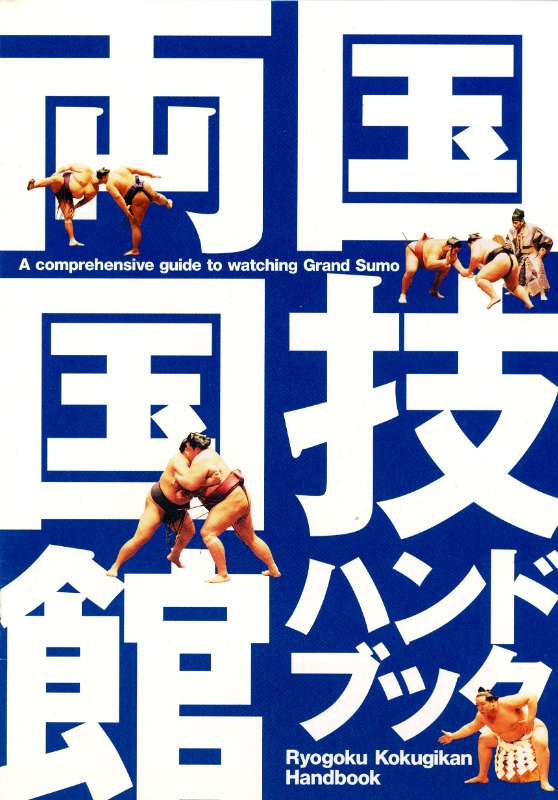
If you have seen You Only Live Twice—and most of us of a certain vintage have, several times, usually on a wet bank holiday—you will already have an image of sumo in your head, even if you didn't know it at the time. Experiencing it in person is a completely different experience. It was, without question, the highlight of the whole trip.
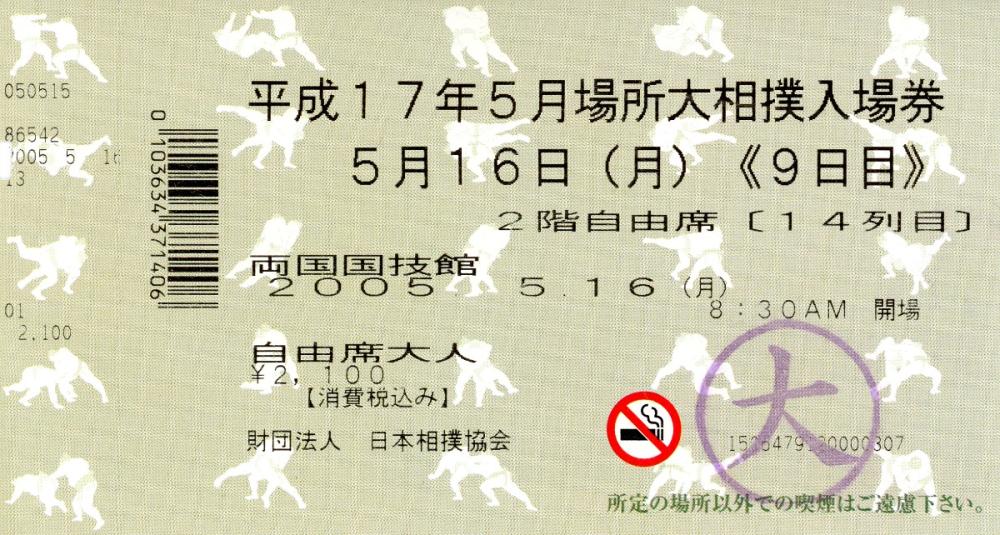
My ticket to the Sumo grand final
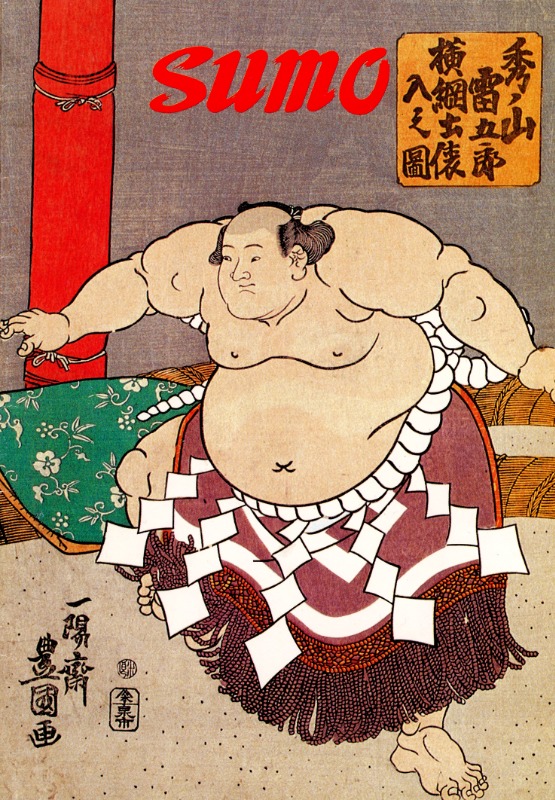
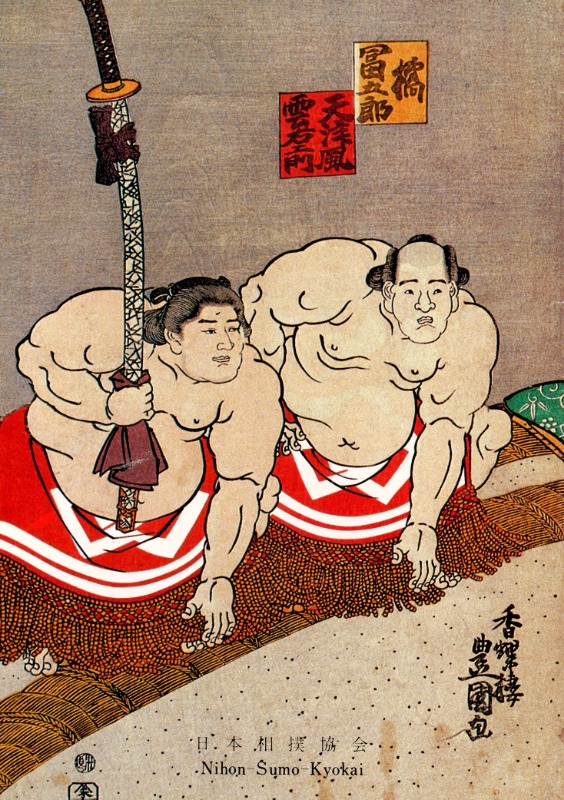
On Time, Facing the Wrong Way
The bullet train deserves its reputation, and then some. It arrives with the quiet, unshowy punctuality the British rail network can only dream of, gliding into the station and departing again with barely a pause for breath.
I will admit to a moment of confusion once aboard. Every other seat in the carriage faced one direction; mine, for reasons known only to whoever had sat there previously, faced the other. It took me an embarrassingly long moment to work out that this was not a design flaw but a feature—a simple manoeuvre flips the whole seat round to face the direction of travel so that you are never stuck staring at where you've been rather than where you're going. Once sorted, the ride itself is precisely as advertised: smooth as glass, the countryside sliding past the window, and Mount Fuji eventually rising in the distance exactly where you hoped it would be.
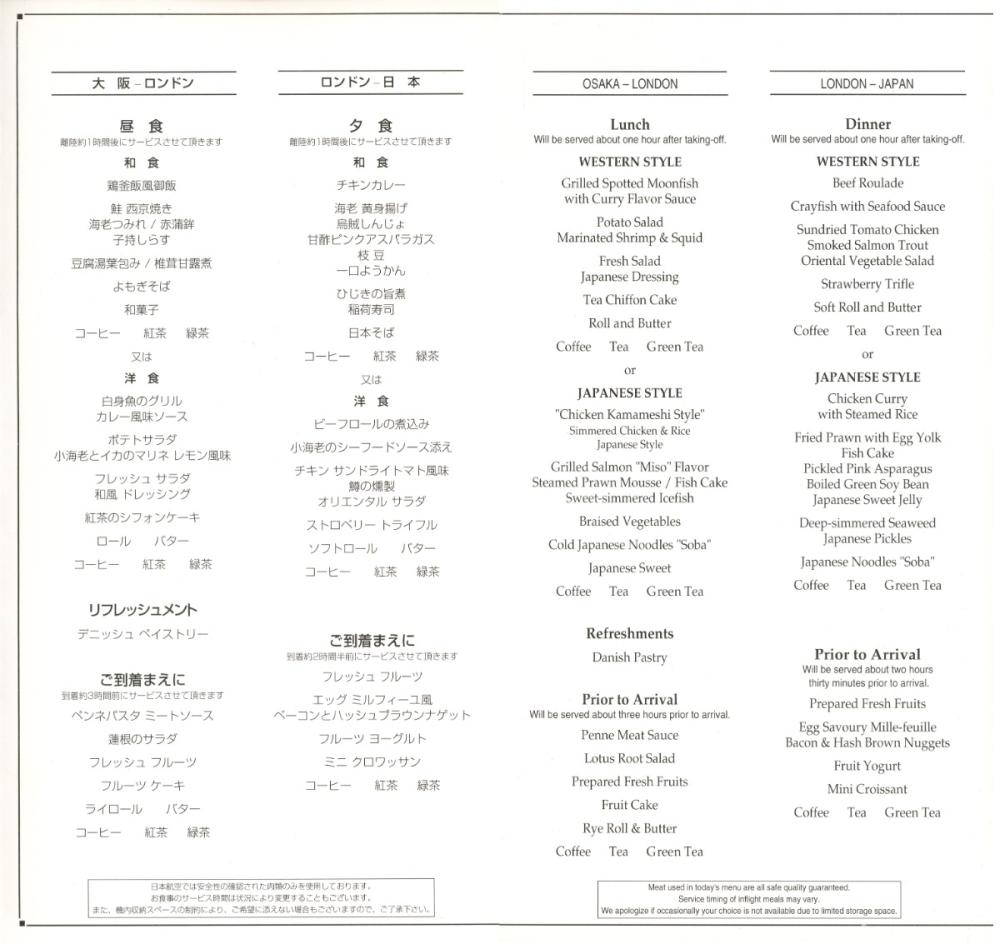
A taste of inflight Japan
Food, this time, was never about fine dining. I wanted the real thing — the everyday, unshowy cooking that actually sustains a country, rather than the version dressed up for visitors. My education began, unexpectedly, somewhere over Siberia: the in-flight meal was my first proper introduction to how restrained Japanese food can be, an entire cuisine built on subtlety, with the notable and fiery exception of the wasabi that arrived, unannounced and unapologetic, alongside the main course. It was a useful early lesson—everything in Japanese food rewards patience and a willingness to taste past the first, most obvious flavour. There is a whole register of tastes in Japanese cooking that simply doesn't announce itself the way European food does; you have to go looking for it, restaurant by restaurant, bowl by bowl.
I went looking for it everywhere—in modest places in Kyoto; station cafés; the kind of restaurant with no pretensions beyond doing one thing well, which turned out to be exactly the right way to find the country's real character. This was 2016, and Japan was not yet the destination on everybody's lips. Ask anyone today where their bucket list begins, and nine times out of ten the answer is the same: Japan.
They are quite right to put it there. Go. It is wonderful.
Also by Andrew Palmer...
Classical Albums: Quartetto Gelato FlightEnescu: String Octet, Piano Quintet ReferenceClassical Music: HeartstringsClassical Music: Notes From The Living RoomClassical Music: Beethoven For Three Series Symphony No. 3 ‘Eroica'The shortened address for this article is: newspub.uk/21zyl
Search Results