



search
date/time

Sat, 12:00PM
light rain
5.8°C
WSW 5mph
light rain
5.8°C
WSW 5mph
 | Sunrise | 7:02AM |
| Sunset | 5:44PM |  |

Andrew Palmer
Group Editor
P.ublished 21st February 2026
arts
Review
Classical Music: Beethoven The Last Three Sonatas
Late Wisdom, Luminous Playing: Dame Imogen Cooper's Crowning Beethoven
Piano Sonatas Opp. 109, 110 & 111; Bartók: Dirge Op. 9a No. 1
Imogen Cooper (piano)
Chandos CHAN 20362
chandos.net
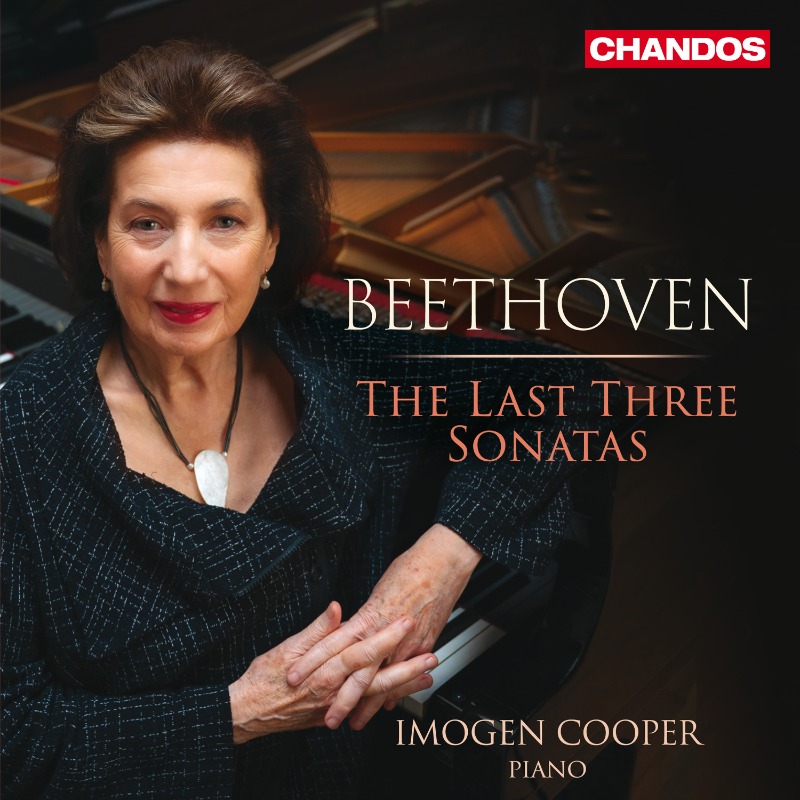
There is much to applaud in this Chandos release. Cooper brings to these sonatas a sophisticated beauty and an emotional intelligence. Op. 109 opens the programme with all the weight its curious history demands — that extraordinary first movement, originally conceived as a self-contained piece for a piano tutor, sits in fascinating tension with the Adagio espressivo, and Cooper manages the interplay of gravitas and vivace urgency with complete assurance. The variations that close the sonata find her technically resplendent, never more so than in the sixth, where shifting articulation and cascading trills lead with inevitability towards the hushed rapture of the Tempo I cantabile.
The clarity throughout is exceptional. In Op. 110 — one suspects, the closest to her heart — Cooper conveys the rhythmic precision and dynamic contrasts with emotion and warmth in equal measure. The music breathes, and she allows it to do so, drawing colour and interpretive nuance from every phrase without a hint of overelaboration.
It is in Op. 111, however, that the performance reaches its zenith. Cooper communicates with a breadth and sensitivity that captures something genuinely transcendent in the work's closing pages — that famous Arietta and its inexorable dissolution into silence. The final trills shimmer with other-worldly serenity; the two sforzandos are beautifully controlled; and that last, quiet chord of C major — no long note value, no fermata, just silence, as Cooper herself observes — arrives with the force of an epiphany.
The recital closes with Bartók's Dirge, Op. 9a No. 1, a thought-provoking coda. Its repetition of melodic fragments above a gradually descending series of triads, contained within a dynamic arc from pianissimo to fortissimo and back, speaks directly to the dirge tradition; the hands part until a closing B major harmony spanning five octaves. As Nicholas Marston notes: We end a semitone below Beethoven's final tonic — a broken song rather than well-formed, arioso dolente rather than arietta — and the effect is haunting.
Recorded on a Steinway Model D Concert Grand at the Concert Hall, Snape Maltings, the sound is superbly captured. A distinguished release, and a profound one.