search
date/time
 | Cumbria Times Weekend Edition |

Andrew Palmer
Group Editor
P.ublished 17th January 2026
arts
Review
Classical Music: Colours of Bach
Eldbjørg Hemsing: Bach Recomposed
Bach partita variation (After Violin Partita No. 3 in E Major, BWV 1006: I. Preludio); Ertönt uns durch dein güte variation (After Jesus nahm zu sich die Zwölfe, BWV 22, No. 5: Ertönt uns durch dein Güte); Ave maria variation (After The Well-Tempered Clavier I: Prelude and Fugue No. 1 in C Major, BWV 846: I. Prelude); Minuet in G major variation (After Notebook for Anna Magdalena Bach, BWV Anh.116, No. 7: Menuet in G Major); Concerto in a minor variation (After Violin Concerto No. 1 in A Minor, BWV 1041: II. Andante); Melancholy variation (After Concerto for Violin & Oboe in C Minor, BWV 1060R: III. Allegro); Herz und mund und tat und leben variation (After Herz und Mund und Tat und Leben, BWV 147: VI. Wohl mir, daß ich Jesum habe); Air variation
(After Orchestral Suite No. 3, BWV 1068: II. Air); Bach Brandenburg concerto revisited(After Brandenburg Concerto No.1 in F Major, BWV 1046: I. Allegro); Ich steh an deiner krippen hier, BWV 469; Aria goldberg variation (After Goldberg Variations, BWV 988: Aria); Prelude in c major variation (After Prelude and Fugue in C Major, BWV 553: I. Prelude); Es ist gewisslich an der zeit variation (After Nun freut euch, lieben Christen gmein, BWV 734); Invention in F major variation (After Invention in F Major, BWV 779); Organ Sonata Variation (After Organ Sonata No. 4 in E Minor, BWV 528: II. Andante):Befiehl Du Deine Wege Variation (After Matthäuspassion, BWV 244, No. 53: Befiehl du deine Wege); Erbarme Dich, Mein Gott Variation (After Matthäuspassion, BWV 244, No. 47: Erbarme dich, mein Gott); Ich Ruf Zu Dir, Herr Jesu Christ Variation (After Ich ruf zu dir, Herr Jesu Christ, BWV 639); Concerto In D Minor Variation (After Concerto in D Minor, BWV 974: III. Presto); Violin Concerto No. 2 In E Major, BWV 1042; Choral Aria Variation (After Widerstehe doch der Sünde, BWV 54: I. Aria).
Eldbjørg Hemsing, violin
Elise Båtnes, 1st violin Liv Hilde Klokk-Bryhn and Maria Angelika Carlsen, 2nd violins Ida Klokk-Bryhn, viola Louisa Tuck, cello Kenneth Ryland, bass Tim Allhoff, piano Christian Kjos, harpsichord Martynas Levickis, accordion arrangements by Jan-Peter Klöpfel, Tim Allhoff, Jarkko Riihimäki
Sony Classical 19658899582
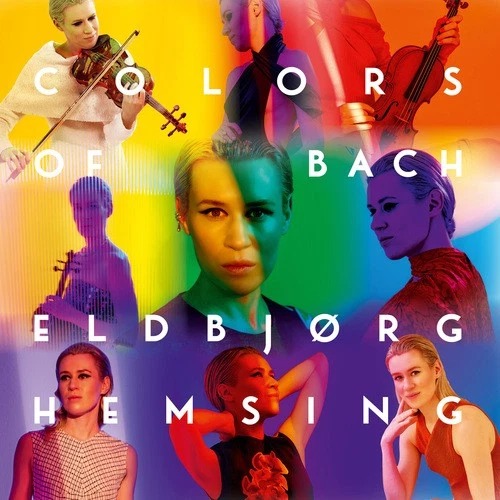
Hemsing's approach is unapologetically populist—this is Bach's greatest hits in miniature—yet there's nothing superficial about the enterprise. In her booklet notes, she writes that "Bach's genius is boundless. His music feels alive—ever-changing, ever-revealing—offering endless ways to experience its beauty and emotional depth." That conviction animates every bar, as she dazzles with technique whilst drawing a refulgent glow from each reimagined work.
The results have a distinctly cinematic quality, with some arrangements conjuring unexpected stylistic echoes. The Ave Maria Variation captivates through its insistent repetition, whilst the Concerto in A minor Variation ingeniously employs the flowing motion of the C major Prelude to accompany the original theme before yielding to improvisatory flourishes—excellent use of the ensemble's resources. Anyone who cut their pianistic teeth on Bach's Minuet in G will relish that particular variation.
Jan-Peter Klöpfel's Melancholy Variation lives up to its title by setting the third movement of the Concerto for Violin and Oboe in C minor, BWV 1060R, for violin, accordion, string quintet, and piano. The simplicity is expressed with considerable beauty. Jesu, Joy of Man's Desiring proves clever and mesmerising, though perhaps the greatest surprise comes with the treatment of the Air on the G String. As an organist, I particularly appreciated the handling of the Prelude in C major—its rhythmic energy shares with many of these pieces a lovely, propulsive pulse.
The Violin Concerto No. 2 in E major, BWV 1042, stands as the album's sole unarranged work—a touchstone of authenticity amongst the transcriptions. Its presence here is deliberate: a reminder that Bach himself was an inveterate borrower and remaker, absorbing Vivaldi's Italian Concerto style and refashioning it with characteristic contrapuntal rigour and expressive subtlety. Heard in its original form, the concerto bridges Bach's own creative practice with the album's transformative spirit.
The St Matthew Passion elements are sublime—Bach presented in sound-bites, certainly, yet each one makes its impression. The booklet is handsomely produced, with Hemsing offering thoughtful commentary on her approach to each work, interspersed with idiosyncratic photographs. Recording quality is excellent throughout.
Whether this music induces synaesthesia I cannot say, though there's something about these pieces that catches the light differently—perhaps like winter weather revealing colours obscured in other seasons. Each listening brings something new; the album rewards return visits at different times of day and in varying moods.
This is boundary-crossing Bach that works on its own terms. Give it a go.